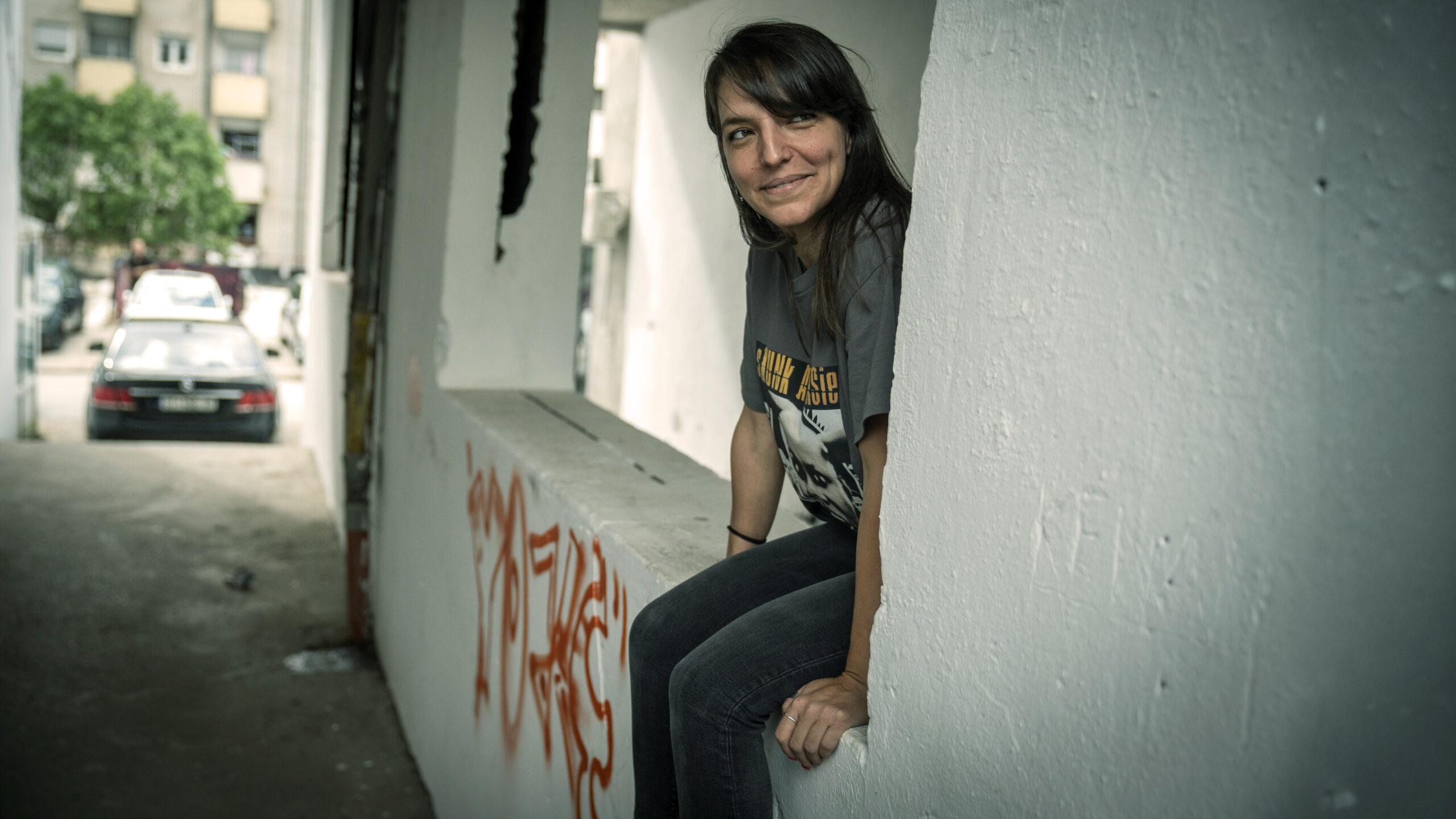
An adolescence interrupted in Blerta Basholli's "Dua"
Basholli returns to the Prishtina neighborhood where she grew up and revisits the war through the eyes of a 13-year-old girl, keeping its violence at the edges of the frame.
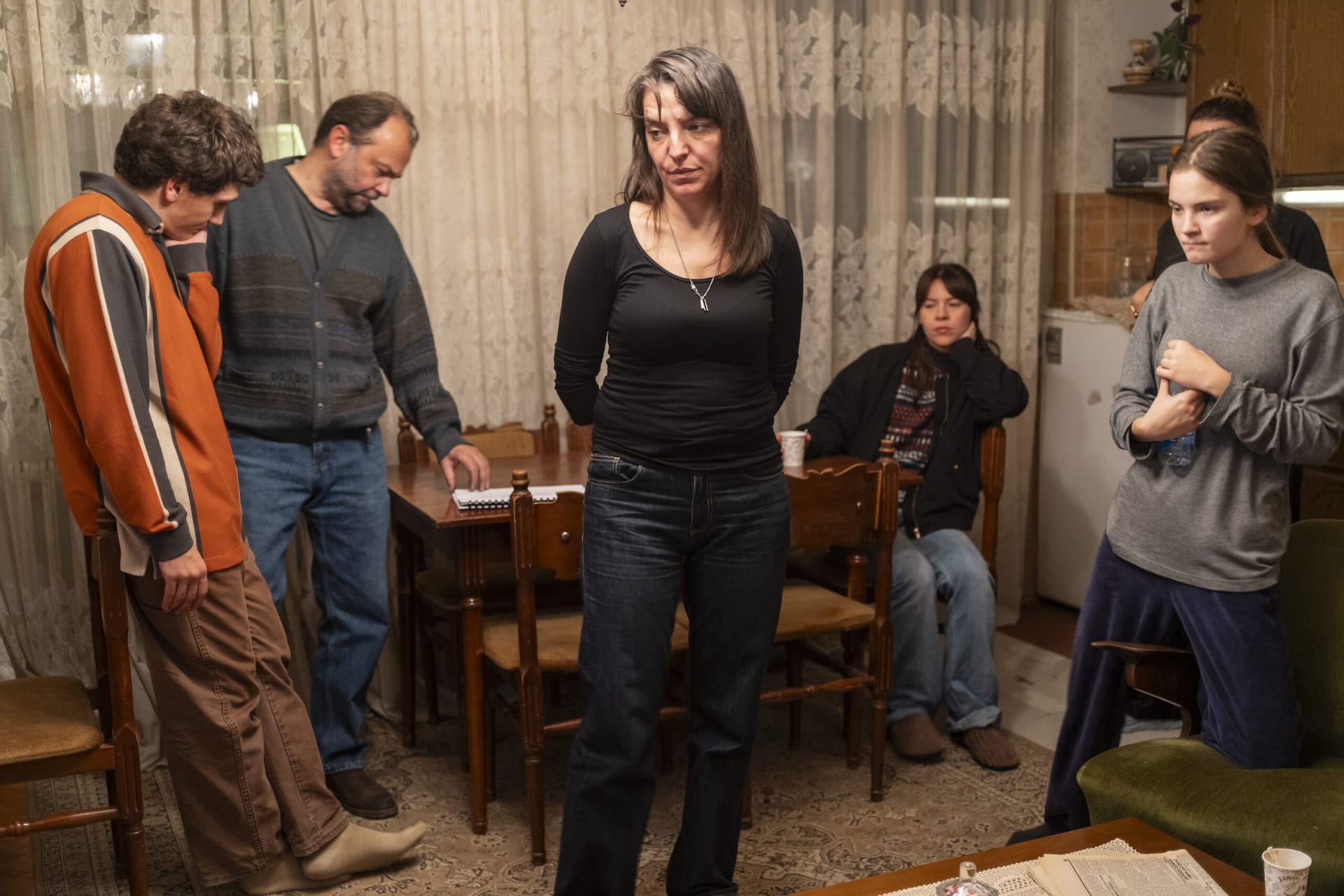
Basholli and the cast in the set of the living room. Photo: Ferdi Limani
"Dua" reaches back into the war itself.
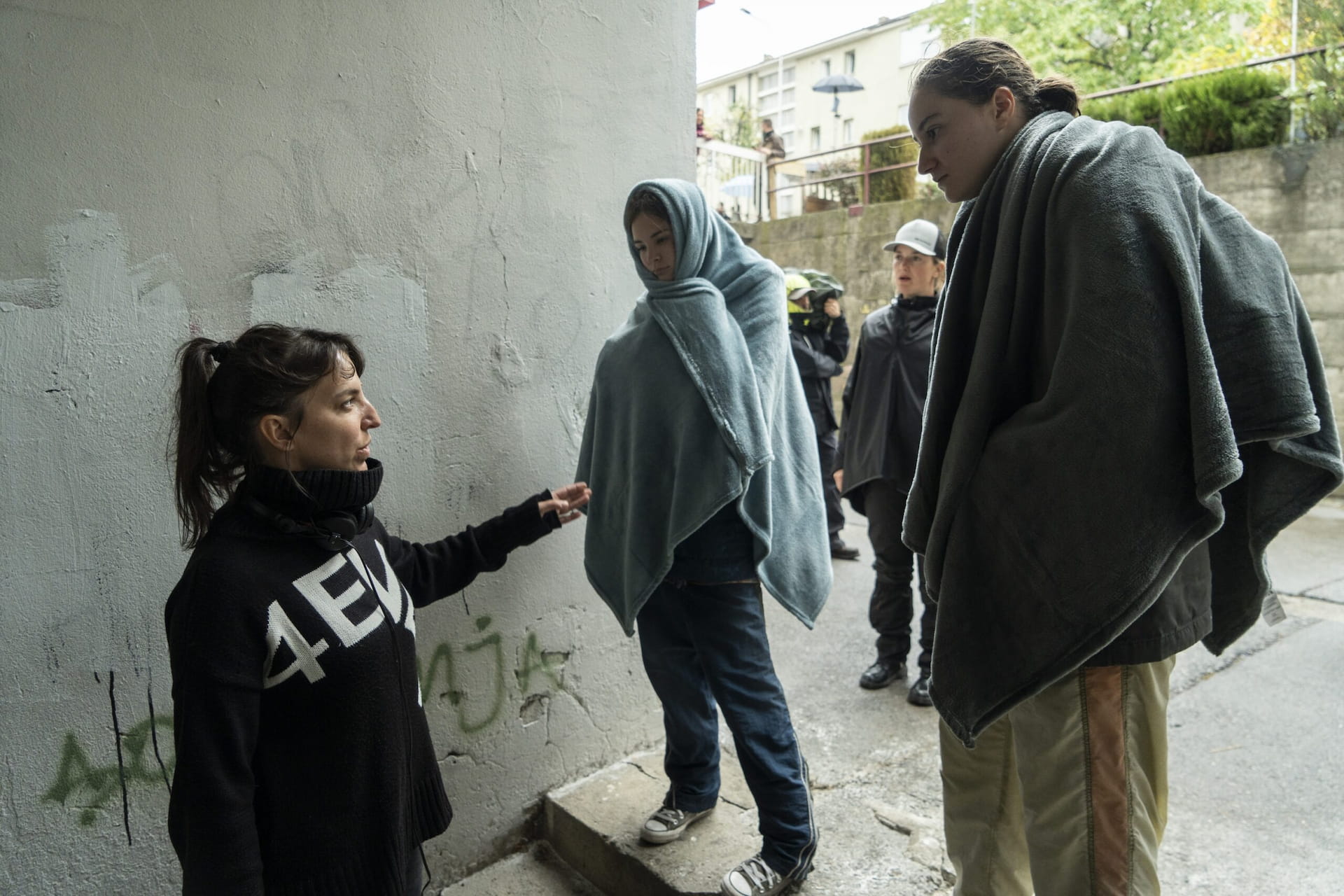
Blerta Basholli, while giving instructions to Pinea Matoshii and Vlera Bilalli during filming in Ulpiana. Photo: Ferdi Limani
Read also:
One-on-one
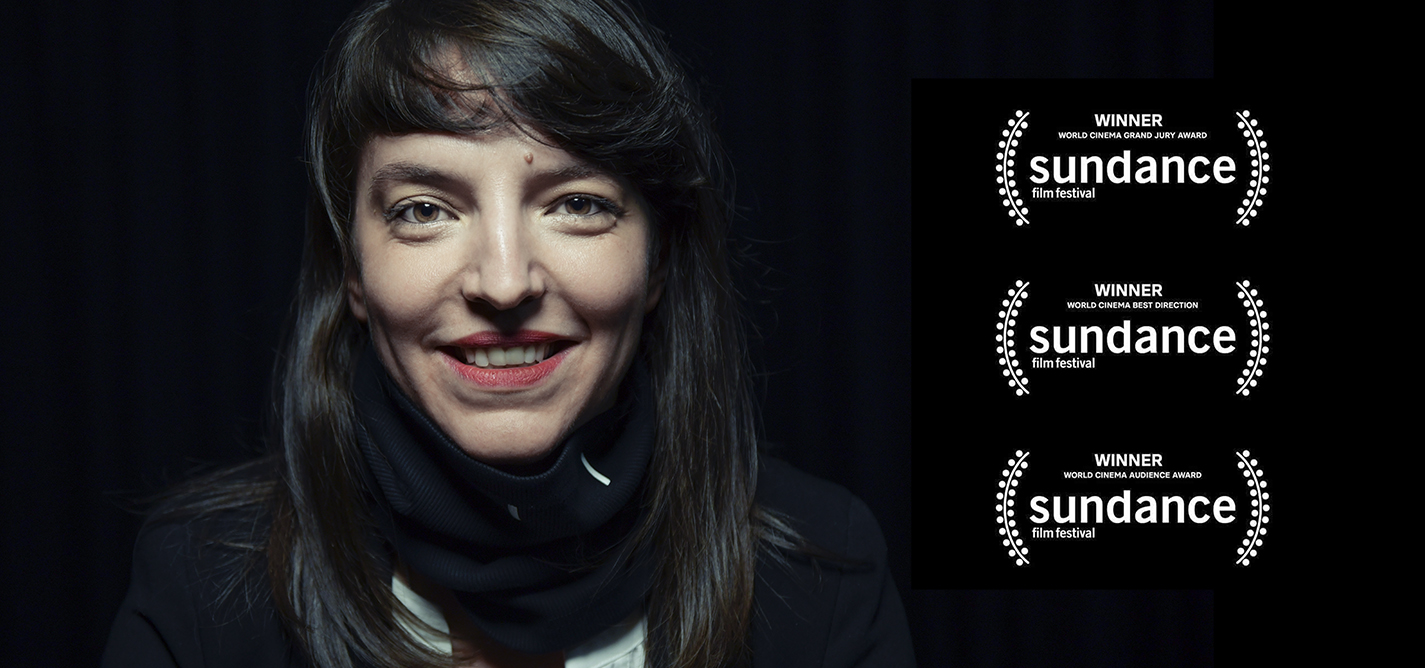
Blerta Basholli: I do not know what interested me more, her story or Fahrije herself
Dafina Halili“Dua” had been in Basholli’s head long before she made “Hive.” For years, she said, she carried it less as a plot than as a feeling, something she knew she would eventually have to make but kept setting aside.
In the meantime, she first adapted another woman’s story. In 2011, after four years in New York, where she had earned a graduate degree in film at N.Y.U., Basholli came home to Kosovo and went to Krusha e Madhe, a village in southwestern Kosovo where, on March 25, 1999, Serbian forces separated the men and older boys from the women and led them away. Two hundred and forty-one people were killed or went missing that day, and around 60 of the bodies were never found, including that of Fahrije Hoti’s husband.
Hoti spent hours telling Basholli how she had lived since: how she had learned to drive, becoming the first woman in the village to do so, and how she was mocked for it; how she had gone door to door looking for work, and been turned away; and eventually how she gathered other widows in her village to make ajvar and sell it. That became “Hive,” with Yllka Gashi as Hoti, a performance that won awards at several international festivals. This was the story that Basholli told first, while the girl from Ulpiana waited for her turn.
She waited for the making of “Hive” and everything that followed its premiere, and only once that film was out into the world did Basholli sit down with her producers, particularly Valon Bajgora, to tell them about the story she wanted to do next. There was no script yet, not even a page, so she simply explained, describing in a few minutes a film that, at that stage, existed only in her memories. She wanted to make something based on her own life, she told them, about being a teenager in 1998 and 1999, and about how she and her friends had tried to hold on to some kind of normal life in a situation that was anything but normal. She told them how badly they had wanted to have parties, and how the police seemed to be waiting for them at every turn, beating people in the street and entering cafés to force everyone out.
“Valon is my generation, and he understood right away what I wanted to touch on, even though he didn’t know where the characters were going to go,” she said. “He trusted the story. I told him it wouldn’t be a film about the war in the primary sense of the word. It would be seen through the eyes of teenagers, with the war as a constant backdrop.”
Once she began writing, Basholli had to return to those years and ask herself what she actually remembered. She went to people her own age with one question: had they really thrown parties during the day? They had, and one friend told her that the parties had been a way of escaping reality.
“It was a way of discussing these things again, for myself and for the audience, in the sense of what we went through, and what that period meant for us,” she said.
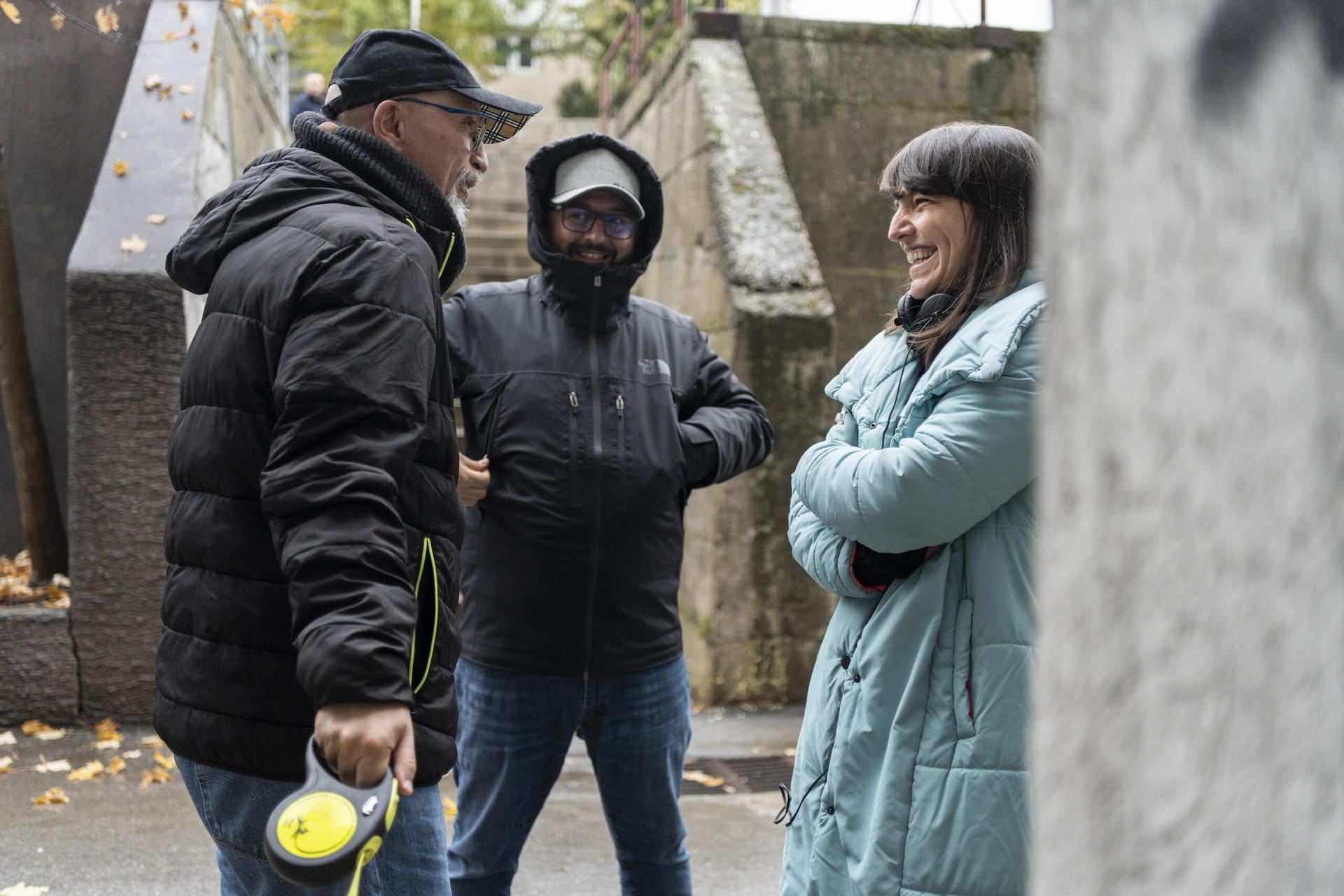
Blerta Basholli and Valon Bajgora randomly meet theater director Fatos Berisha during the filming of the scenes in Ulpiana. Photo: Ferdi Limani
In a place like that, the more invisible a girl could make herself, the better, and the more she still looked like a child, the better.
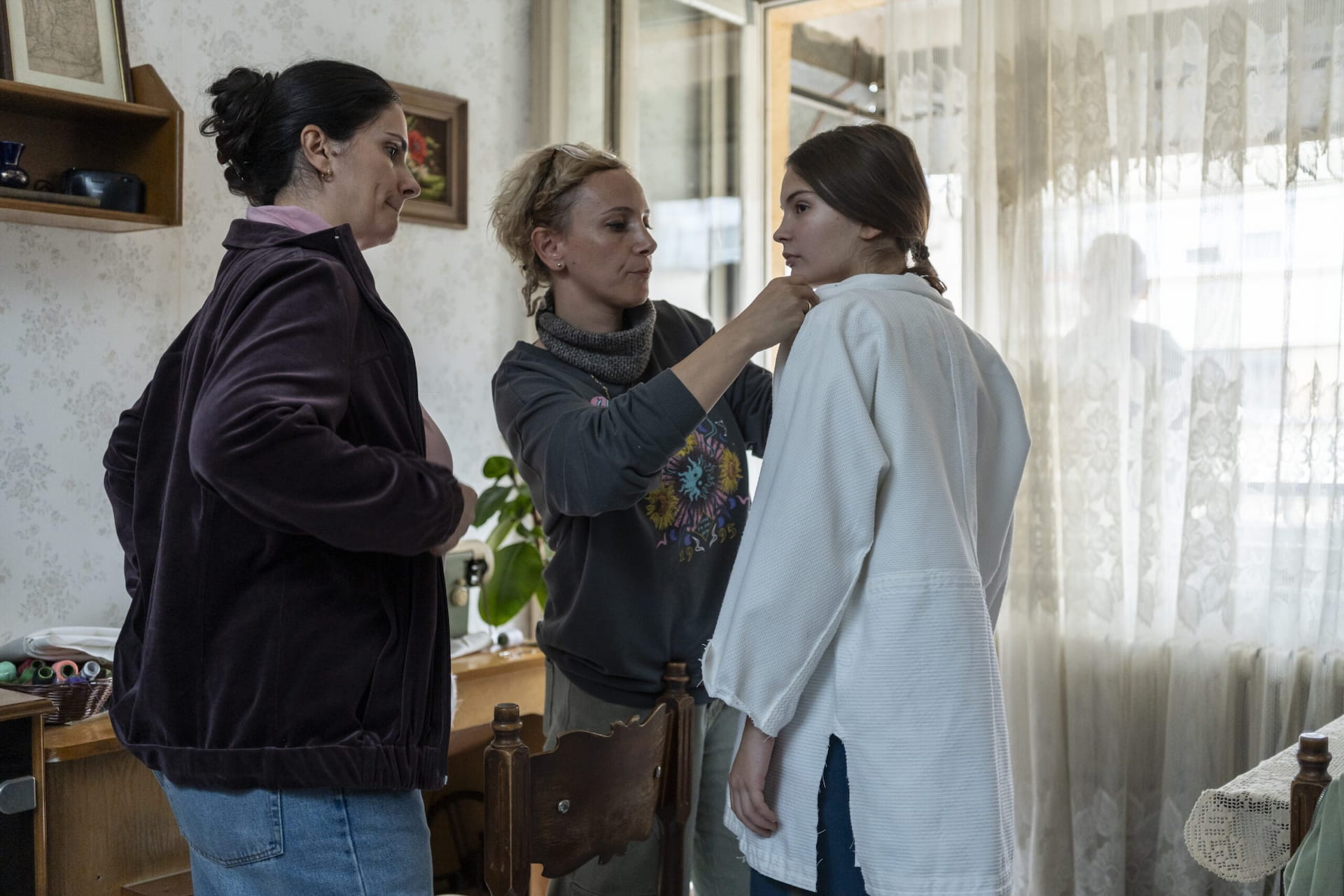
Costumes director Leonora Mehmeti-Hoxha does the last check-ups before the filming of an intimate scene with Yllka Gashi and Pinea Matoshi. Photo: Ferdi Limani
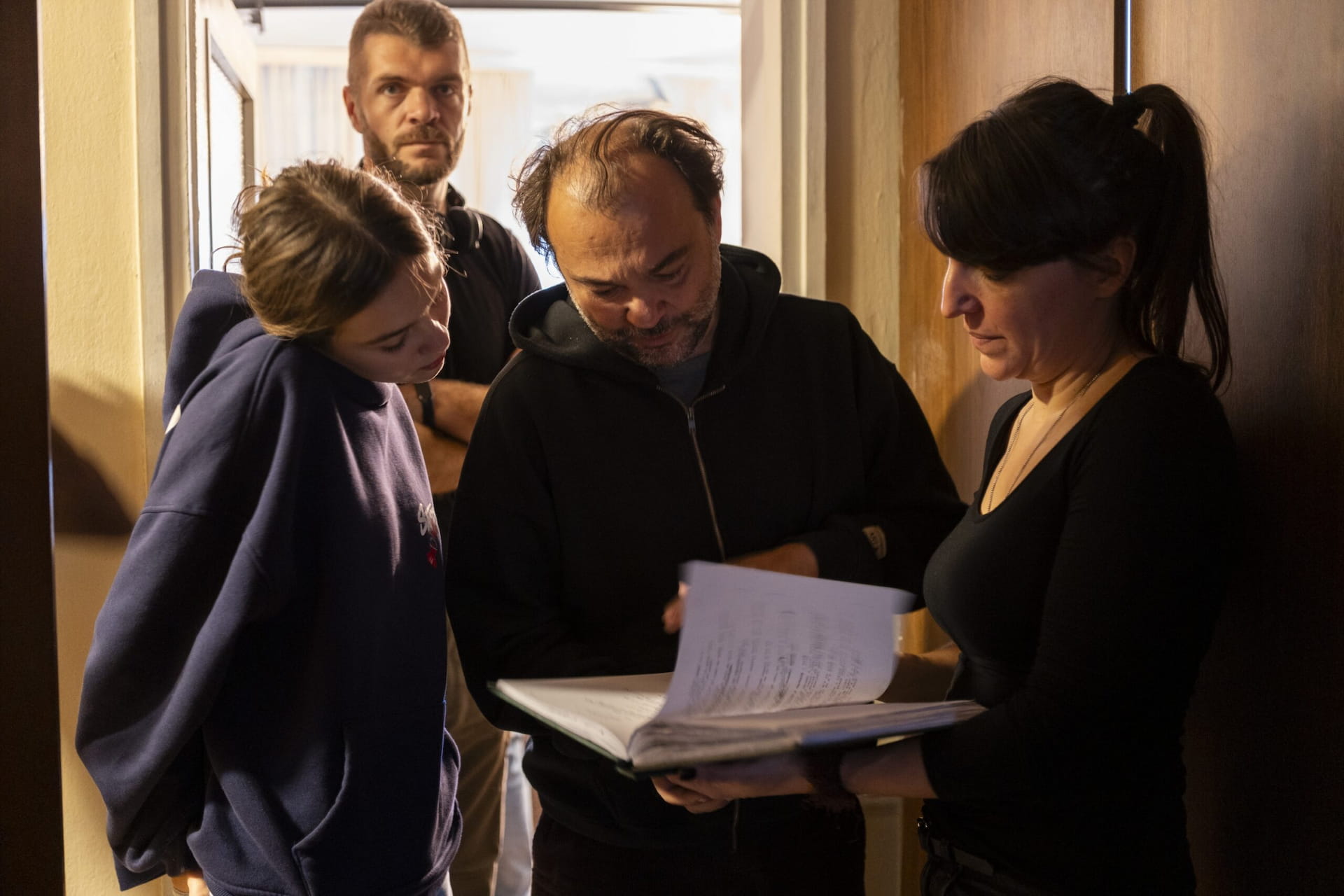
Blerta Basholli going through the script with Kushtrim Hoxha and Pinea Matoshi. Photo: Ferdi Limani
When the violence comes close, the camera still sticks to Dua’s face.
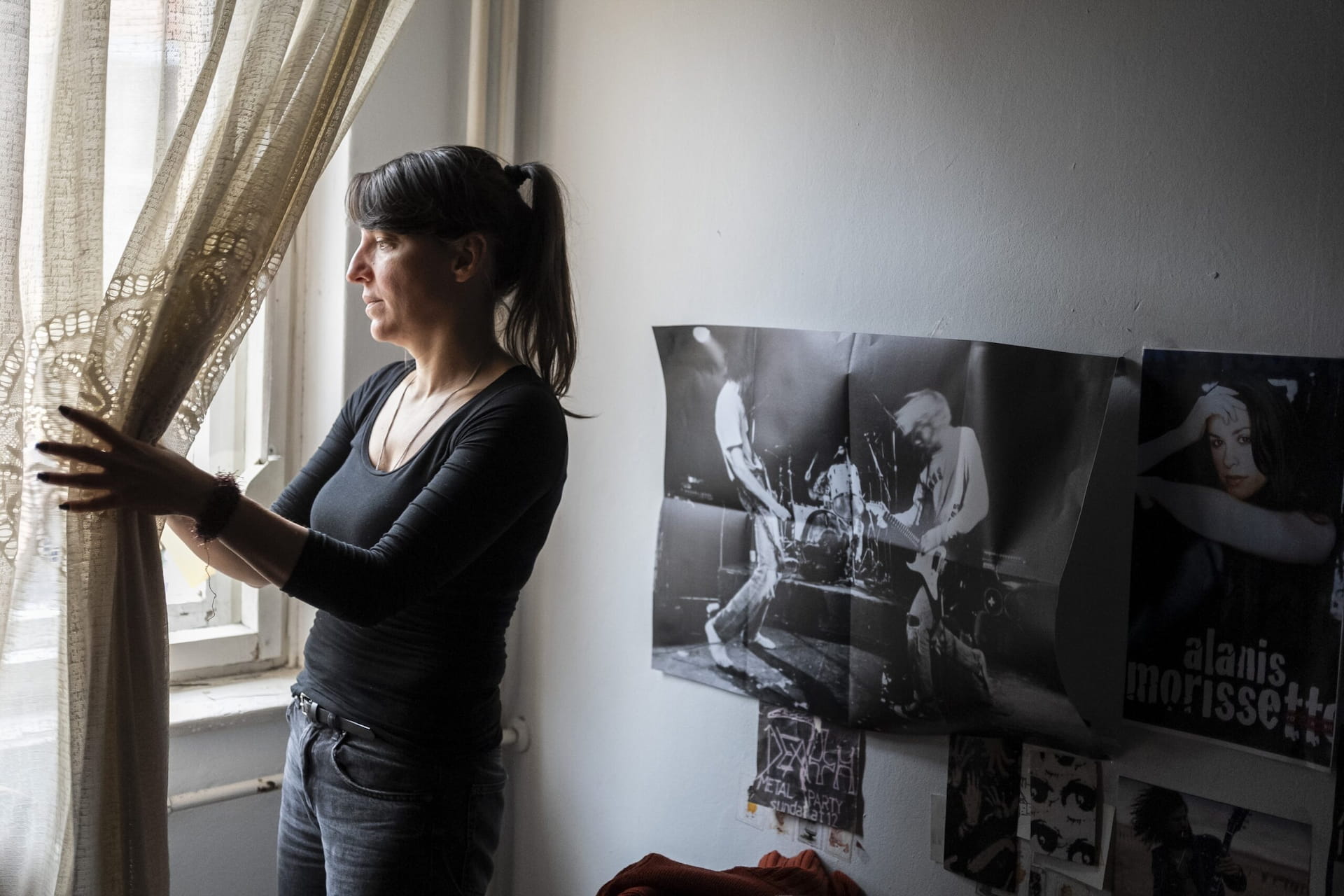
Blerta Basholli in the set of the girls' room scene. Photo: Ferdi Limani
For all the madness in Prishtina, there is worse.
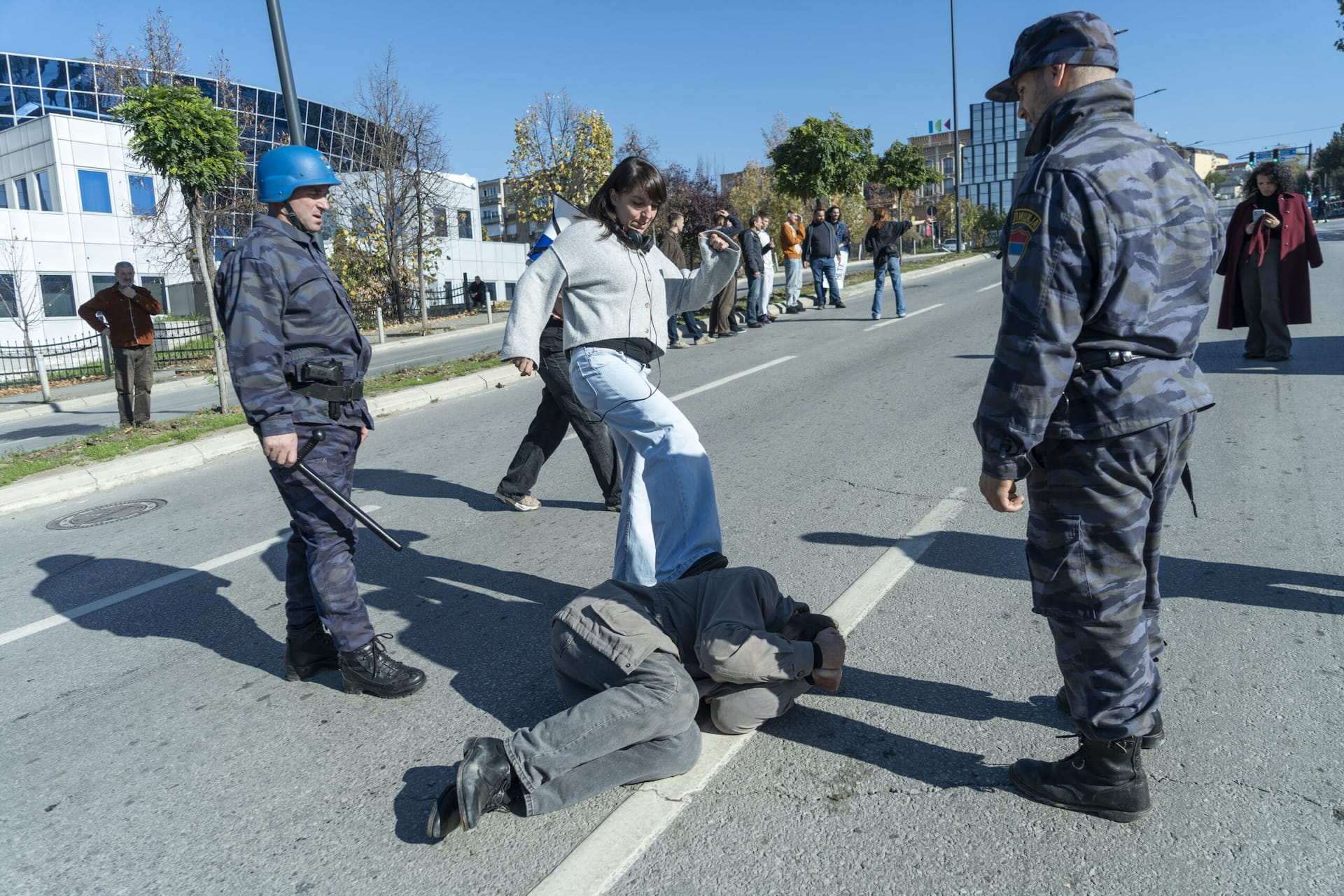
Blerta Basholli giving instructions before the filming of the protest scene where hundreds of extras took part. Photo: Ferdi Limani
The worst of the war, the atrocities they have so far only heard about, are on their way to them.
Dafina Halili
Dafina Halili is a senior journalist at K2.0, covering mainly human rights and social justice issues. Dafina has a master’s degree in diversity and the media from the University of Westminster in London, U.K..
This story was originally written in English.