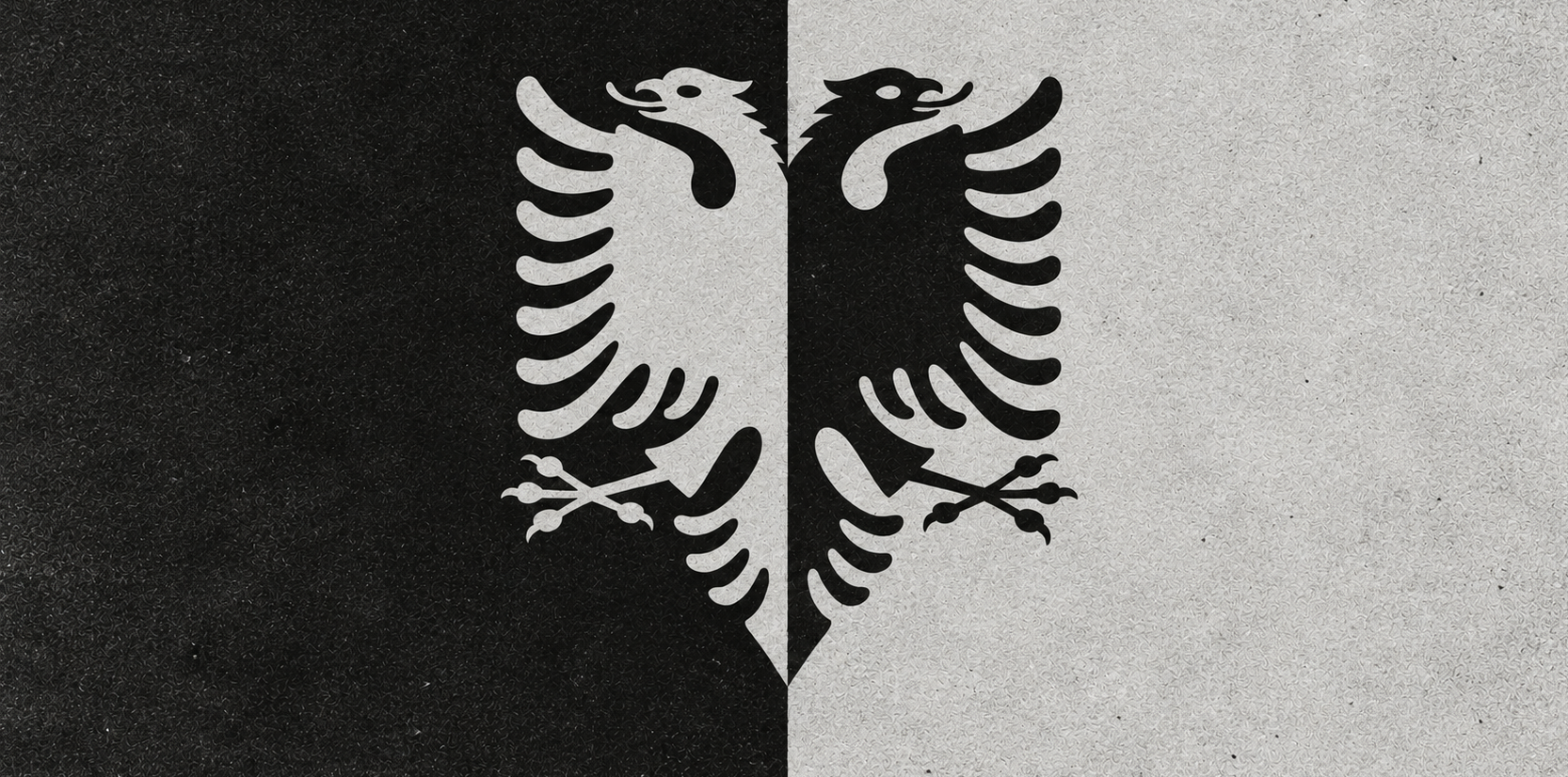
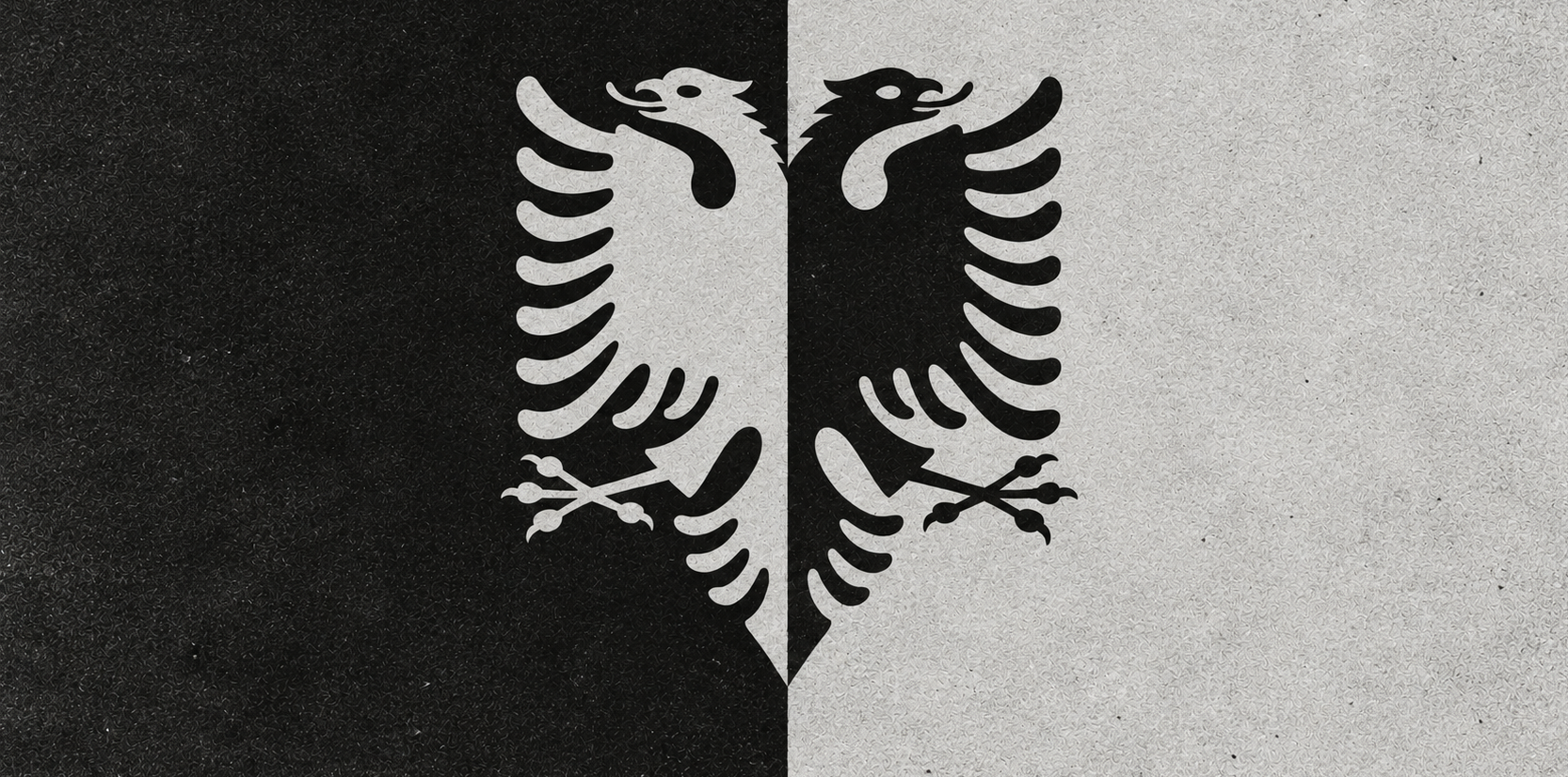
Are you a Good or Bad Albanian?
How historical oppression and enduring prejudices continue to define the boundaries of acceptable Albanian identity.
Albanian identity was largely constructed through a racializing gaze, placing Albanian communities in consistent opposition to the ideas of Yugoslav modernity.
Yugoslavia’s moralizing framing of Albanians is reflexive, producing shifting boundaries around what constitutes a “good” or “bad” Albanian as definitions of acceptability and political context changed.
This disparity raises questions about how certain expressions become moralized and politicized, while overtly political statements linked to profound violence escape scrutiny and consequences.
Being framed as either “good” or “bad” for advocating for self-determination reproduces an uneven dynamic rooted in longstanding inequalities.

Arbër Qerka-Gashi
Arbër Qerka-Gashi is a London-based writer, curator and researcher. He holds a BA in History from Goldsmiths, University of London, and a master’s in Gender, Sexuality, and Culture from Birkbeck, University of London. He writes on themes related to the Balkans, Albanian identity, diaspora experiences and Kosovo’s cultural expression.
DISCLAIMERThe views of the writer do not necessarily reflect the views of Kosovo 2.0.
This story was originally written in English.