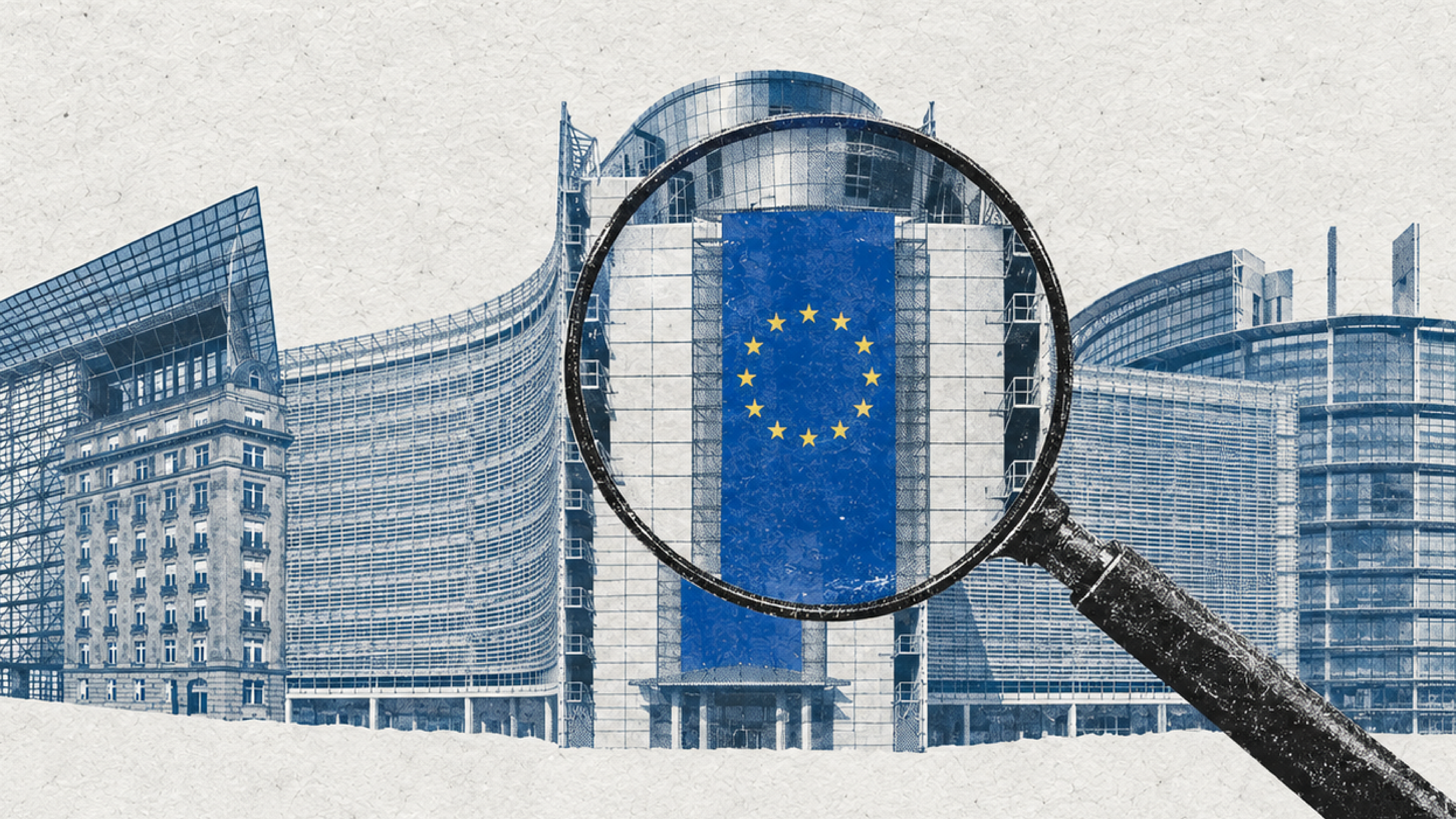
Brussels demands that Kosovo honor its commitments. But who holds the EU accountable?
As the EU challenges Kosovo's amendments to the Specialist Chambers law, questions persist about Brussels' own commitments, its continued reliance on EULEX and the limits of Kosovo's sovereignty.
Read also:

Perspectives
Clint Williamson’s revisionism obscures how much the case of Specialist Chambers has changed
Muhamet BrajshoriThe EU cannot simply declare that an obligation exists and expect the discussion to end there. Its authority does not place it beyond scrutiny.
A court can legally belong to Kosovo while receiving external assistance. But when Brussels insists that Kosovo must respect the existing arrangements, it owes Kosovo's citizens an explanation of why its own institutional practices appear so different from the political assurances originally given.
Judicial independence should protect courts from improper political interference. It should not protect institutions from criticism or make their performance immune to examination.
This is not an argument for placing judges under political control. It is an argument against placing the entire institutional arrangement beyond democratic scrutiny.
This dispute cannot be reduced to a disagreement over legislative amendments.
Muhamet Brajshori
Muhamet Brajshori is a scholar and university lecturer in Kosovo and abroad. He has extensive experience in diplomacy and international affairs. He previously served as Kosovo’s Deputy Minister of Foreign Affairs and as Ambassador to Thailand, alongside holding several senior positions within Kosovo’s Ministry of Foreign Affairs over a period of more than 10 years.
DISCLAIMERThe views of the writer do not necessarily reflect the views of Kosovo 2.0.
This story was originally written in English.