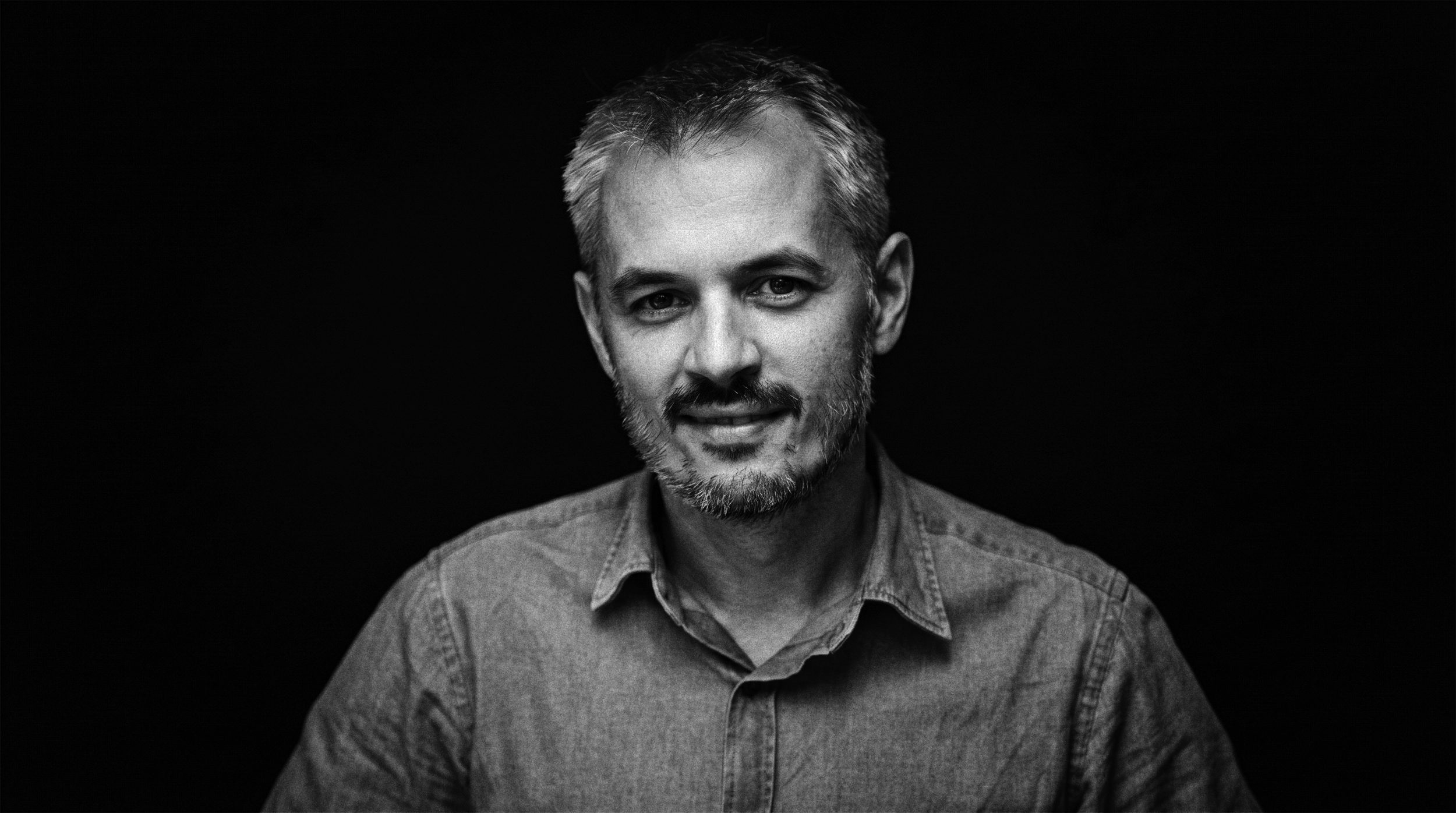
Maliqi: Sovereignty lies in people, not territories
Agon Maliqi discusses the EU-mediated dialogue between Kosovo and Serbia, the mythologization of Serb-majority municipalities, the political cost of the government's approach toward northern Kosovo and the country’s risk of being left outside collective security umbrellas.
From the beginning, dialogue was based on a presupposition that Kosovo and Serbia are interested in integrating into the EU and that interest gives them the impetus to reach agreements. I think that's no longer a driving force.
"Sovereignty lies in people, not territories, in my view. As Kosovo, we need to understand that sovereignty is the legitimacy you earn in the eyes of the people."
Out of the actions Kosovo has taken in the north, which have helped the country secure recognition from the five EU non-recognizing states?
In Kosovo, the Association has turned into a kind of patriotic bogeyman.
The Association is a narrative that was built by elites.
The Balkans remains fragile because, as long as there are disputes over borders or states internally contested by ethnic groups, there is always a risk.
The lack of attention could eventually turn into a lack of resources.
What is being overlooked is Kosovo's need to be part of collective security umbrellas — and that is NATO. For me, the priority would be for Kosovo to be part of NATO, because then you become part of a security umbrella and your border is NATO's border.
Dialogue has shifted from being an instrument for resolving major political issues into a kind of EU crisis-management unit that deals with peripheral but practical dialogue topics.
Gentiana Paçarizi
Gentiana Paçarizi is a journalist and holds a master’s degree in Journalism and Public Relations from the University of Prishtina “Hasan Prishtina.” She served as Managing Editor at K2.0 from 2022 to 2026.