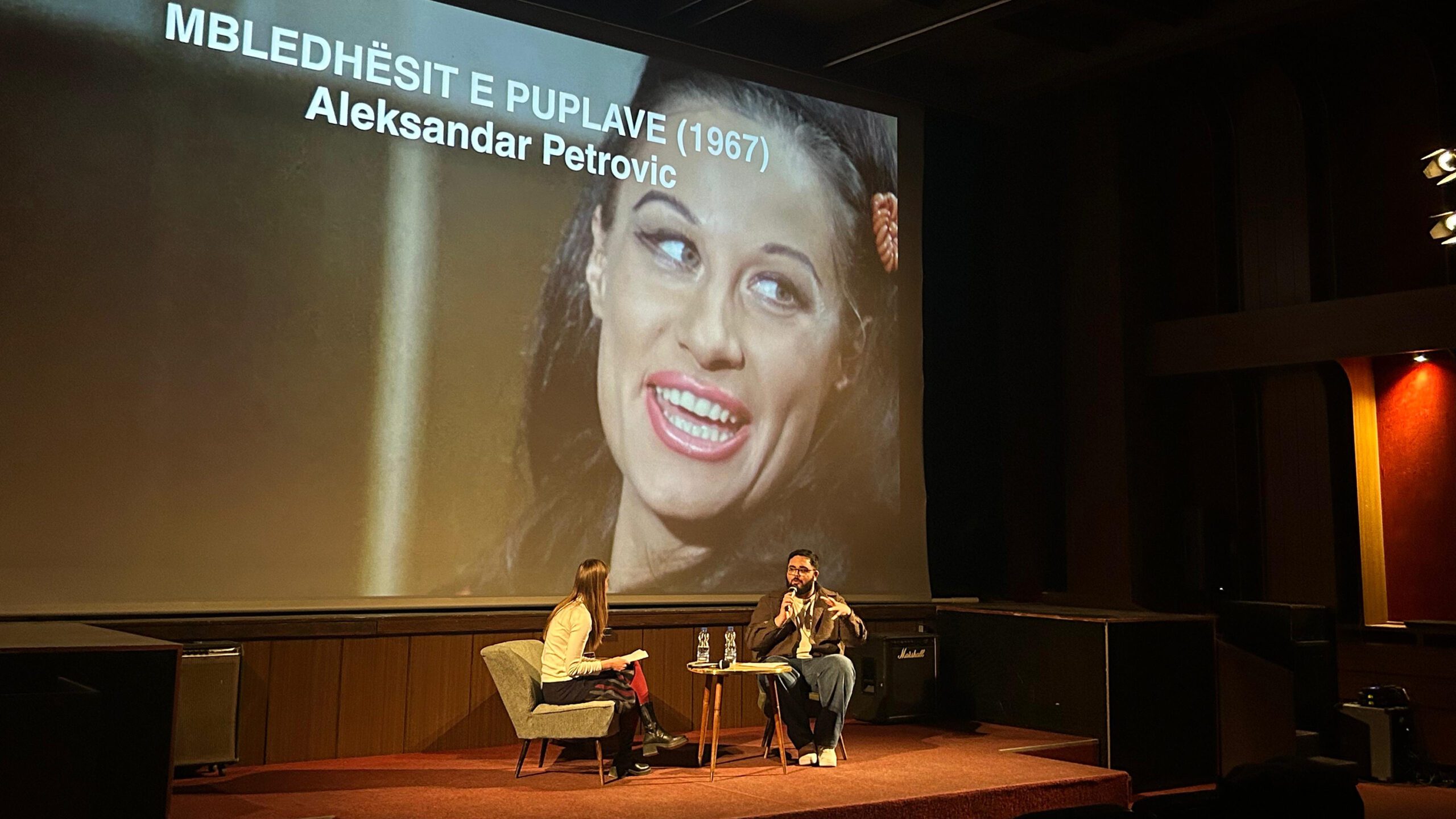
Qerka-Gashi: In Yugoslav cinema, we were positioned at the periphery of whiteness
Arbër Qerka-Gashi discusses the representation and marginalization of Albanian and Roma communities in Yugoslav cinema.
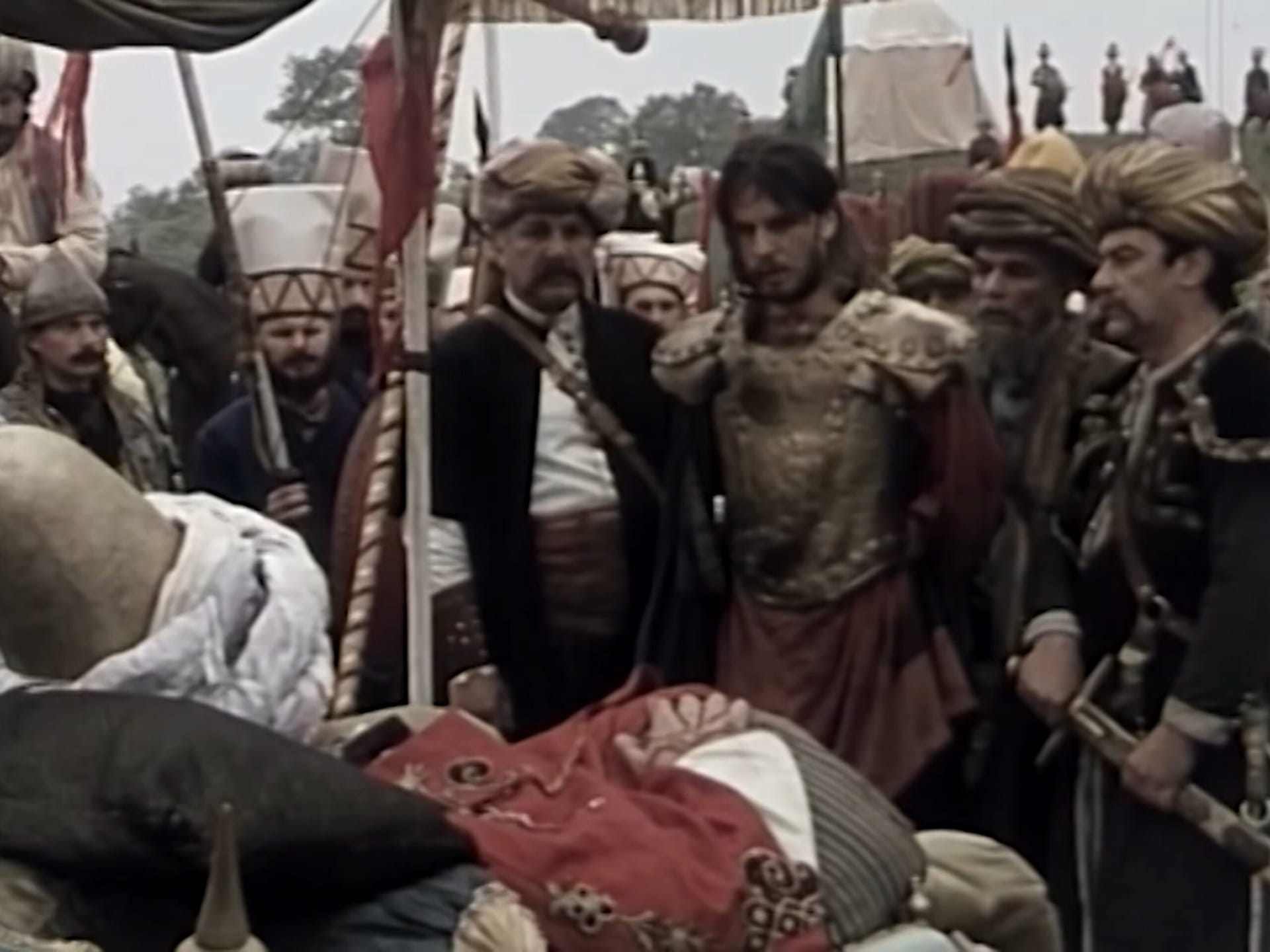
Still from ‘Boj na Kosovu.”
While I understand the visual and emotional attachment people have to those films, it felt like no one wanted to criticize them.
There is often a false equivalence in how Kosovar self-determination is read, compared to how the national expression of other communities from the former Yugoslavia is perceived.
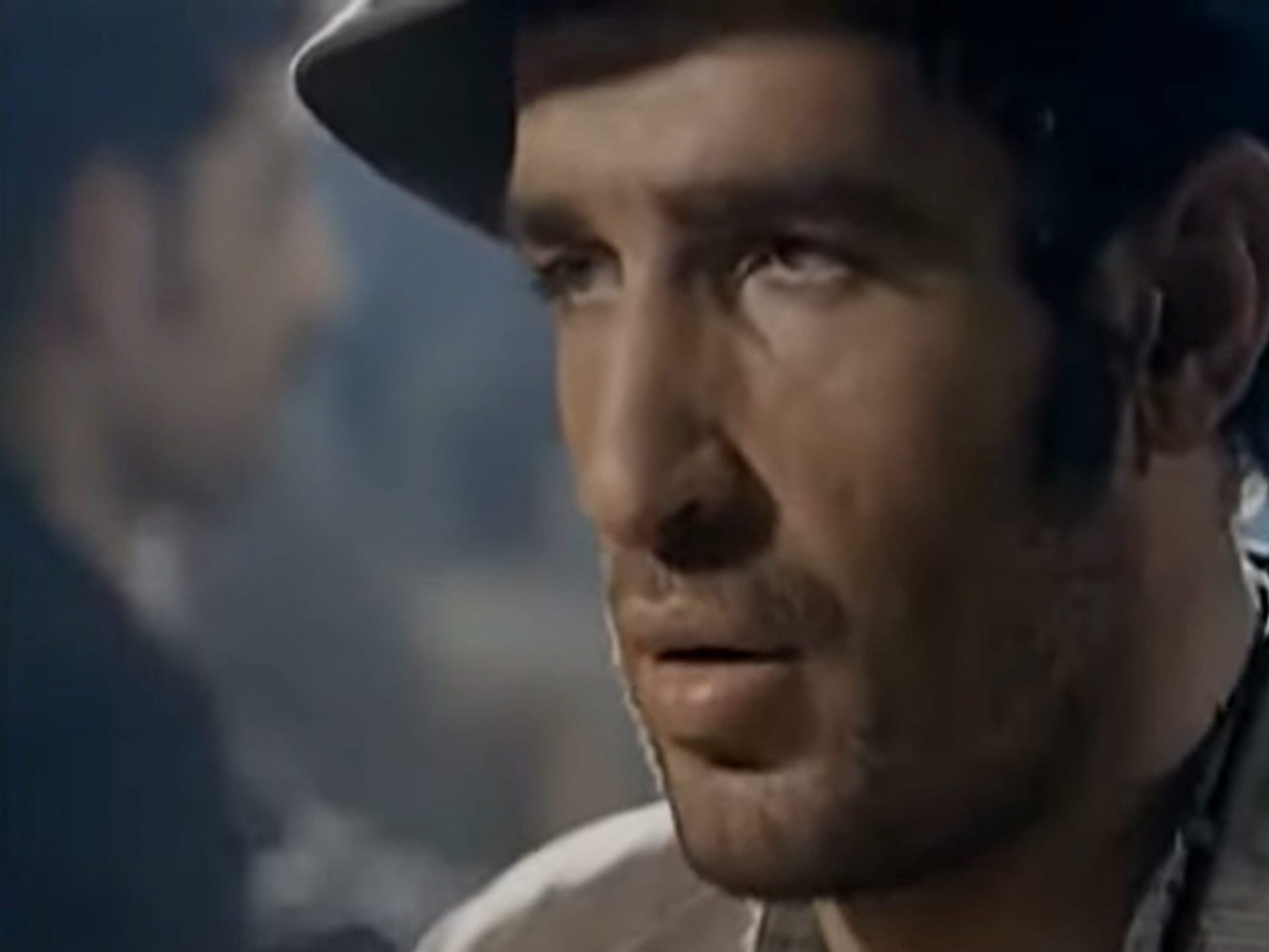
Still from “Skupljači perja], in English: “I Even Met Happy Gypsies.”
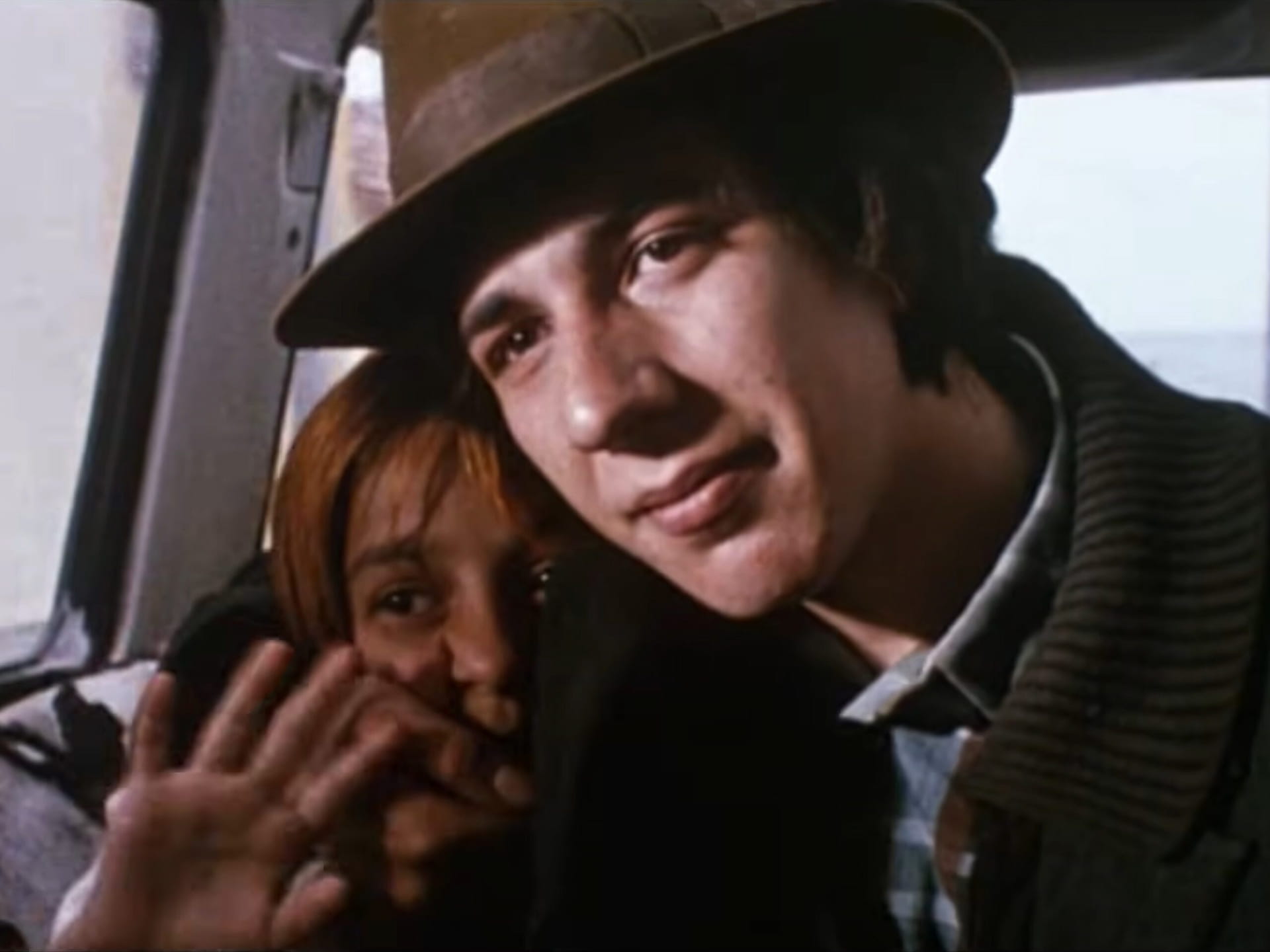
Still from Time of the Gypsies.
This contributed to a kind of racialization of Albanians within the Yugoslav system — that we were positioned at the periphery of whiteness, while Serbo-Croat speakers occupied the center of what counted as white or civilized.
These films were not operating in isolation. They were part of a much broader system of meaning, one that helped normalize the view of Albanians as suspect, backward, destabilizing — and therefore easier to discipline, exclude or repress.
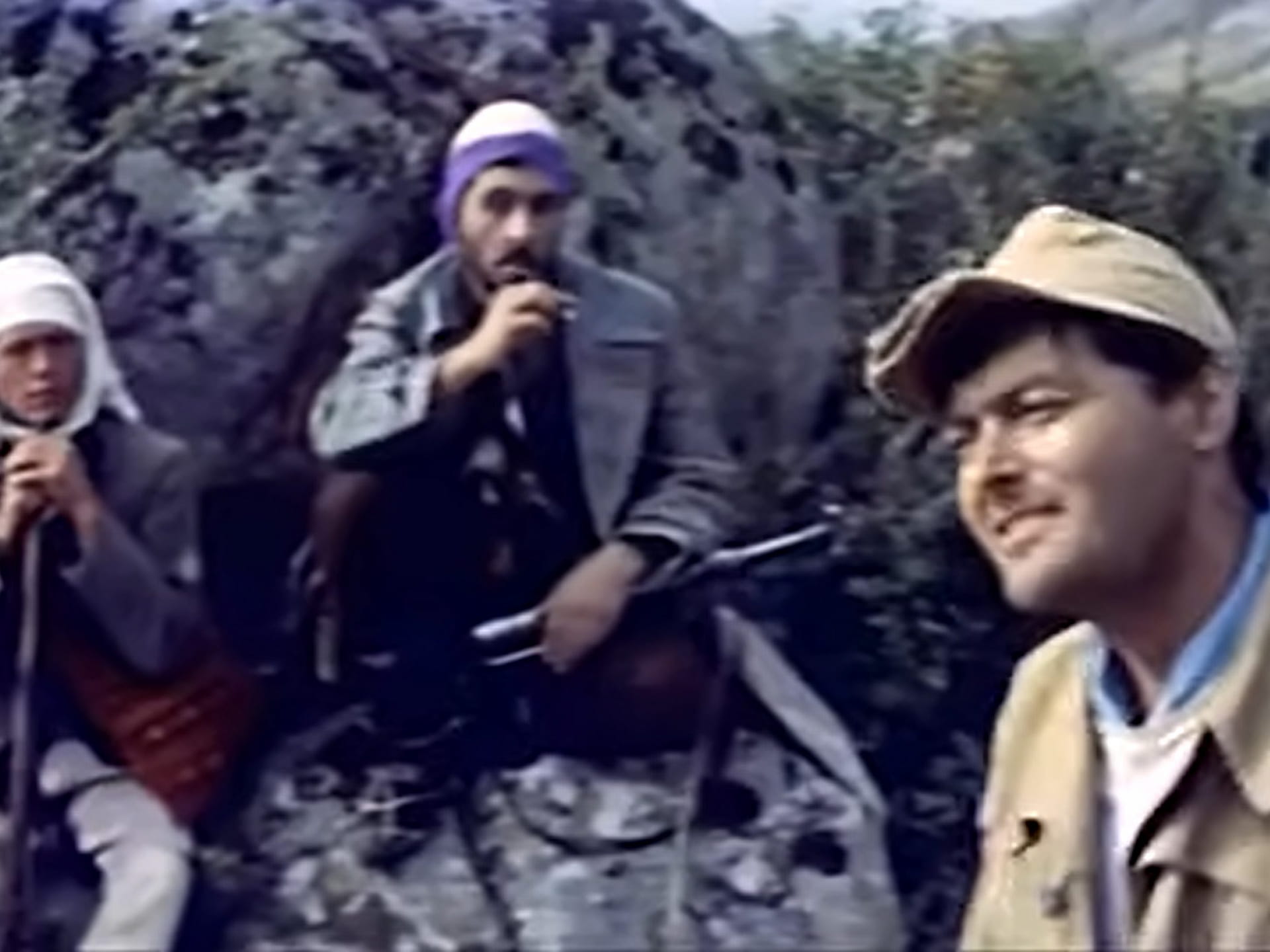
Still from “Kapetan Leši”.
In the postwar period, Albanian media in Kosova was often quite eager to distance itself from Roma communities. And because of that, you find very negative depictions of Roma people not only in film, but in media more broadly.
What I find really irritating is the way Roma communities are represented in such an unreflective way.

Dafina Halili
Dafina Halili is a senior journalist at K2.0, covering mainly human rights and social justice issues. Dafina has a master’s degree in diversity and the media from the University of Westminster in London, U.K..