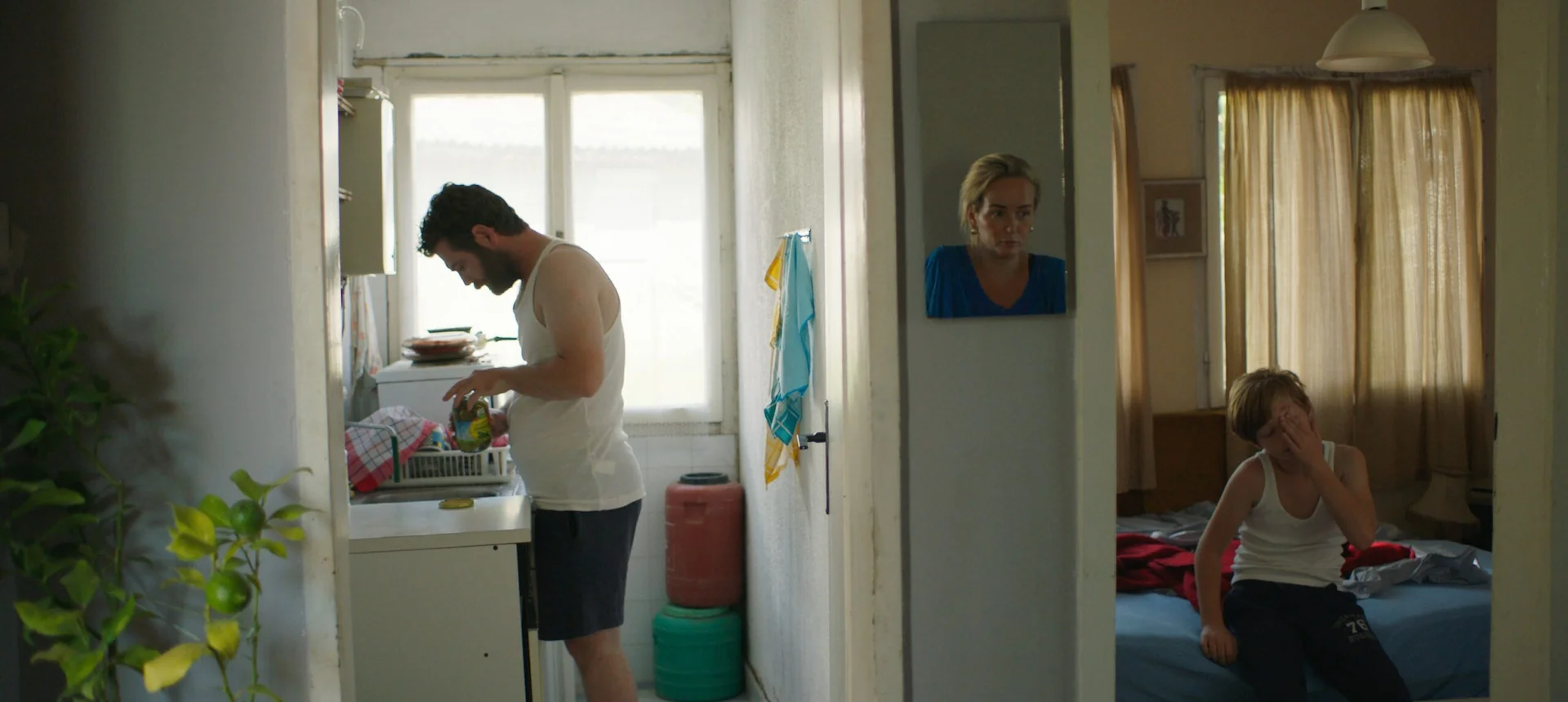
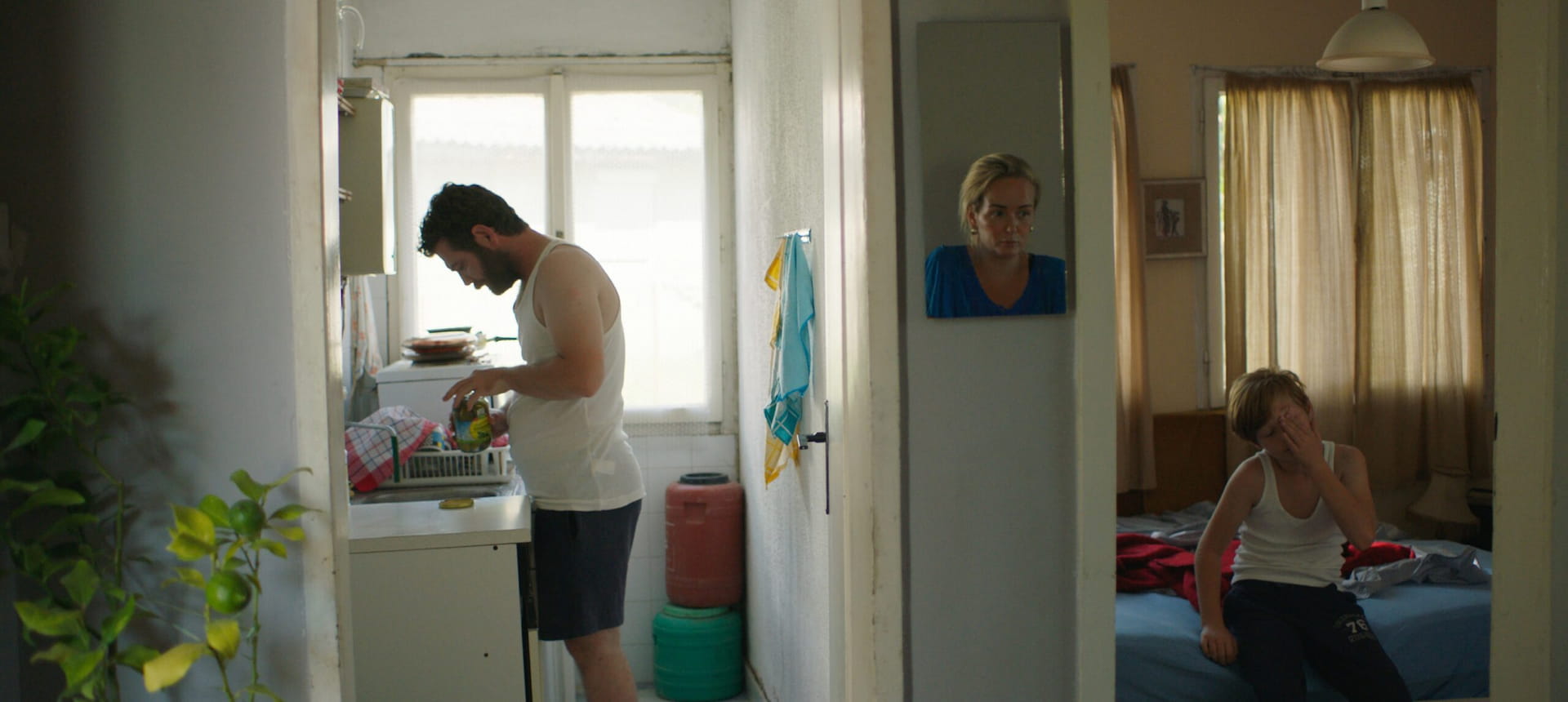
The village I didn’t know how to explain
Watching “Everybody Calls Redjo” as a diaspora kid.
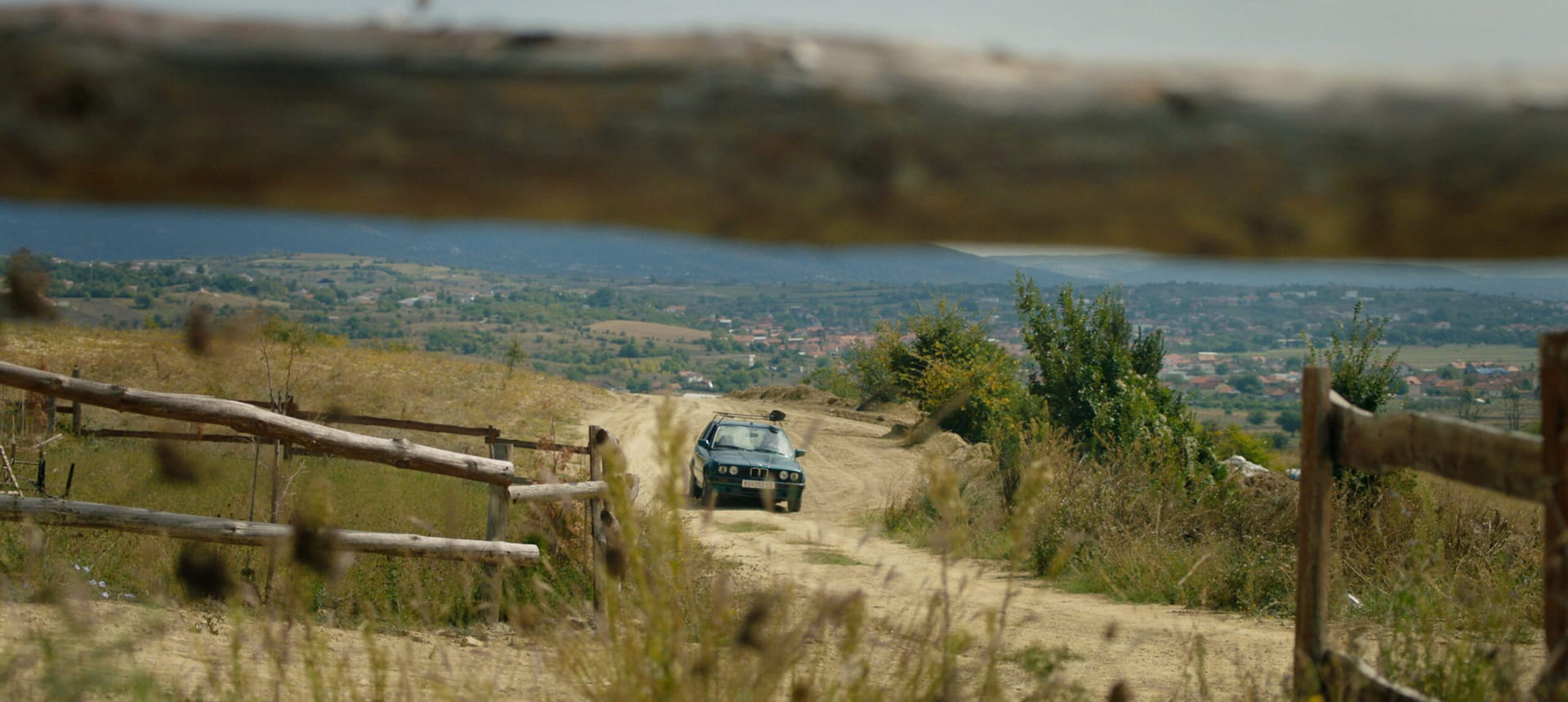
Photo: Still from the movie.
The question the film keeps raising is not only who leaves, but who continues to hold everyday life together.
The film made me realize that for years I had been trying to carry a country with me from city to city using only my own words.
Multilingualism is not offered as an exotic characteristic of the Balkans but as something that simply exists, as ordinary as the landscape, even though Albanian remains the film’s main language.
I recognized this tension not as a complete portrait of a region but as the representation of a familiar social logic, in which the prospect of what others say carries enormous weight and in which a woman’s behavior and body often become a matter of collective scrutiny.
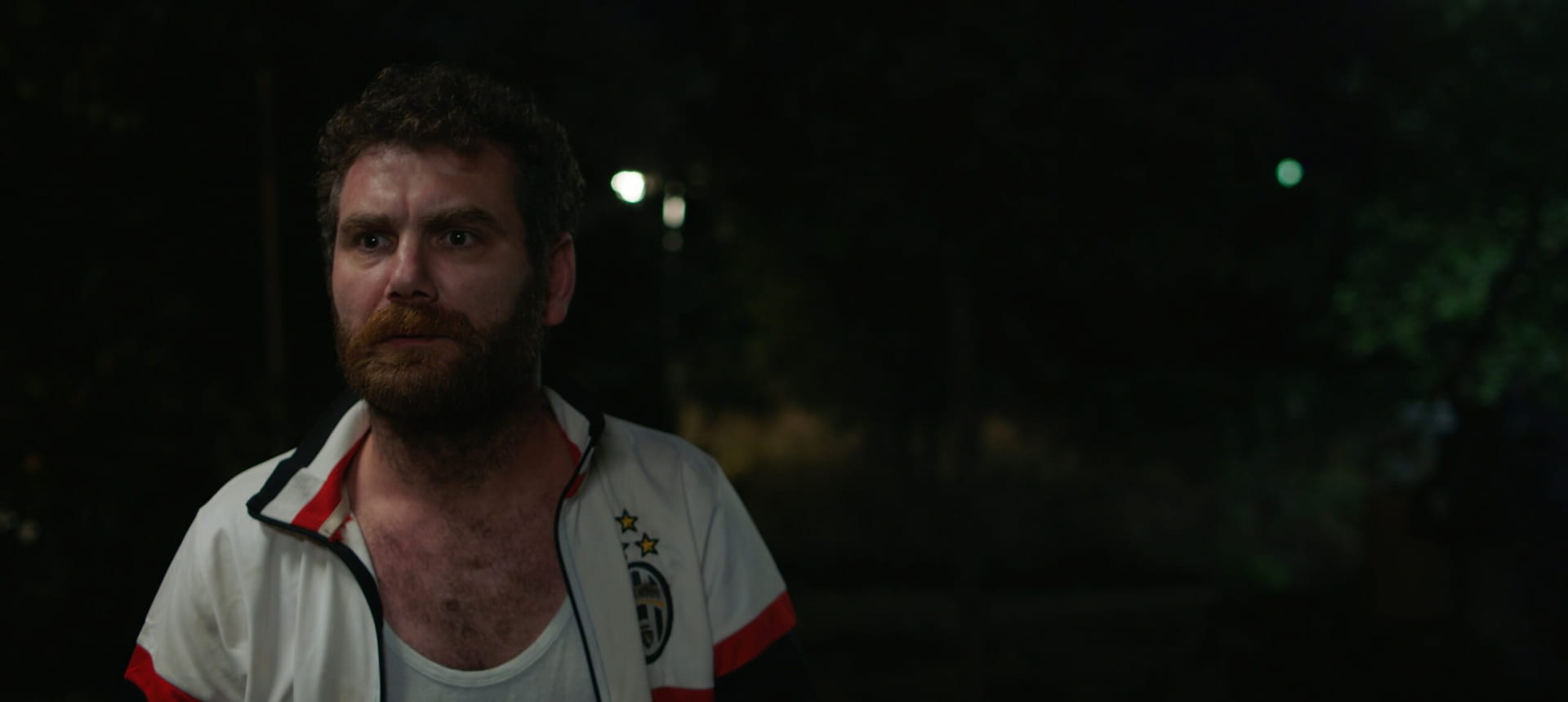
Photo: Still from the movie.
I grew up in Italy, and I now live in Germany, and the world of my family has followed me through every move, but for years I carried it mostly in my own words, trying to make it visible to people who had no reason to know it already.

Ardita Osmani
Ardita Osmani is a sinologist whose curiosity has taken her from Venice to Beijing and Nanjing, and now to the University of Duisburg-Essen, where she teaches and conducts research in political and social science.
This story was originally written in English.