
“There is hope, but not for us”
The fading collective affect of hope in post-independence Kosovo.
Young women were given a primary, albeit symbolic, role in the visions of the new state: to represent the ideal image of Kosovo to external audiences and to offer a model of the ideal Kosovar woman for internal audiences to follow.
The individual achievements of these women were simultaneously considered collective contributions to state-building.
The system managed to shake up, but not eradicate, gender norms and expectations, in which women constantly negotiate their position across multiple economic, social, and family or kinship spheres.
The entire post-war focus on the rule of law narrowly concentrated efforts on ensuring order, security and stability to avoid ethnic conflict, as well as to create a multi-ethnic society.
The overall discrepancy between grand promises and reality is largely the result of the deliberate concentration of power and economic resources in certain sectors and social groups.
It may seem that the hope for the state to be created, along with external constraints, distracted and deprived Kosovar society of the essential question: what kind of state is being built, and for whom?
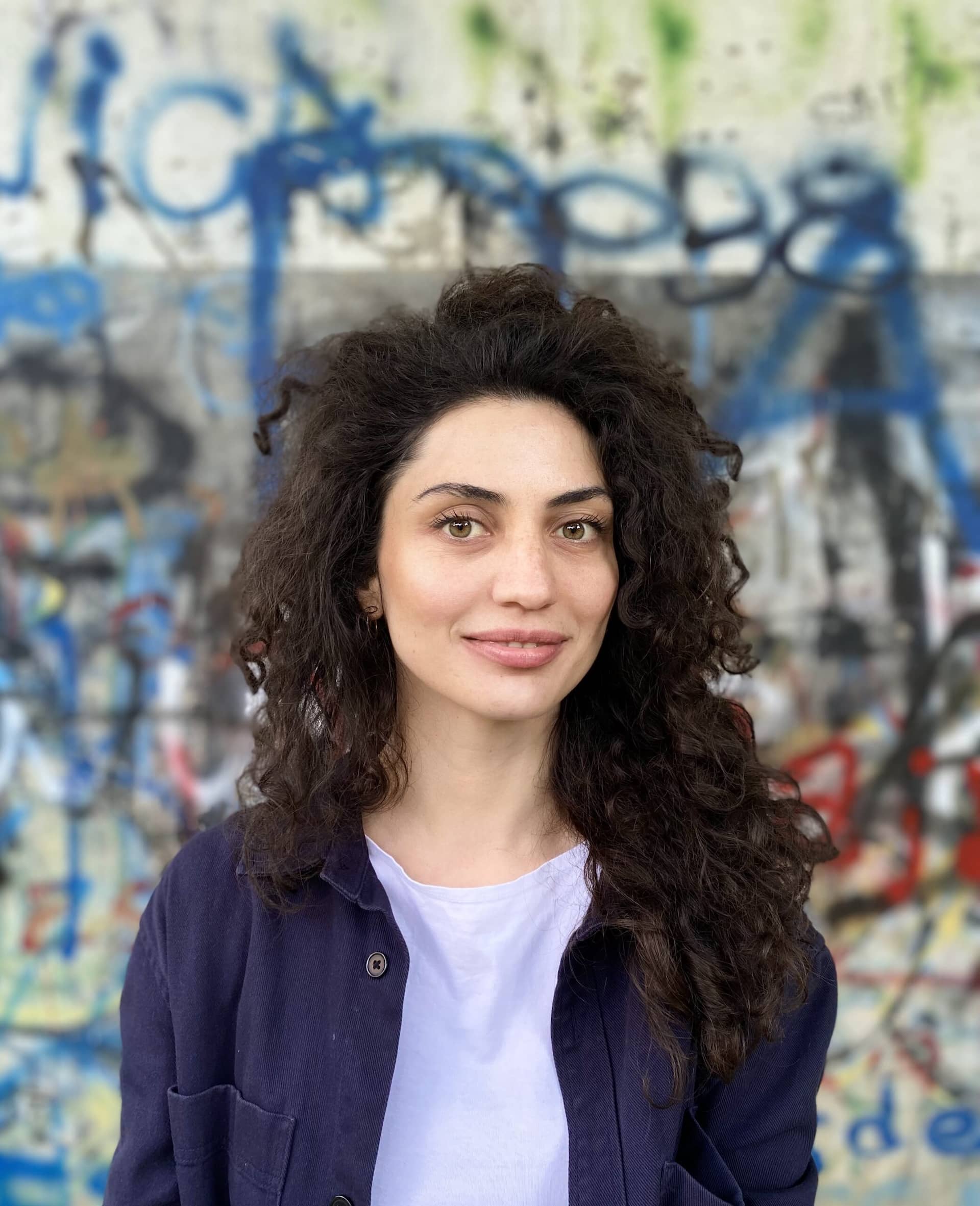
Rozafa Berisha
Rozafa Berisha is a social anthropologist. She holds a PhD from the University of Manchester and is currently a researcher at Utrecht University.
DISCLAIMERThe views of the writer do not necessarily reflect the views of Kosovo 2.0.