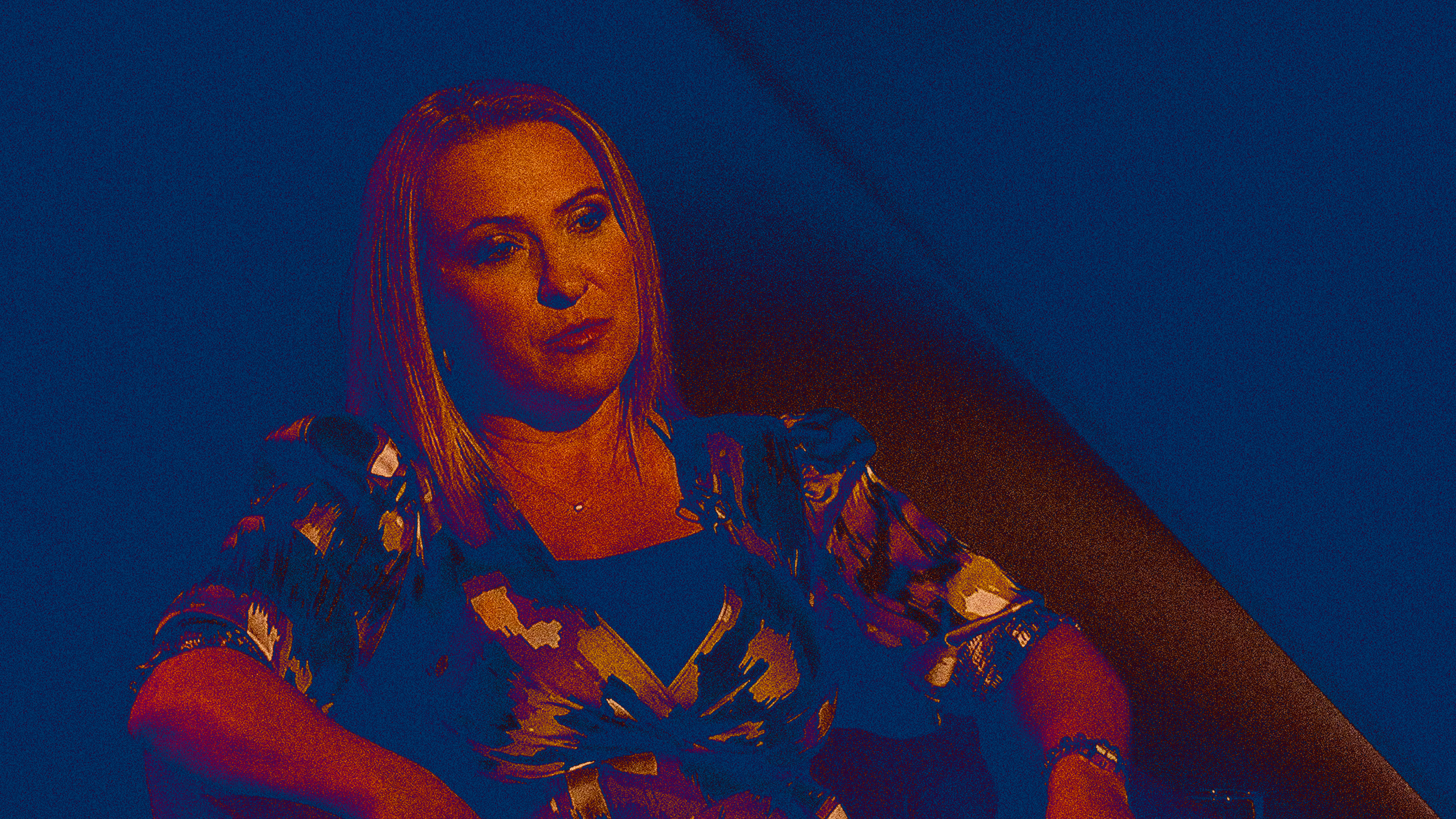
What happened after Snežana Paunović’s “ethnic cleansing” remarks?
The controversy faded. The question of political responsibility did not.
Such statements can deepen mistrust between communities and make everyday life harder for the people whom Serbian politicians claim to represent.
Rather than addressing the impact of her original remarks, Paunović focused on defending her statement, criticizing those who condemned it and describing herself as the target of political and media attacks.
Her inclusion on the electoral list means that the controversy has not brought her political career to an end.
Where does political responsibility begin, and what consequences, if any, follow when that boundary is crossed?
Laura Szymczak
Laura Szymczak is a Polish master’s student in Geoslavistics with academic interests in Slavic societies, national minorities, human rights and European integration. Her previous academic work focused on Polish and Czech minorities in Moldova and resulted in a university exhibition and a series of podcasts. She has also participated in academic conferences on Slavic studies and European Union-related topics. She is currently completing an Erasmus+ traineeship at the Youth Initiative for Human Rights (YIHR) in Belgrade, where she works on human rights and political developments related to Serbia and Kosovo.
DISCLAIMERThe views of the writer do not necessarily reflect the views of Kosovo 2.0.