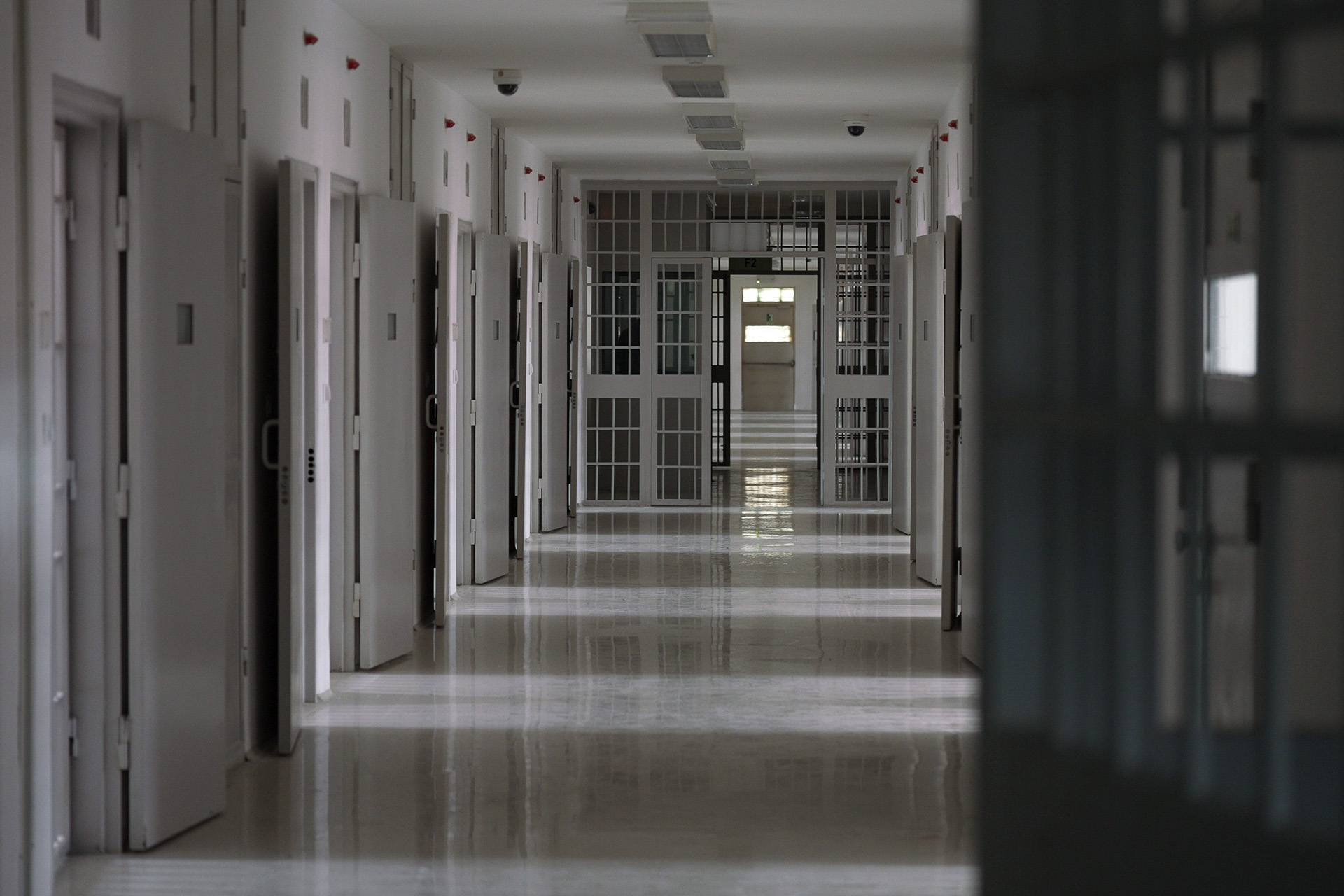
Free, but excluded
For many former convicts in Kosovo, a sentence continues even after prison.
For Gent, the way the state closed its doors on him after his release had shattered his belief that everyone deserved a second chance.
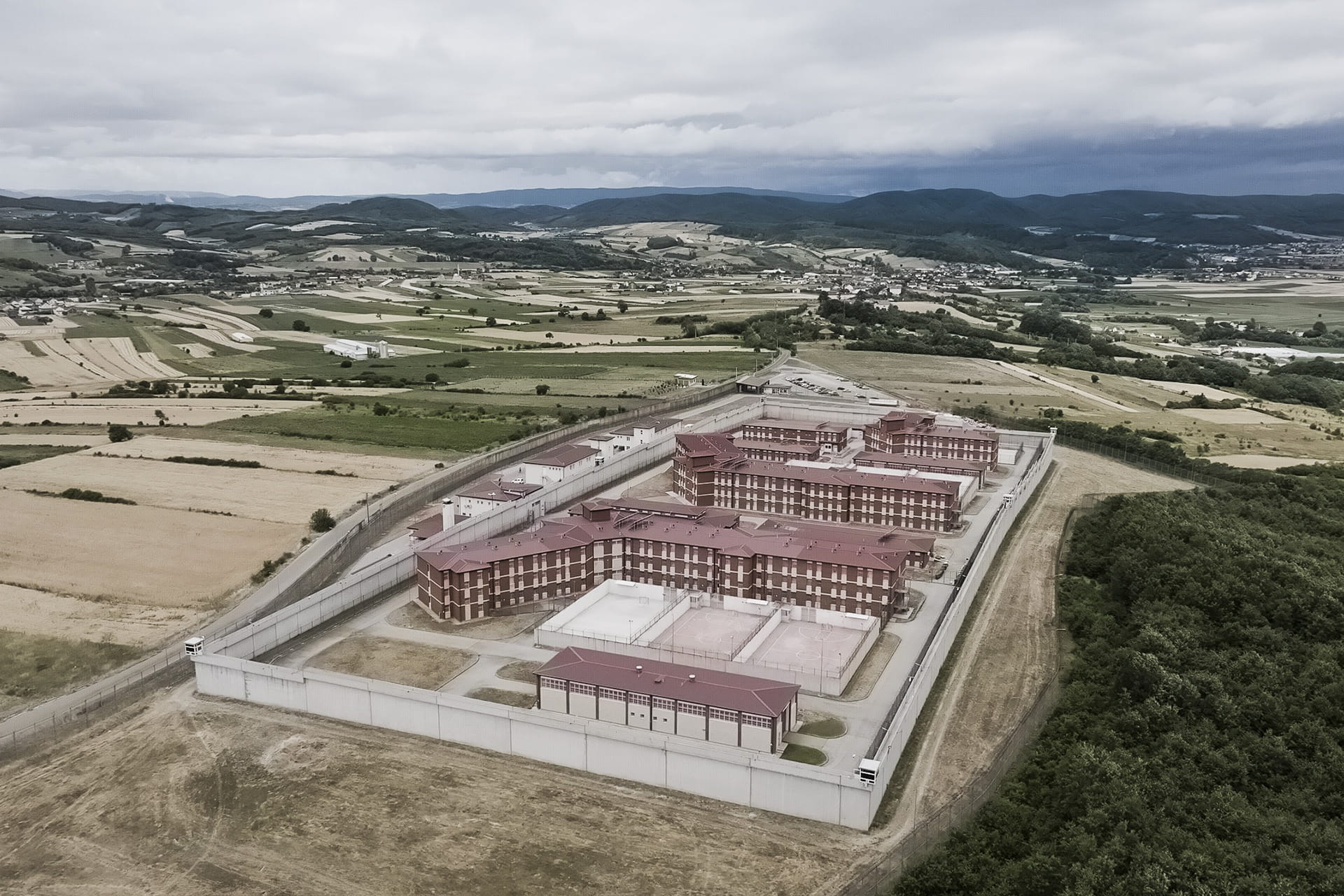
There are 11 correctional institutions operating in Kosovo, categorized by security level. Photo: Denis Slovinja / BIRN
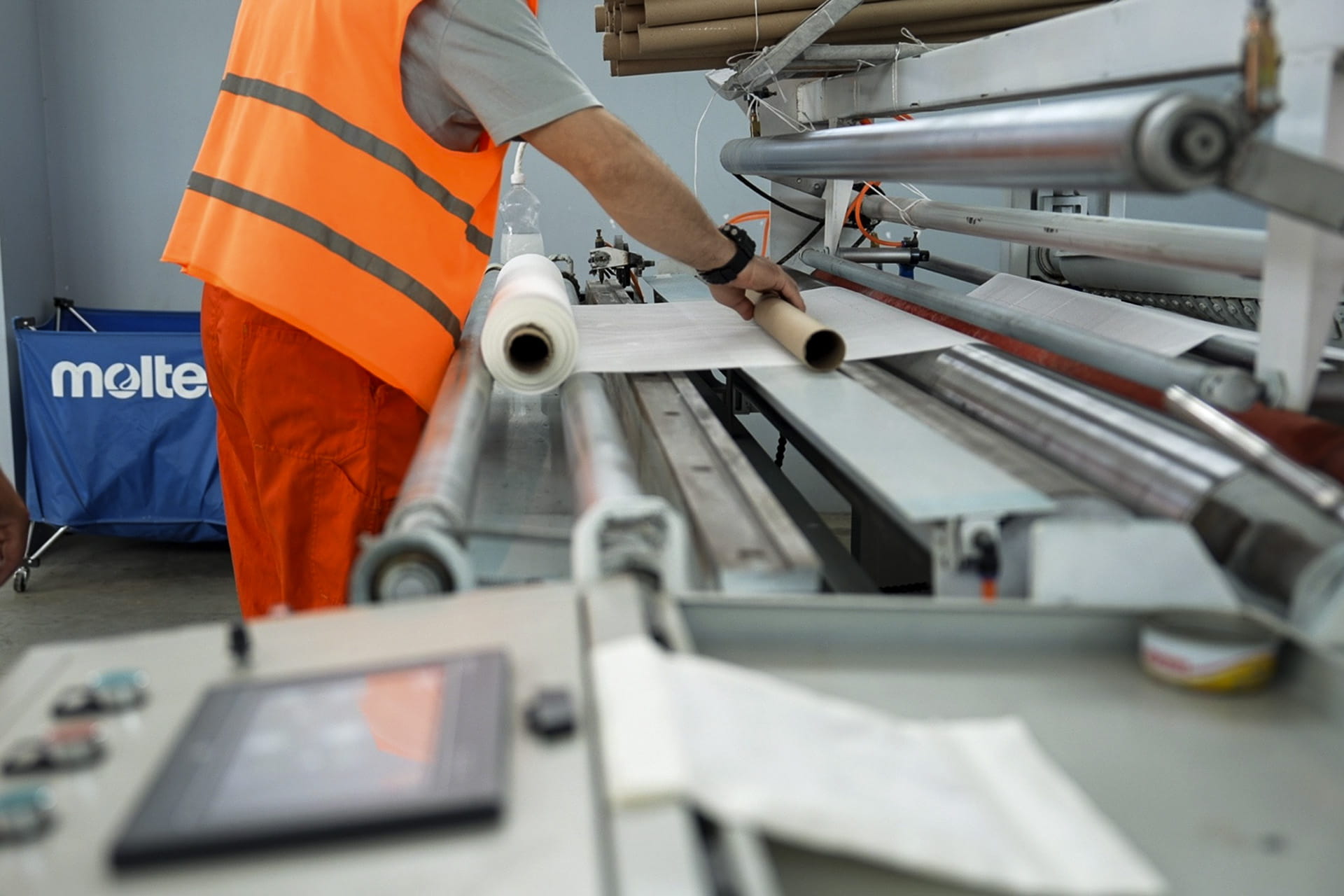
Në qendrat korrektuese zhvillohet edhe arsimim formal dhe aftësim profesional në fusha të ndryshme, me synim përgatitjen e të dënuarve për tregun e punës jashtë burgut. Fotografia: Denis Sllovinja / BIRN
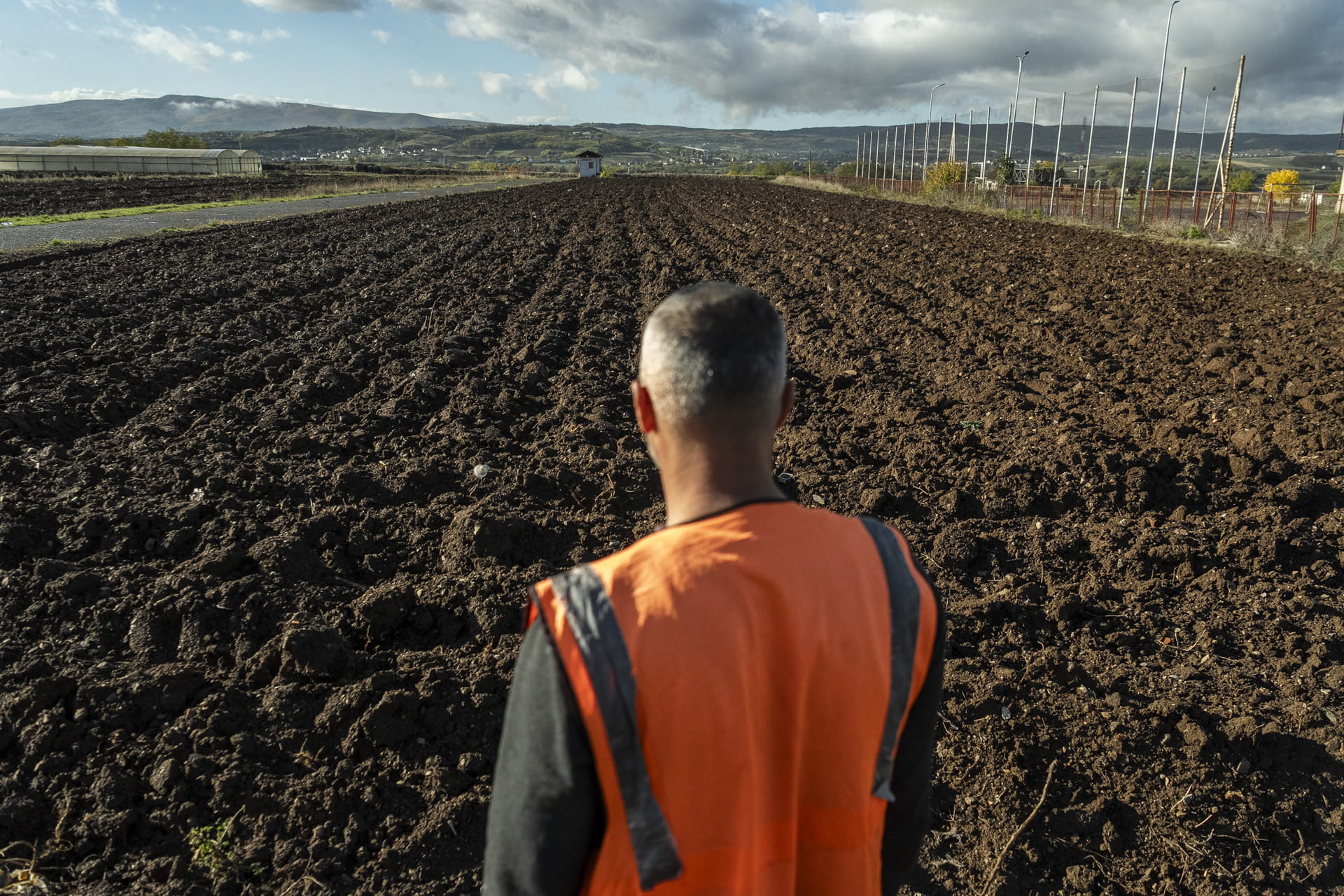
At the Smrekonica open center, convicts work in the fruit and vegetable fields within the center's perimeter. Photo: Ferdi Limani / K2.0
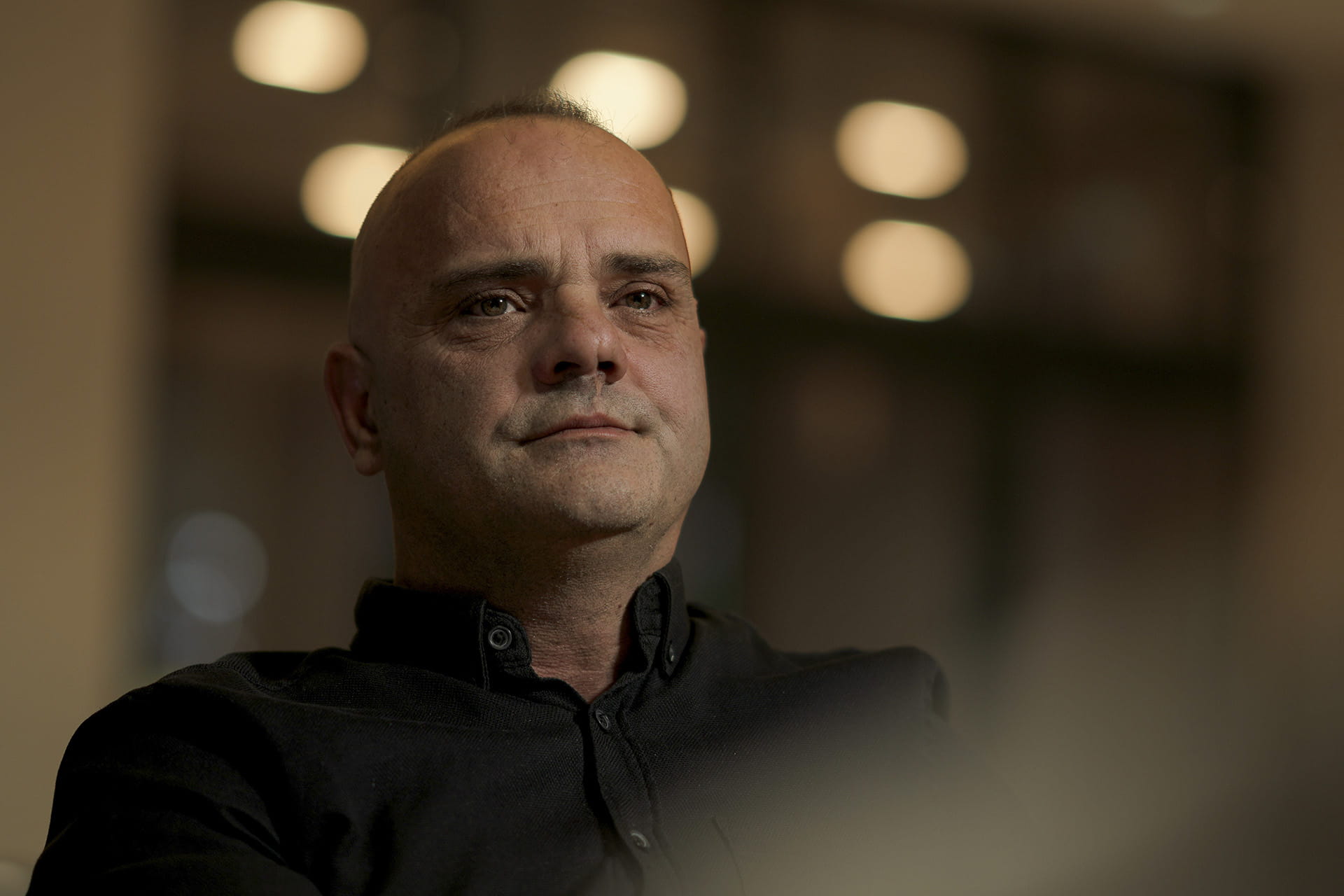
Gazmend Lakna was preparing for the bar exam when he was arrested, spending three and a half years in detention before being acquitted in 2017. Photo: Denis Slovinja / K2.0
“Prison,” Gazmend continued, “destroys two basic things that a person has: his profession and his life.”
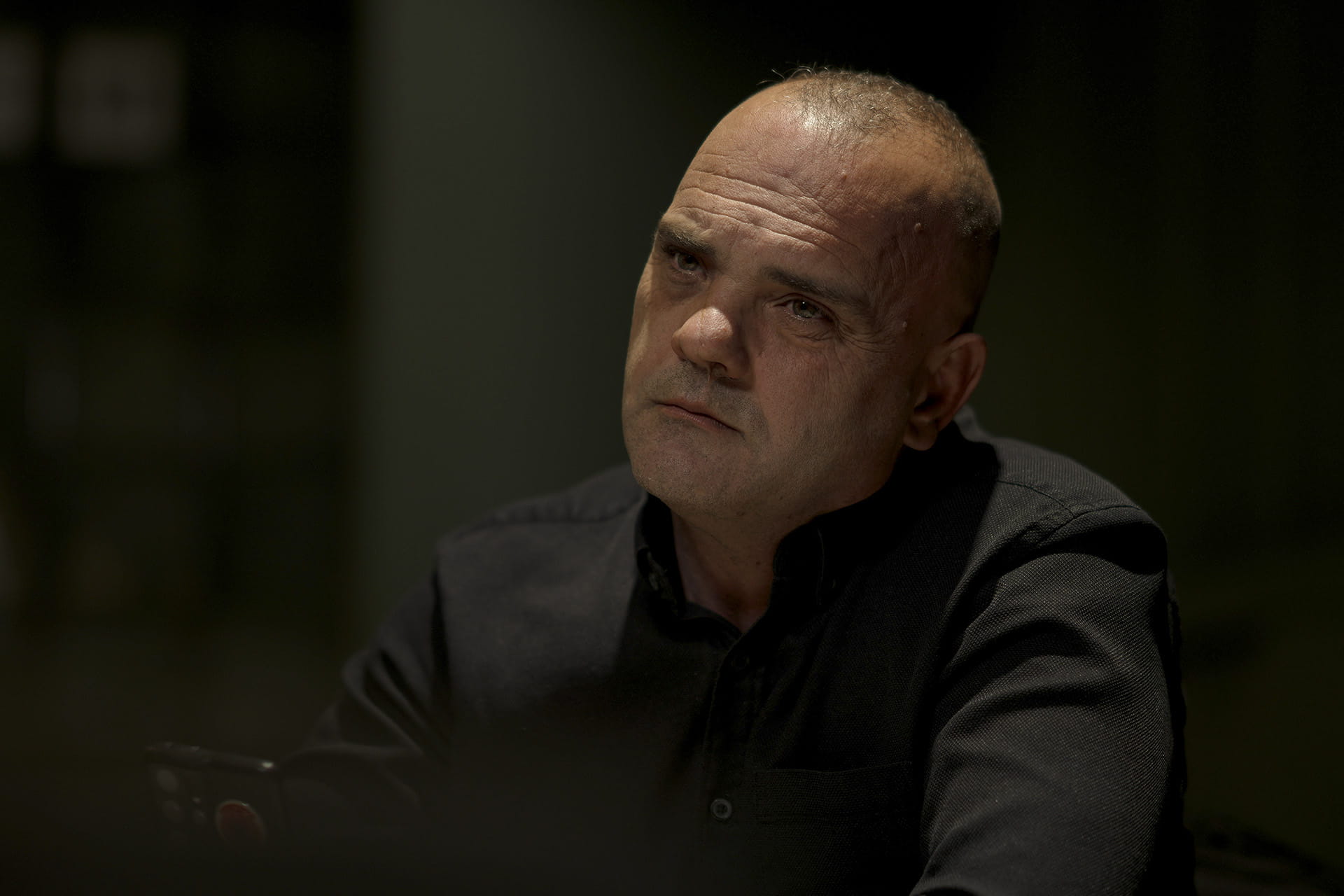
Nearly a decade after his release, Gazmendi has not escaped the consequences of time behind bars. Photo: Denis Slovinja / K2.0
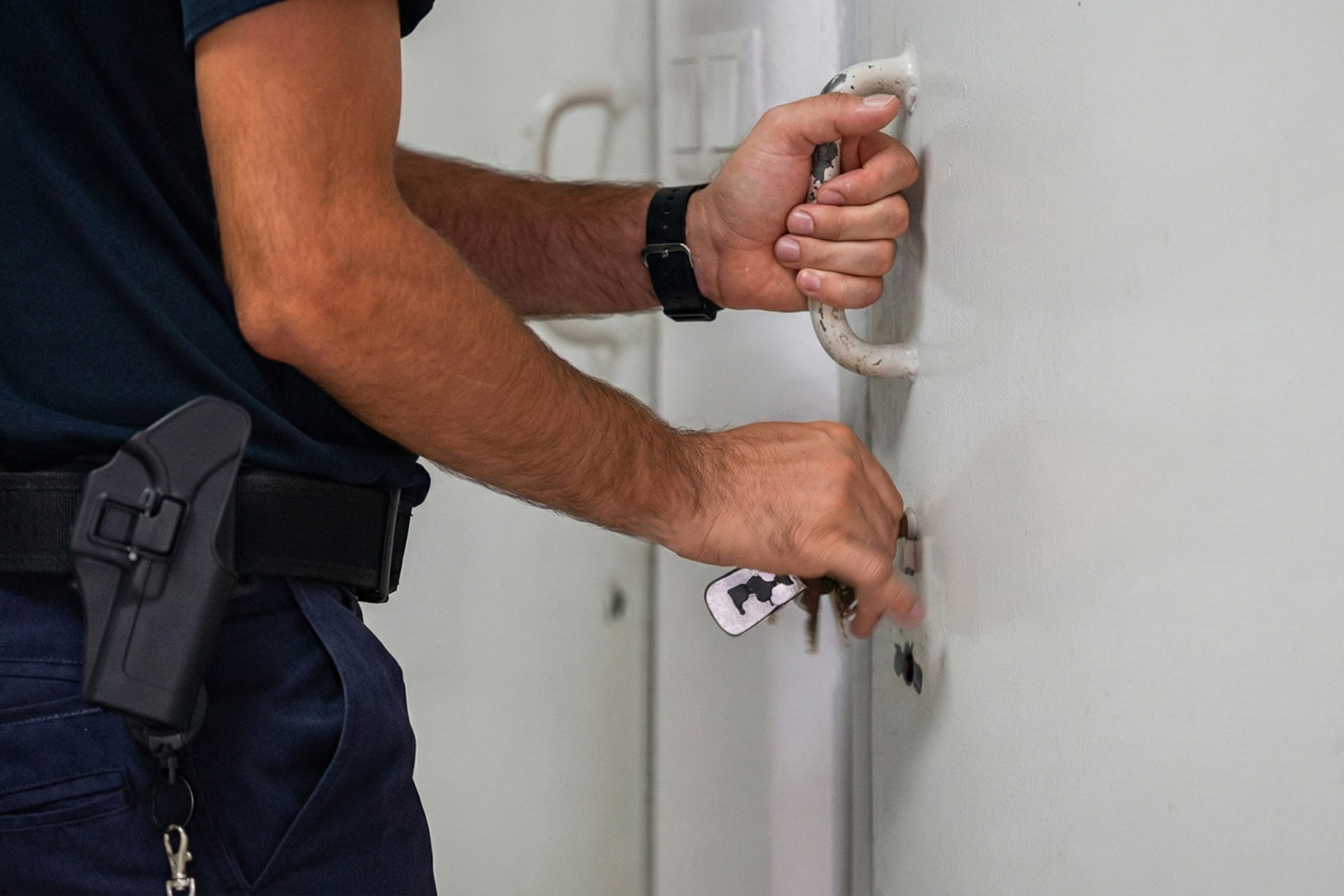
Isolation and long durations spent in closed environments, such as prisons, leave deep psychological consequences. Photo: Denis Slovnja / K2.0
Another essential element for the reintegration of ex-convicts is acceptance by society, which Kosovo still seems to remain closed off to. This led Gent to change his place of residence.
Iliri said that, even though he has not been imprisoned, the mere fact of being arrested and going through police procedures was enough to make you be seen differently in society.
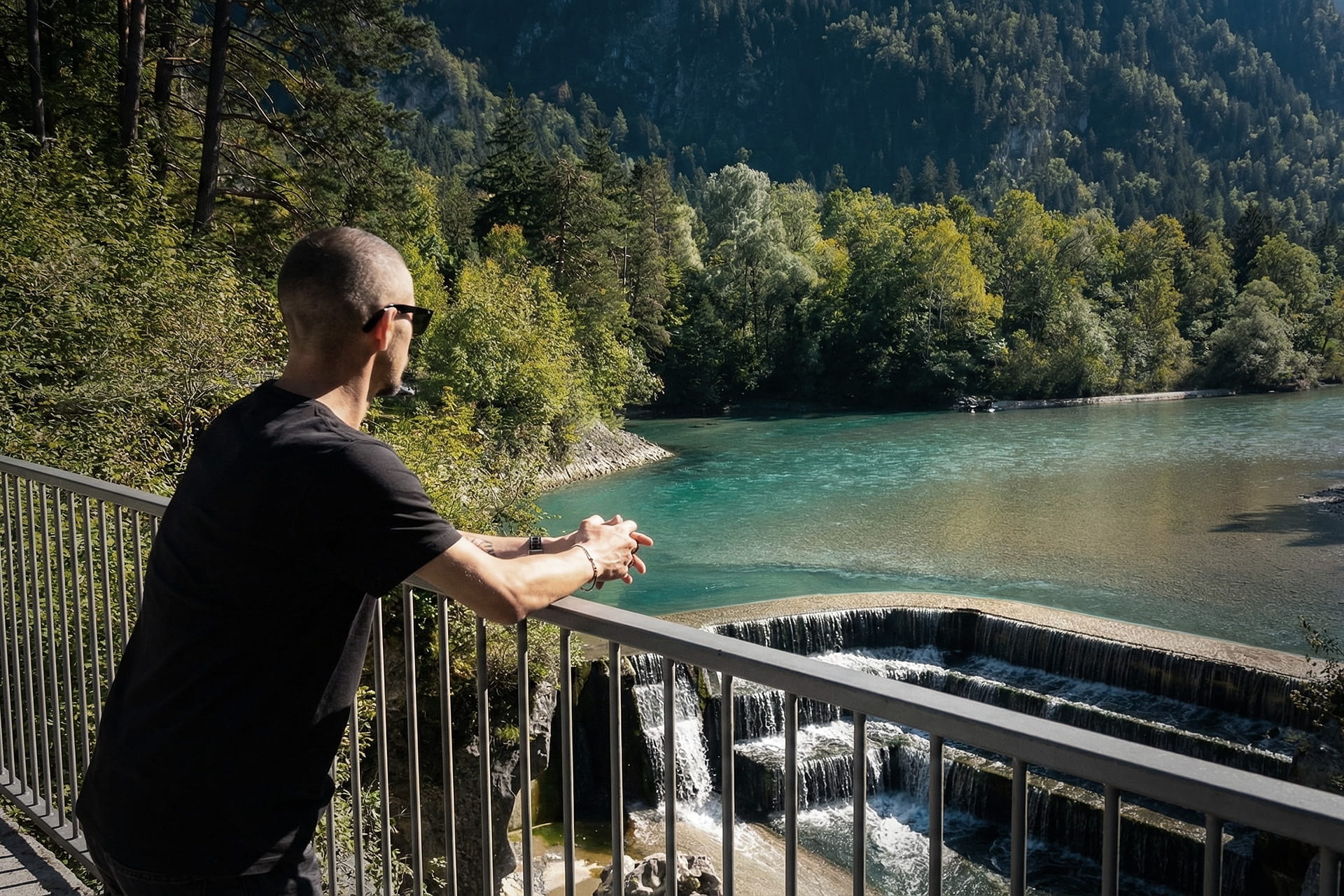
Ilir, even though he had not served his sentence in any correctional center, was left with the stigma of being convicted. Photo: Ilir's personal archive.

Ardita Zeqiri
Ardita Zeqiri is a journalist and researcher at the Balkan Investigative Reporting Network (BIRN) Kosovo. She currently contributes to BIRN’s English-language newspaper, Prishtina Insight. She holds a degree in Philosophy and Politics and is a beneficiary of the 6th cycle of the K2.0 Journalism Fellowship.
This story was originally written in Albanian.