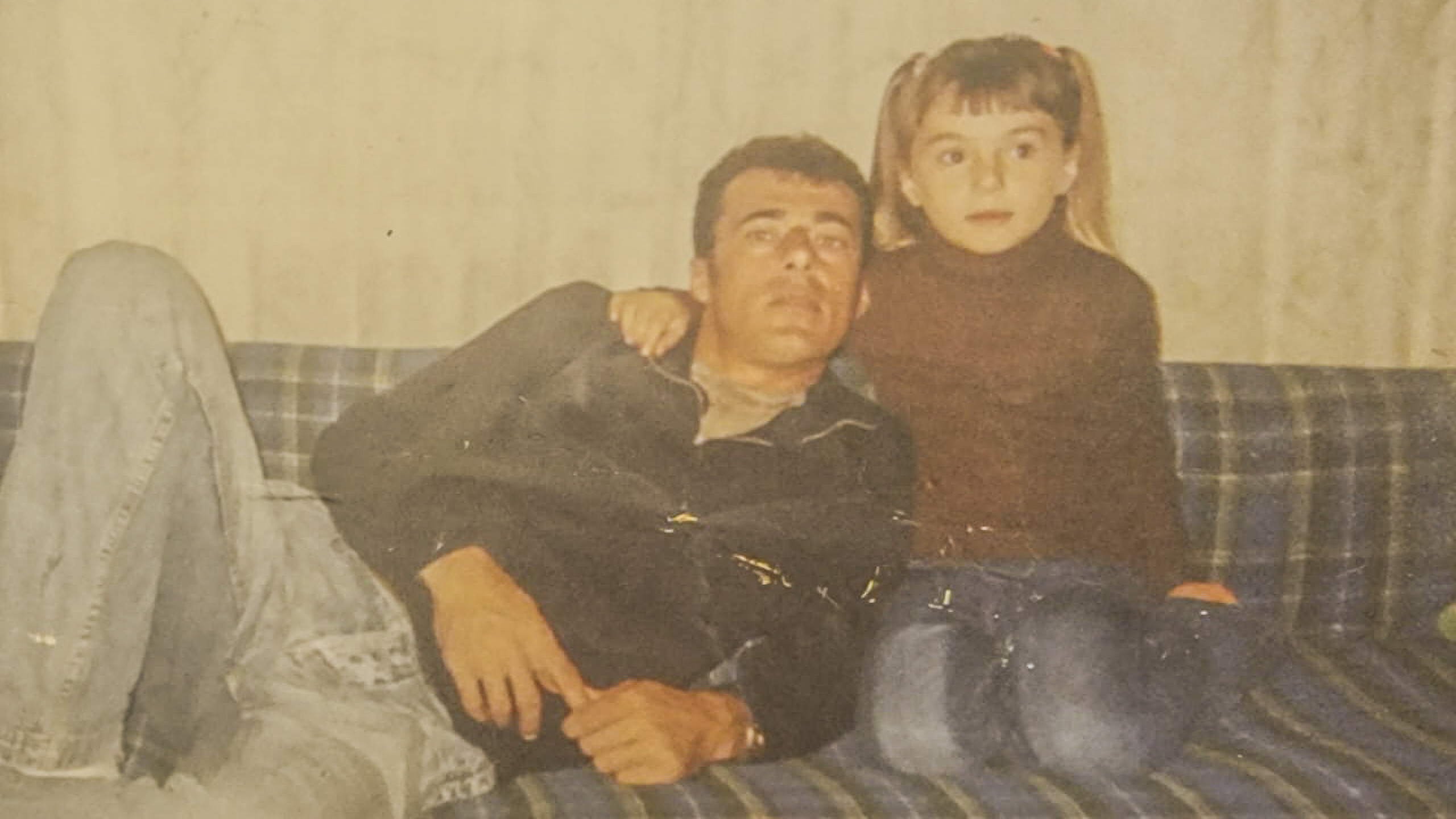
Growing up in the shadow of their parents’ trauma
The trauma of wartime sexual violence is passed down to the children of survivors.
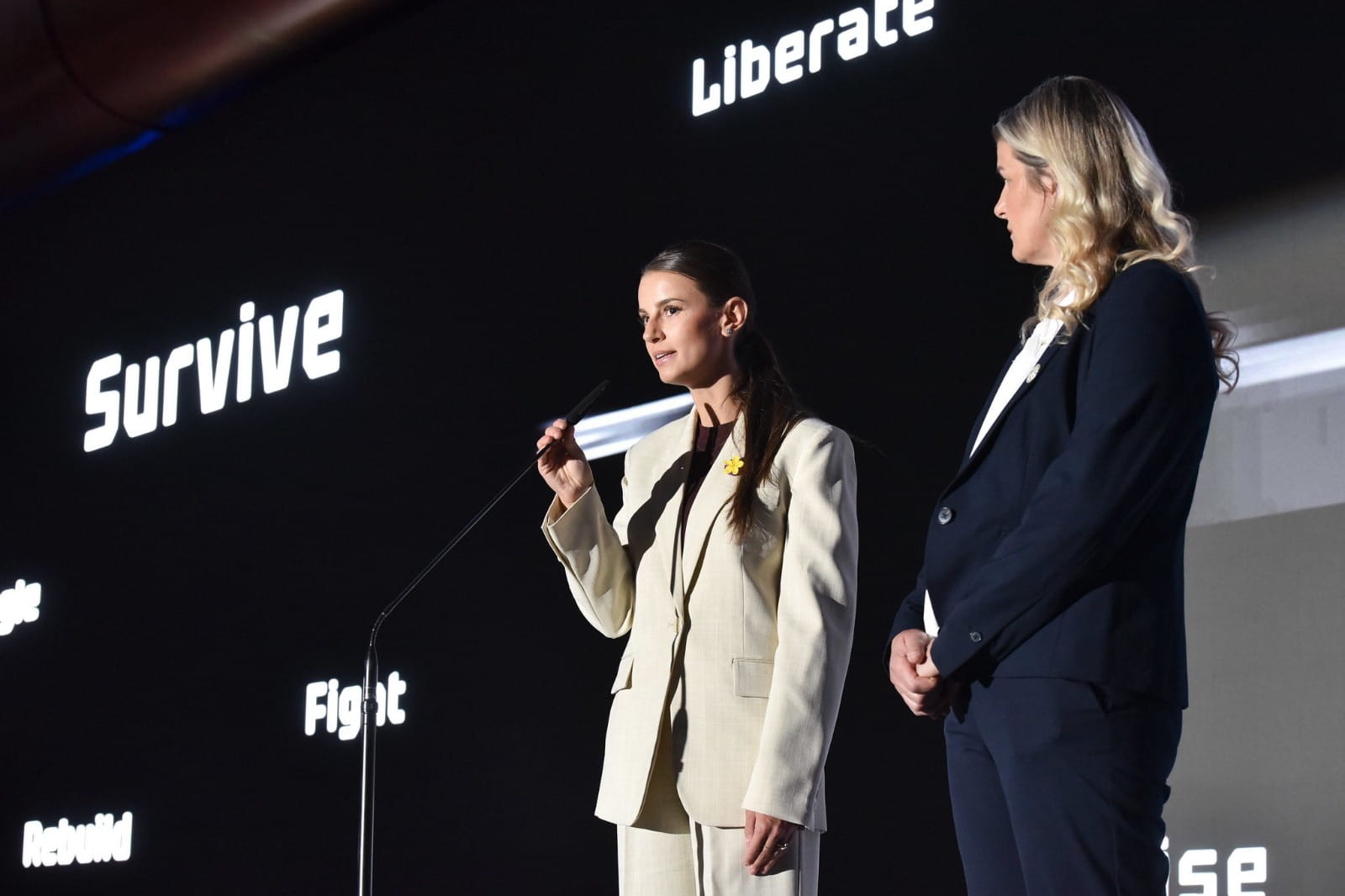
Her mother’s behavior surrounded Venesa with a constant feeling of insecurity, though neither she nor her sister knew how to name it. Photo: Presidency of Kosovo.
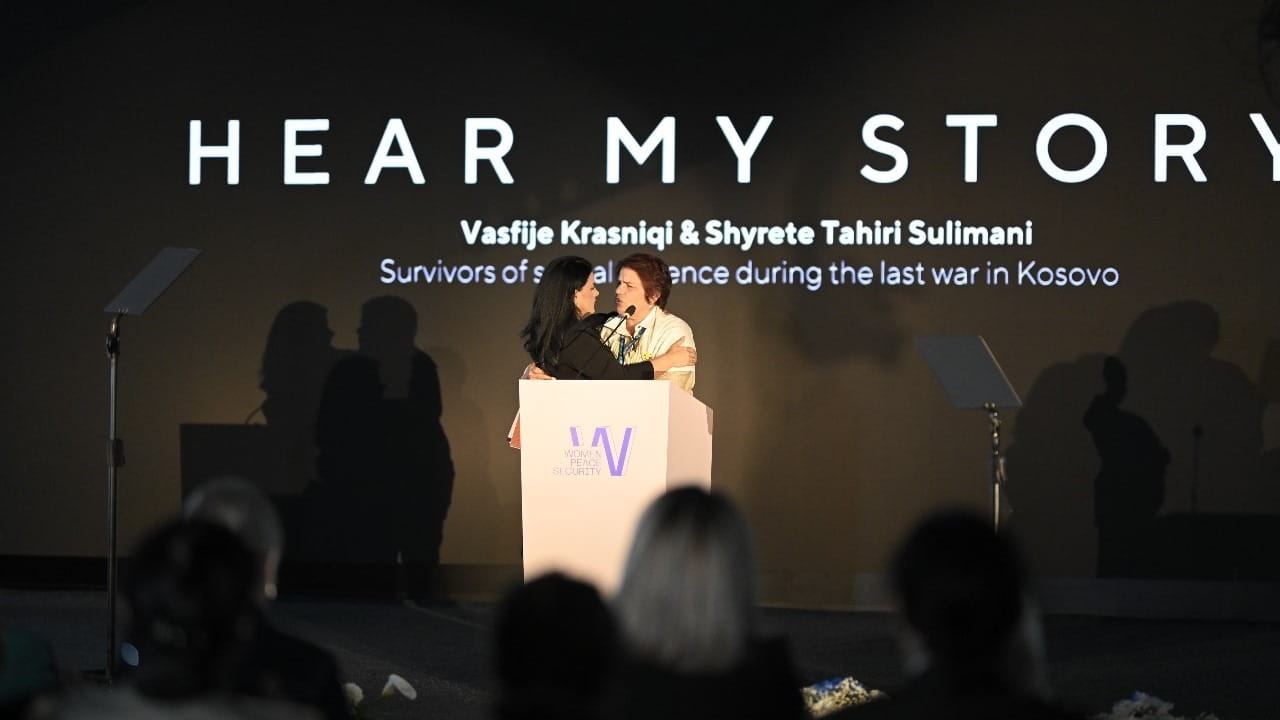
Shyrete Tahiri is one among thousands of survivors of sexual violence during the 1998–1999 war in Kosovo. Photo: Presidency of Kosovo.
“My mother was raped during the war. So my behavior began to make sense, but also the way I perceived the world around me,” Venesa says.
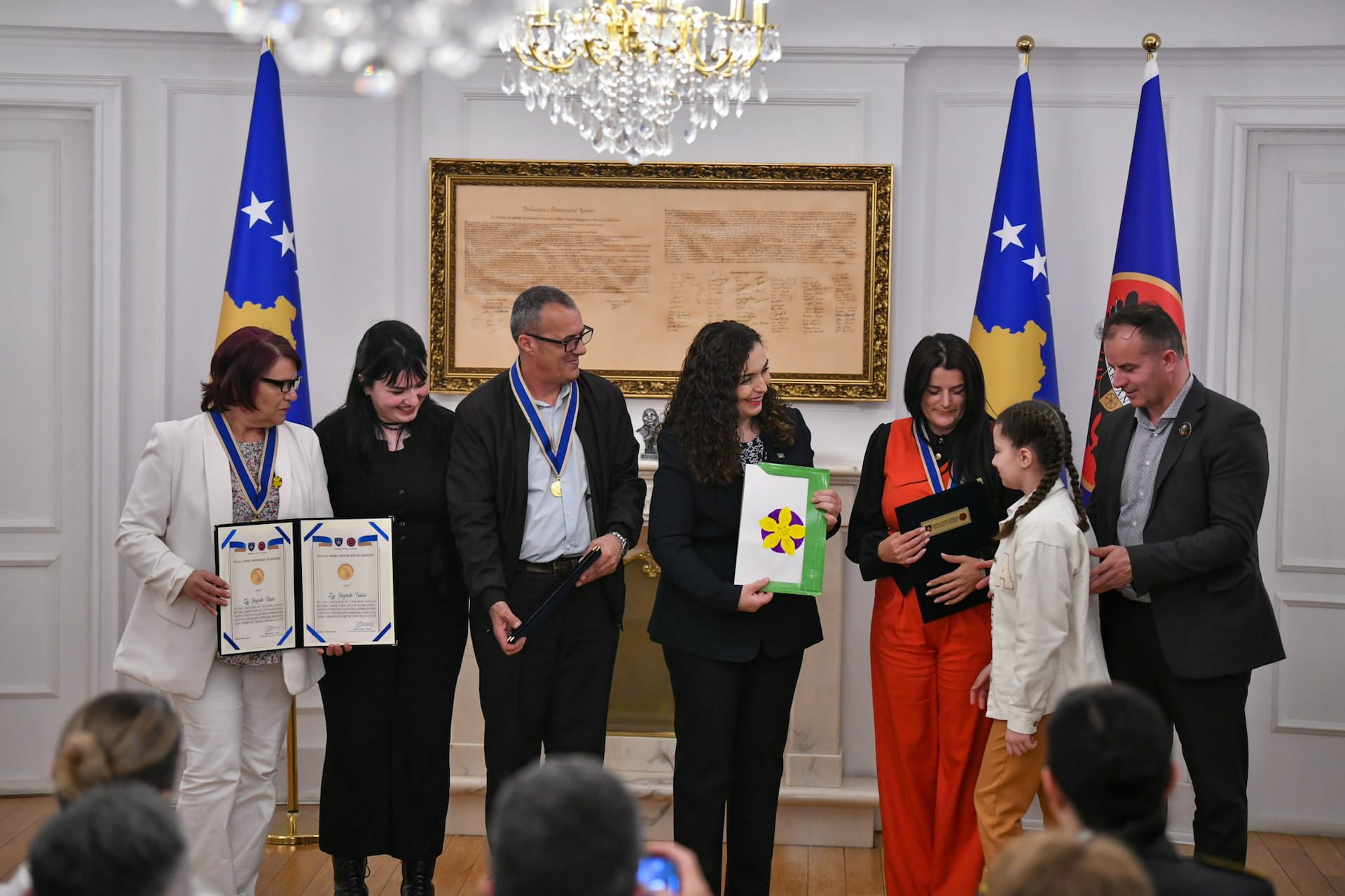
Although it is estimated that around 20,000 people were sexually assaulted, Shyretja is among the few who have spoken publicly about her experience. Photo: Presidency of Kosovo.
“He remembers it a bit, those heavy, terrible scenes,” she said. “He asked me about them later, when he was older, but I just made something up. I told him that there were soldiers who interrogated us,” said Fatmira, who did not identify herself by her real name.
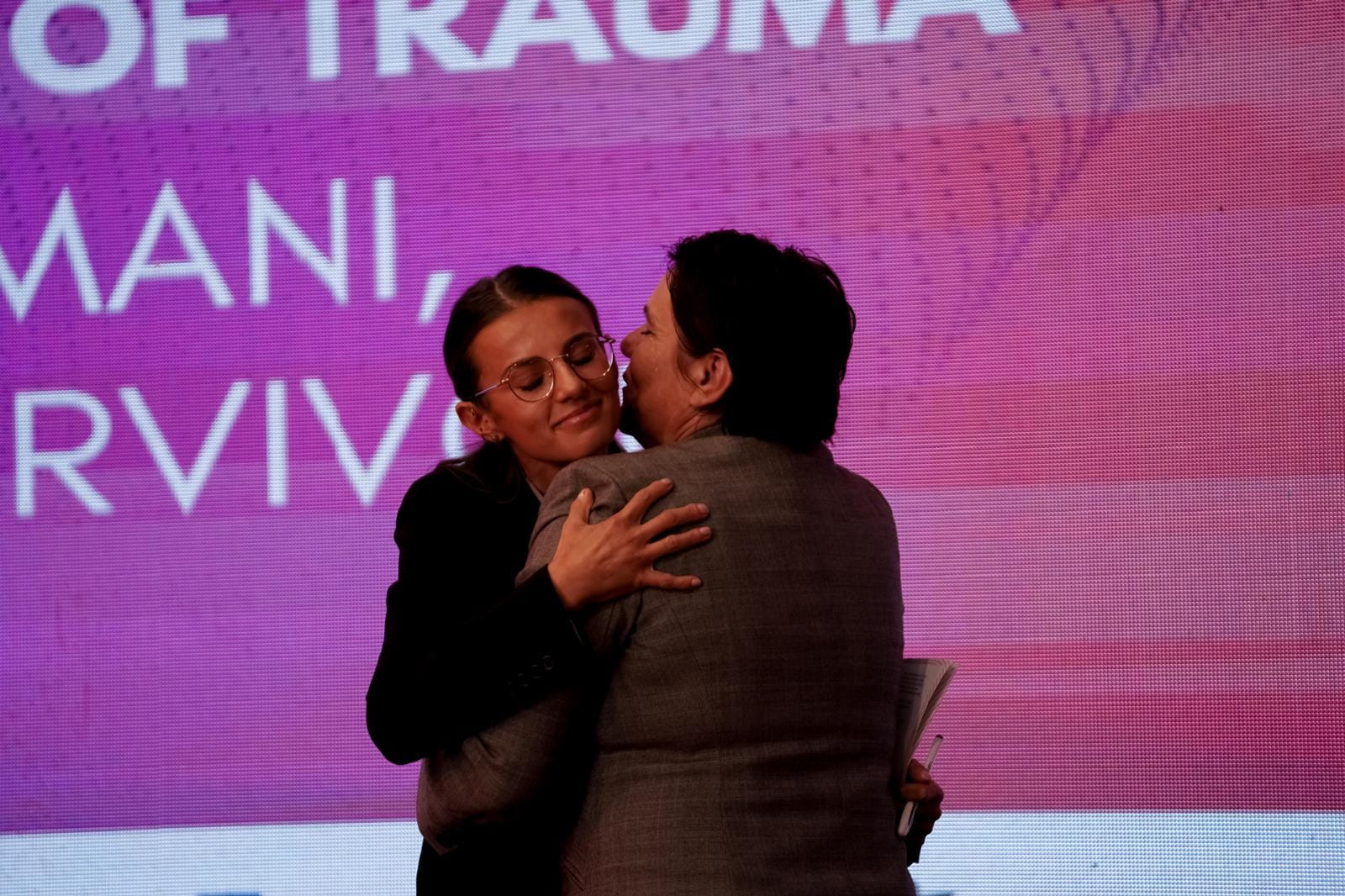
In October last year, Venesa spoke publicly about the trauma she experienced as a child and the violence she witnessed against her mother. Photo: Presidency of Kosovo.
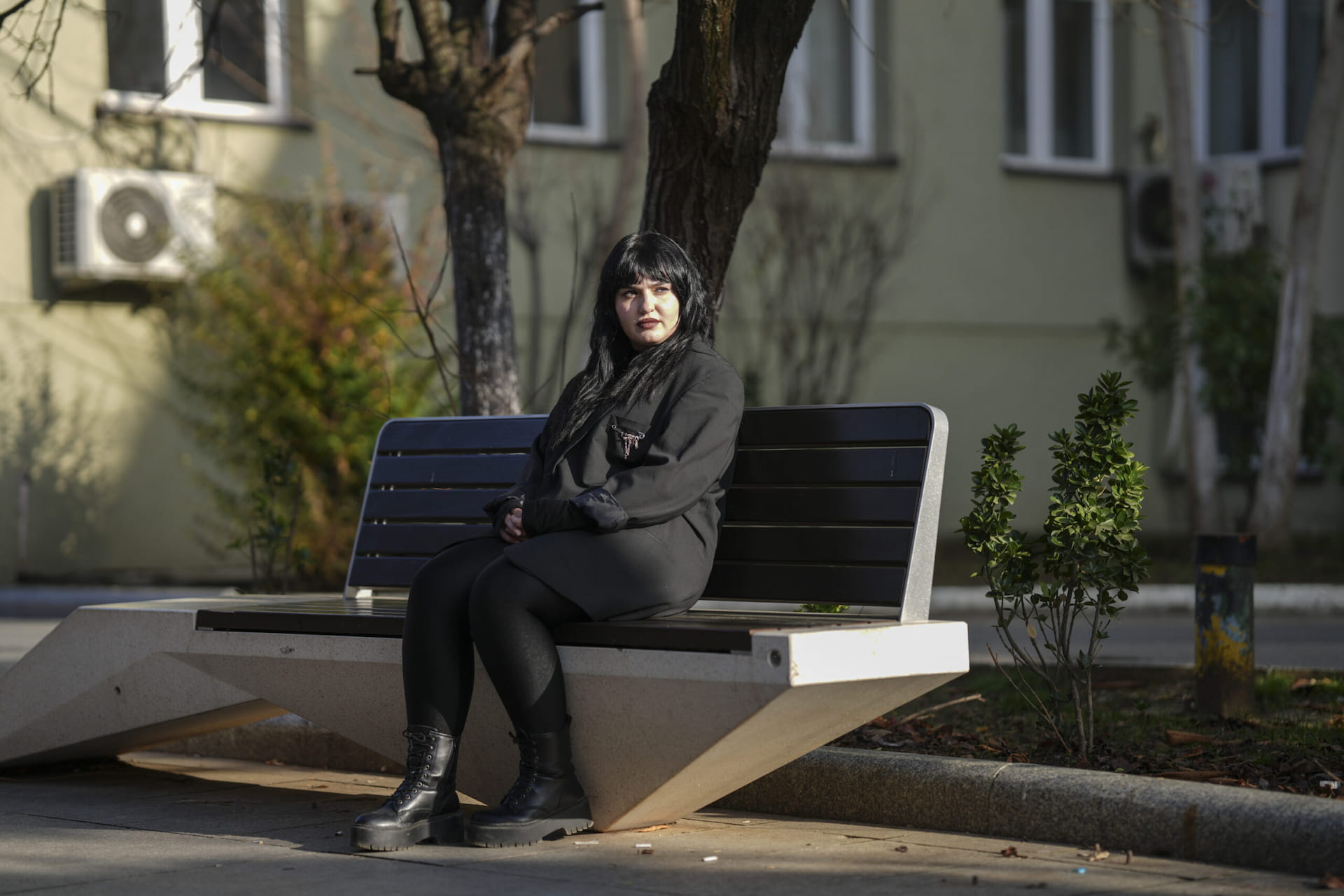
Flutura Nishori, 23, has come out in support of her father, Ramadan, the first man in Kosovo to openly share his experience of having been sexually abused during the war. Photo: Ervin Zogaj / K2.0
One of the most prominent consequences is the exchanging roles between the family.
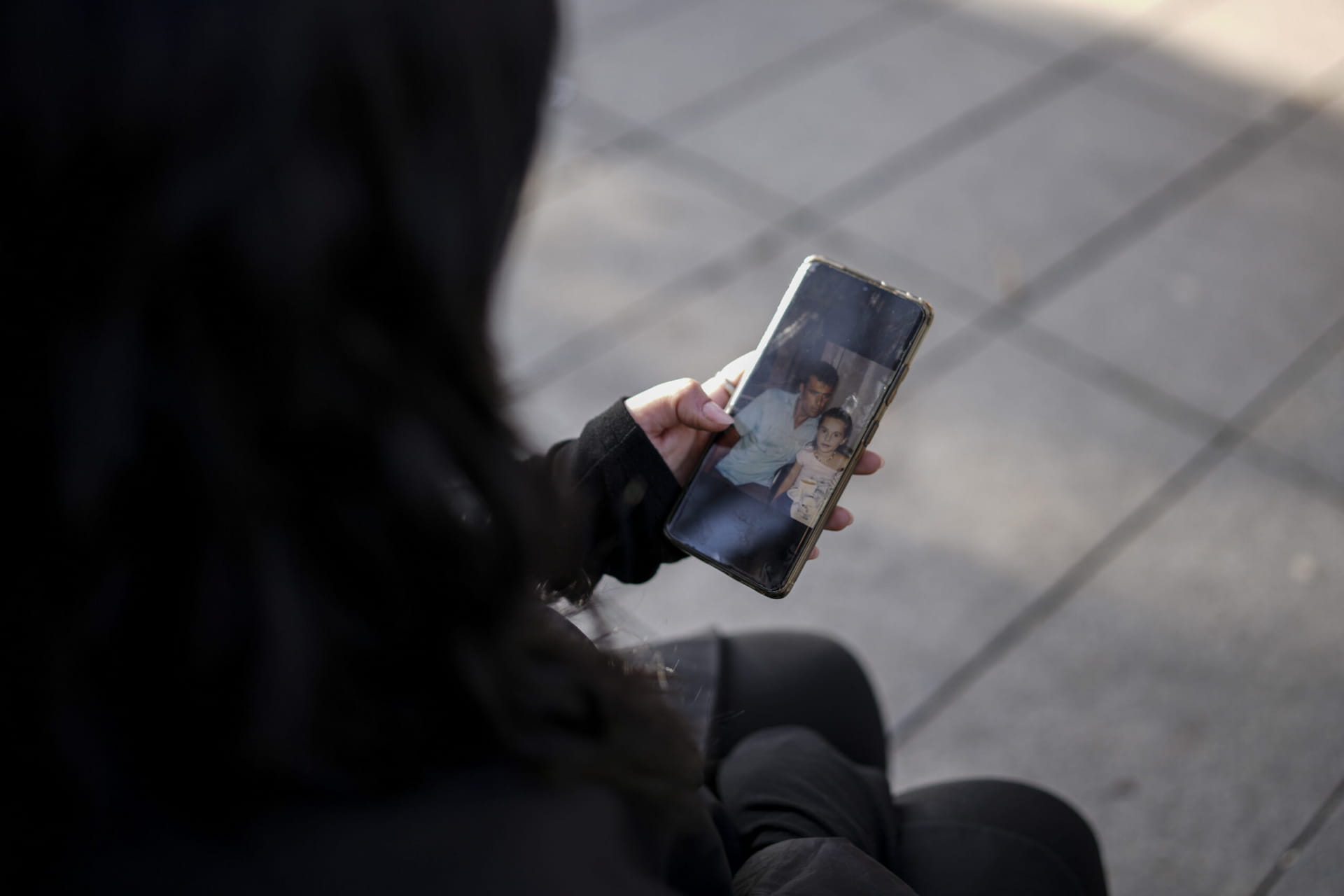
Flutura recalled a childhood where she was close to her father, but she felt that this closeness could never be experienced fully. Photo: Ervin Zogaj / K2.0.
In organizations that work with survivors of sexual violence, stories of children displaying reactions similar to those of their parents are not uncommon.
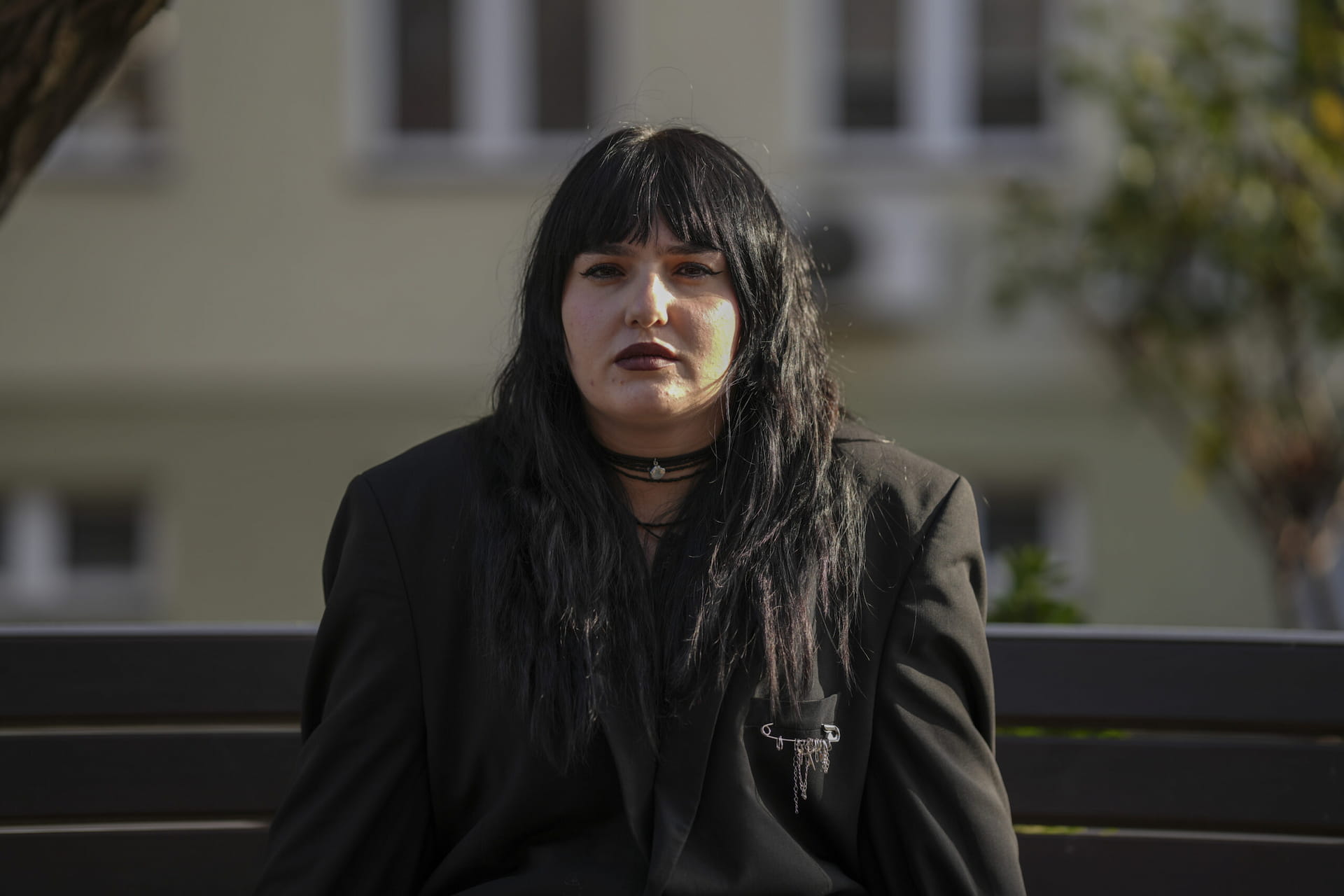
Flutura Nishori recalled having experienced anxiety since childhood, although at the time she did not understand where it came from. Photo: Ervin Zogaj / K2.0
“30% of those children have the likelihood of developing symptomatology similar to that of mothers who experienced the trauma of rape during the war, despite not having been part of the war at all,” said Feride Rushiti.
Activists from organizations working with survivors agree that psychological and economic support should be an integral part of public policies, and not remain solely the responsibility of non-governmental organizations.
Bubulina Peni
Bubulina Peni started her career in journalism in 2020 at a local television station in Kosovo. Later, she became an investigative journalist at KALLXO.com and Prishtina Insight. Currently, she works as a journalist on the production Familja Jonë, a weekly show dedicated to social welfare. Bubulina is a beneficiary of the sixth cycle of the K2.0 Journalism Scholarship.
This story was originally written in Albanian.