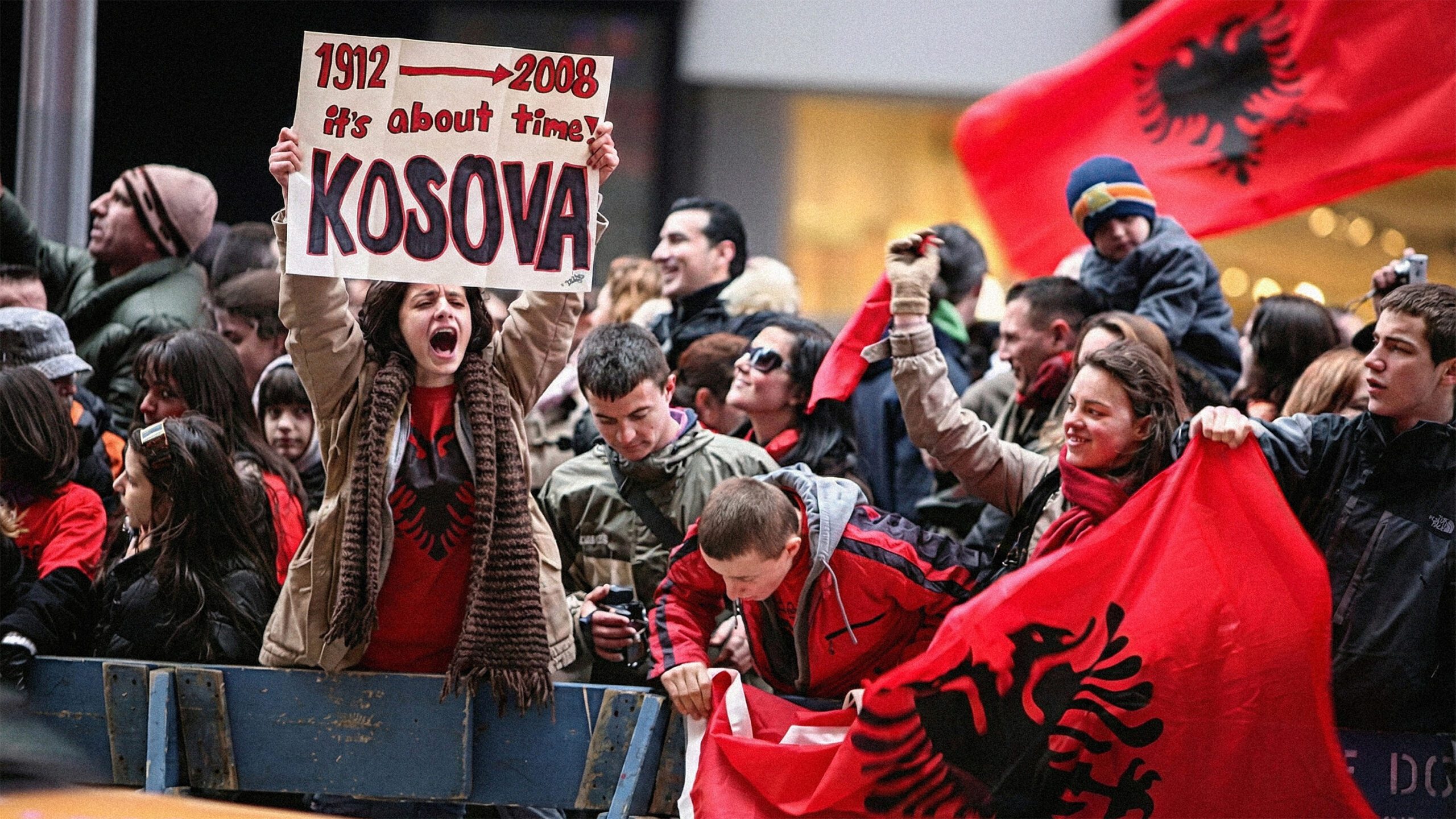
“Times Square closed so Albanians could celebrate”
The diaspora remembers February 17, 2008.
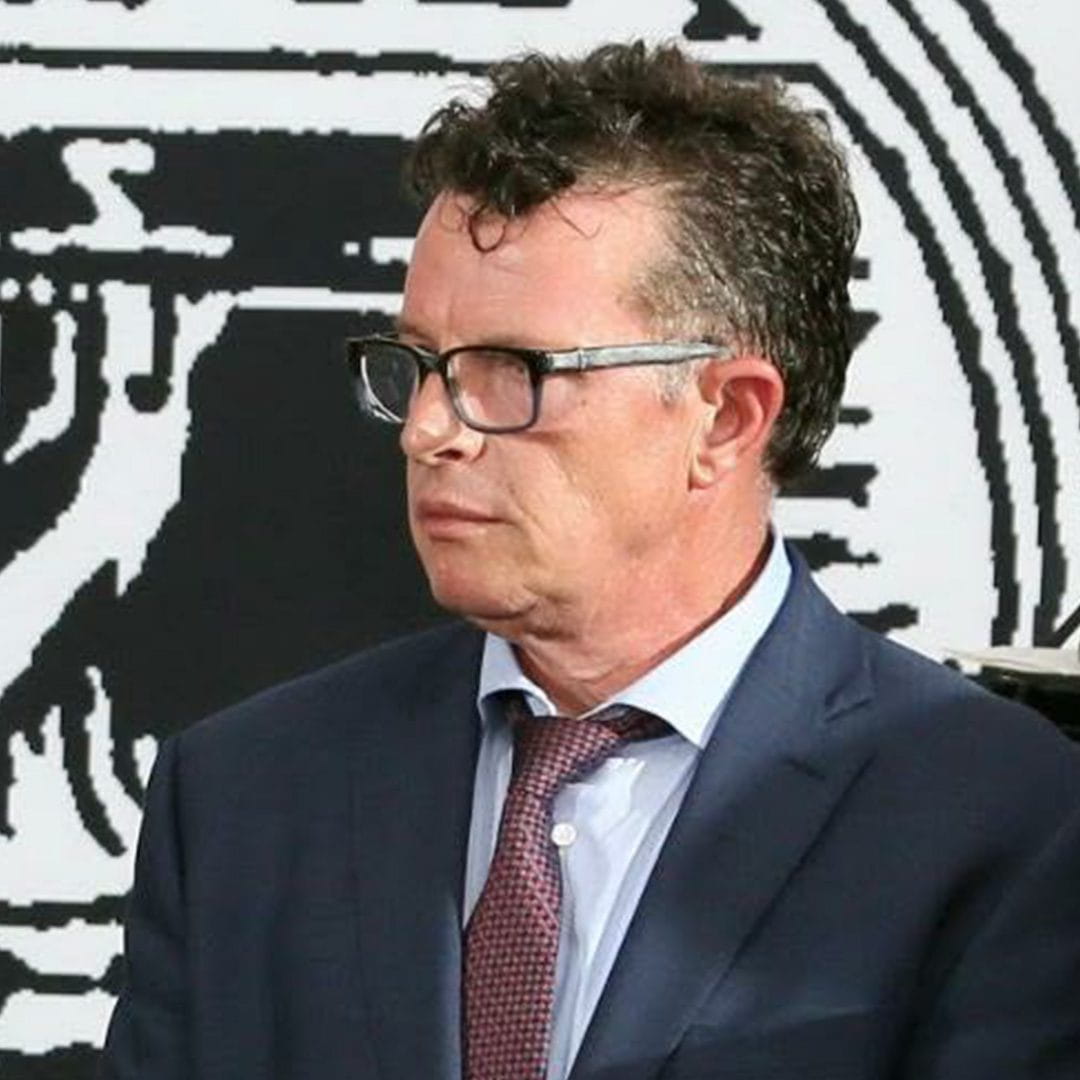
My departure from Kosovo was the result of political persecution. I was part of Jusuf Gërvalla’s organization, the National Liberation Movement for the Republic of Albanians in Yugoslavia, which aimed to unite the Albanian lands into a single republic. The reason I was arrested in 1982, at only 16 years old, was for organizing protests in Klina, as a student at the Luigj Gurakuqi high school. Although I was released, the period was still difficult because of deep isolation — because the repression was so severe, people were afraid to speak to me, friends avoided me and even changed their route sometimes just to avoid talking to me.
I always believed that Kosovo would one day become independent, but I did not know whether we would live to enjoy that day or whether it would belong to future generations.
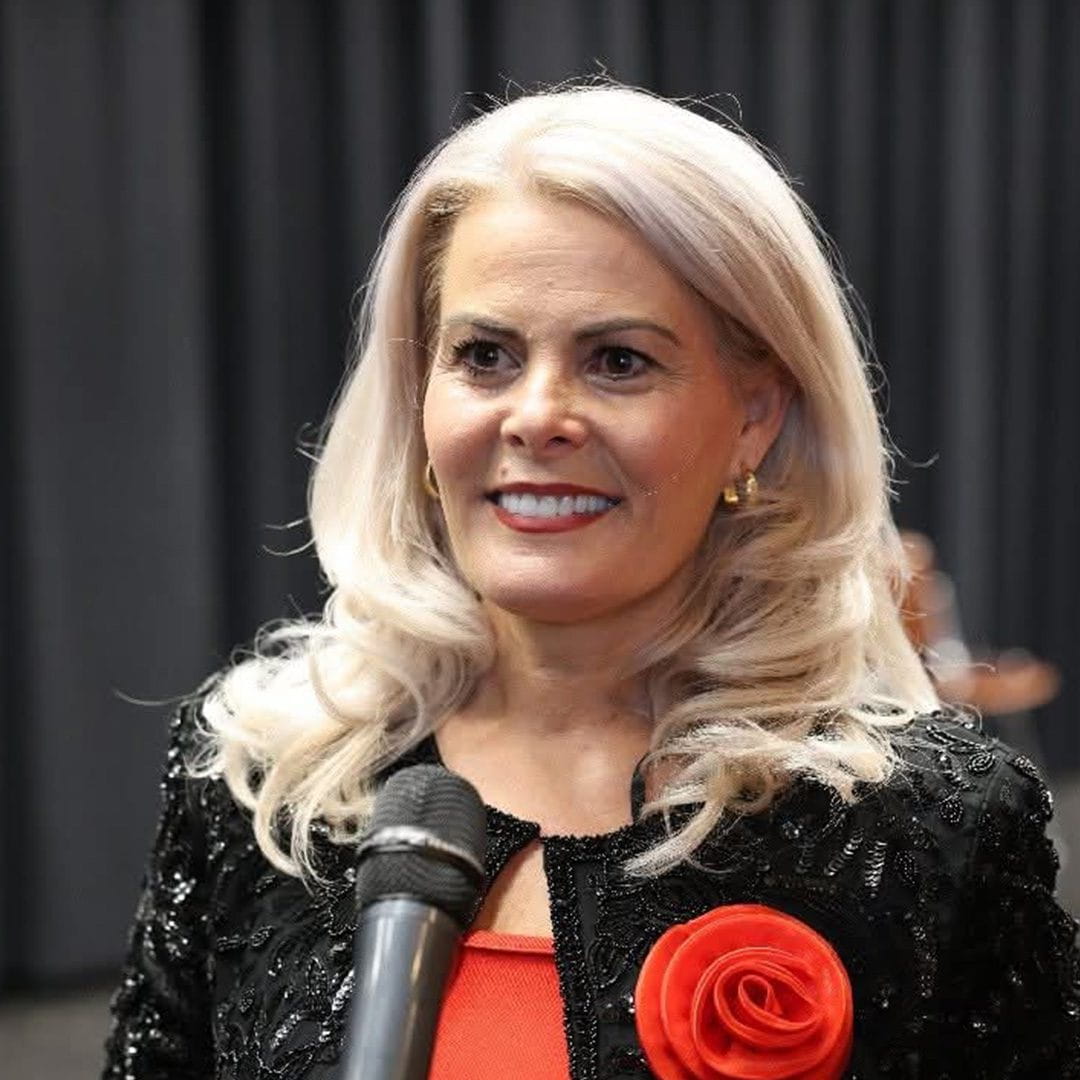
I left Kosovo for Switzerland in 1995, together with my fiancé. At that time, it was not a decision made solely from desire, but because of the circumstances we experienced in the years leading up to the war: political pressure from the Serbian occupation, the impossibility of living freely, of studying, of being independent as women and as individuals. My dream was to continue my studies and build a safer life. Switzerland, as a democratic country, offered us that opportunity, which we did not have in Kosovo at the time.Since arriving in Switzerland, I have lived in the same place, near Lausanne, in the canton of Vaud.
Even though we were not physically in Kosovo, we felt part of that day.
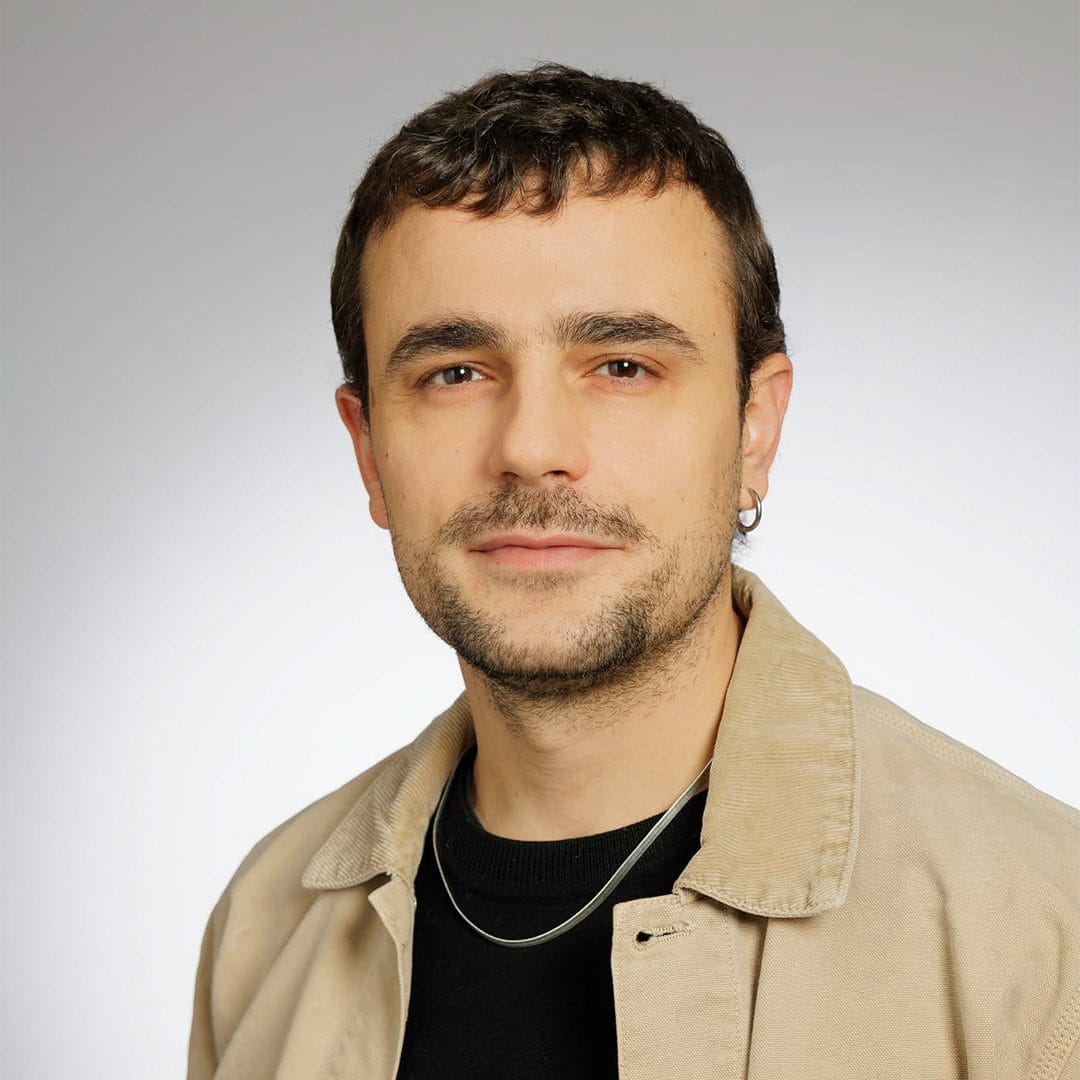
I left Kosovo in 1996, when I was 4 years old. Today, I live in Vevey, Switzerland, and I have been part of the diaspora for about 30 years.We left a few years before the 1999 war, in a context of great tension, both in Prishtina and in the village of Maxhunaj in Vushtrri, where I grew up. There was a general atmosphere of fear and repression. For more than ten years, I did not leave Switzerland at all, because our status as refugees did not allow us to travel, and we had no official documents. I returned to Kosovo was only as a teenager. I confronted the reality of what my parents had told me about Kosovo and what other members of the diaspora spoke of.
I remember being very scared because everything I had built in Switzerland — school, friends, football — I was not ready to leave behind.
I left Kosovo in 1989, when I was two years old. I live in Switzerland and have been part of the Albanian diaspora ever since we left Kosovo, because my father was dismissed from his job. As a child, my parents maintained connections with family in Kosovo as best they could: through phone calls, through VHS tapes sent from Switzerland to Kosovo and vice versa. After the war, communication became a little easier because we were free to return to the country for summer vacations. My siblings and I grew up, became teenagers and began building closer relationships with our cousins. At that time, we would write emails to each other.
I had something that most other [foreign] journalists did not have: I felt that I belonged to that country.
![I left Kosovo in the fall of 1992, believing that I was going to Germany only for a short time. Today, I live in the city of Wuppertal, Germany, and what was meant to be a temporary stay has become a lifetime in the diaspora.<br />
<br />
My departure was not an immediate decision. It all began in the late ’80s, when the pressure from the Serbian regime in Kosovo was increasing daily. After the protests of 1989 [against the suppression of Kosovo’s autonomy by Serbia], the occupier’s interference was everywhere — in factories, schools, hospitals and the police. One morning, I went to work as usual, but at the door of the factory I worked at, in Janjevë, the Lipjan municipality, we were met by Serbian police.](/_next/image?url=https%3A%2F%2Fadmin.kosovotwopointzero.com%2Fwp-content%2Fuploads%2F2026%2F02%2F3.jpg&w=1920&q=80)
I left Kosovo in the fall of 1992, believing that I was going to Germany only for a short time. Today, I live in the city of Wuppertal, Germany, and what was meant to be a temporary stay has become a lifetime in the diaspora.My departure was not an immediate decision. It all began in the late ’80s, when the pressure from the Serbian regime in Kosovo was increasing daily. After the protests of 1989 [against the suppression of Kosovo’s autonomy by Serbia], the occupier’s interference was everywhere — in factories, schools, hospitals and the police. One morning, I went to work as usual, but at the door of the factory I worked at, in Janjevë, the Lipjan municipality, we were met by Serbian police.
Even today, after all these years, my dreams always take me back there.
My parents left Kosovo due to the wider socio-political and economic situation unfolding at the time (the early to mid-1990s). People could not find a job or maintain a normal life. They were also new parents at the time, so they became increasingly worried about the humanitarian situation in Kosovo, and how this would affect their two growing children. They wanted to be able to live in a society where fundamental human rights were accessible for all, regardless of their identities, and so they felt compelled to leave, sensing that the situation would get worse, particularly when the wars in Bosnia and Croatia started.
We didn't know what to do with our excitement, and were constantly questioning how it was possible?
Valmira Rashiti
Valmira Rashiti has a bachelor’s degree in Law and Cultural Anthropology from the University of Prishtina.
This story was originally written in Albanian.