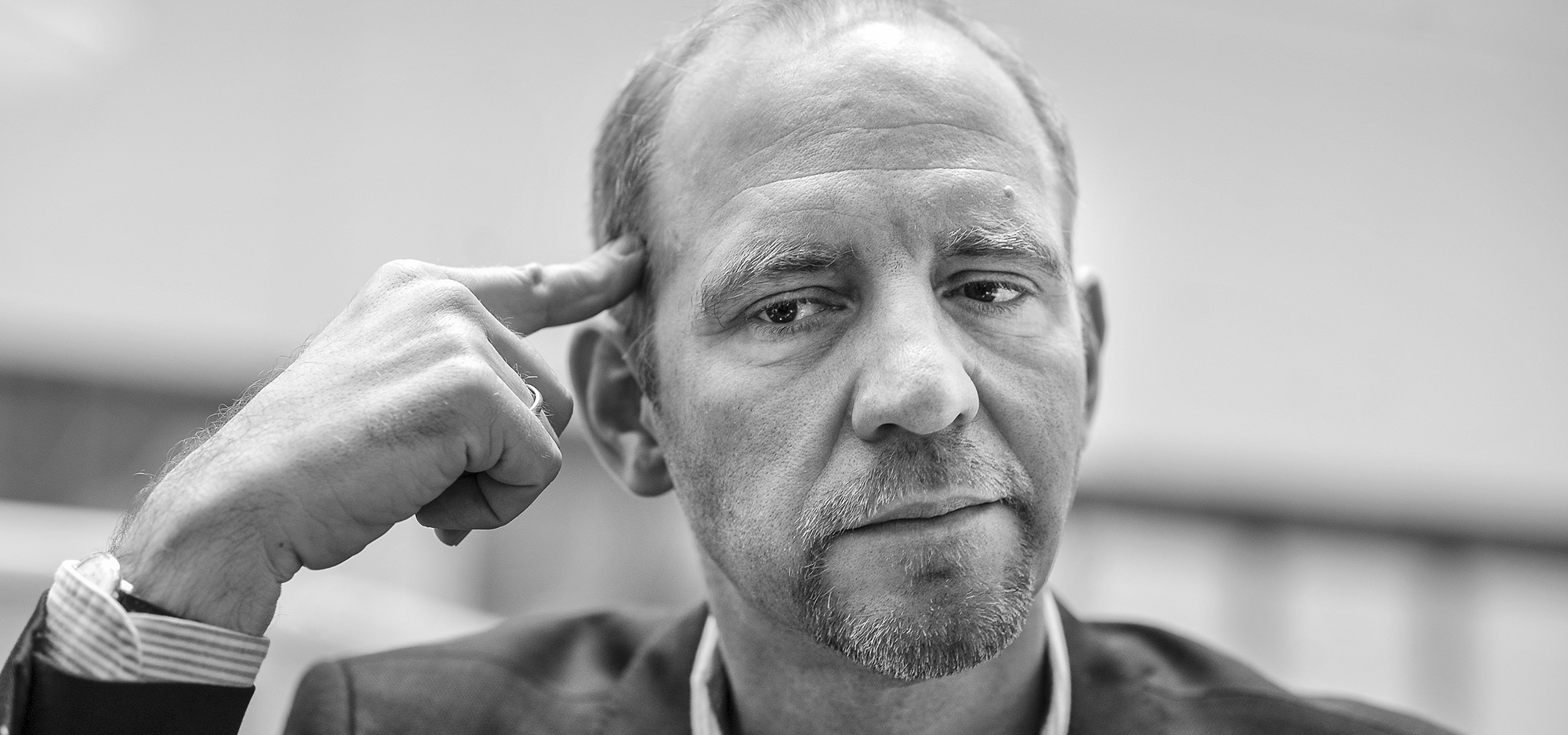
Florian Bieber: In some ways, the EU encourages regional autocrats
Leading academic on Western Balkans talks about constrained democracies, foreign influence and the potential for change.
One-on-one | EU
"If you were to have told the people back then that 15 years later only one country [Croatia] would have joined the EU, and the others could join in nearly 25 years after the Summit, people would say, ‘That’s not a success, its a failure!’"
"I would certainly argue that you cannot build functioning democracies with autocrats who are benevolent autocrats as it would seem [to be possible] by some outsiders."
"When a country joins the EU, nothing changes from day to day. A lot of benefits come before joining and afterwards, but gradually. There is this very destructive obsession with dates in the region."
"It has to say there is a state of Kosovo, which is an independent state, and which we will work with as a partner."
"Milo Đukanović's evolution has kept him in power. If he had been with Milošević he would be history by now. If he had been only a pro-American he also would not have survived."
"A high emphasis on ethnicity might be necessary at the end of the war, because of the polarization, but it doesn't mean it has to stay like that."
Eraldin Fazliu
Eraldin Fazliu is a former journalist at Kosovo 2.0. Eraldin completed his Master’s on ‘European Politics’ at the Masaryk University in the Czech Republic in 2014. Through his studies Eraldin became interested in the EU’s external policies, particularly in promotion of the rule of law externally. He is a passionate reader of politics and modern history.
This story was originally written in English.