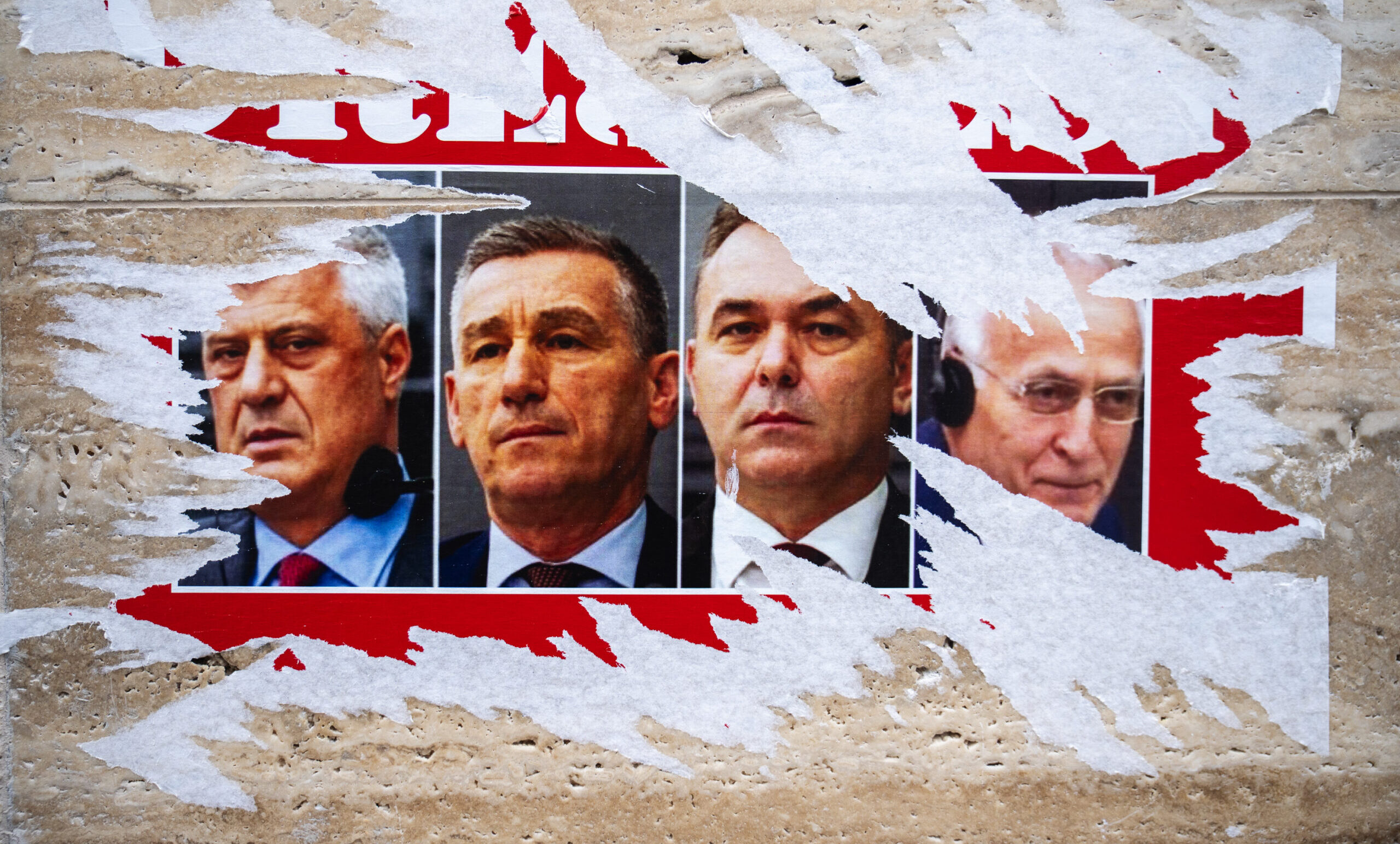
Former KLA leaders found guilty of war crimes
Beyond the judgment: K2.0 explains the case against the four former KLA leaders and the broader history of war crimes justice in Kosovo.

What were they accused of, what were they convicted of, and what were they found not guilty of?
The indictment alleged that Thaçi, Veseli, Selimi and Krasniqi bore individual responsibility for crimes committed from at least March 1998 until September 1999, in several areas of Kosovo, as well as in Kukës and Cahan in northern Albania. The indictment listed 102 people as alleged victims of murder, 20 of whom were also listed as alleged victims of enforced disappearance.
According to the indictment, all four were members of the KLA General Staff and held senior positions during the relevant period. Thaçi held political leadership roles; Veseli headed the intelligence service; Selimi held operational roles; and Krasniqi was a spokesperson and a member of the Political Directorate.
A central element of the Prosecution’s case was the allegation that the four participated in a “joint criminal enterprise” (JCE). The JCE was not a separate charge among the indictment’s ten counts, but rather a mode of liability through which the Prosecution sought to establish the accused’s criminal responsibility for the charged crimes, without having to prove that each accused personally committed every underlying act.
According to this premise, the common purpose of the alleged JCE was to gain and exercise control over all of Kosovo through means including intimidation, mistreatment, violence and the removal of people deemed opponents. According to the indictment, this category included people suspected of being collaborators of Yugoslav or Serbian forces, as well as those perceived as not supporting the KLA’s goals or methods. They included Albanians, including those linked to the Democratic League of Kosovo (LDK), as well as Serbs, Roma and members of other ethnic communities.
The six counts of crimes against humanity were persecution, imprisonment, other inhumane acts, torture, murder and enforced disappearance of persons. All four were found not guilty on these six counts because the Prosecution failed to prove beyond a reasonable doubt that the crimes formed part of a widespread or systematic attack directed against a civilian population.
The four war crime counts were arbitrary detention, cruel treatment, torture and murder. The Trial Panel found all four guilty on these counts, while finding them not guilty of several specific alleged incidents.
The initial indictment against Thaçi, Veseli, Krasniqi and Selimi was confirmed in October 2020 and made public in November of that year. At the beginning of November 2020, all four complied and were transferred to the Kosovo Specialist Chambers’ detention facilities in The Hague. All four pleaded not guilty.
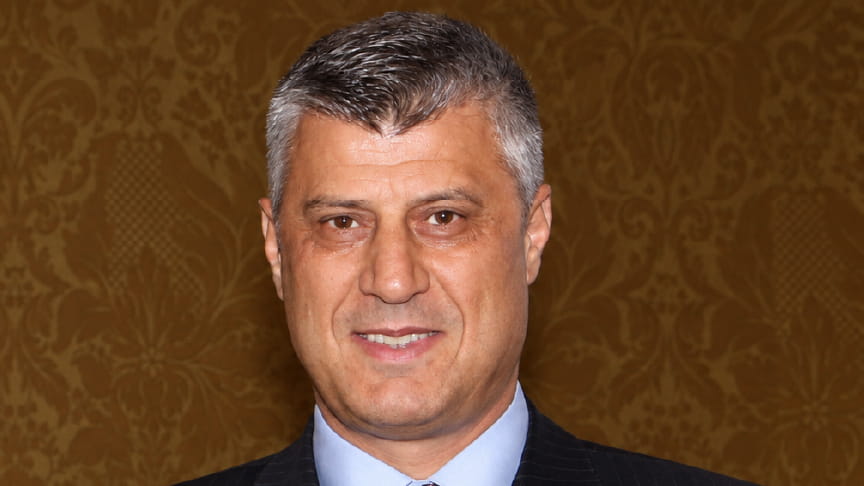
Hashim Thaçi
Hashim Thaçi had been the director of the KLA Political Directorate during the period covered by the indictment for which he was charged by the Specialist Chambers. After the war, as leader of the Democratic Party of Kosovo (PDK), Thaçi held various positions, including prime minister, foreign minister and, later, president of Kosovo. In 2020, Thaçi resigned as president following the confirmation of the indictment by the Specialist Chambers.
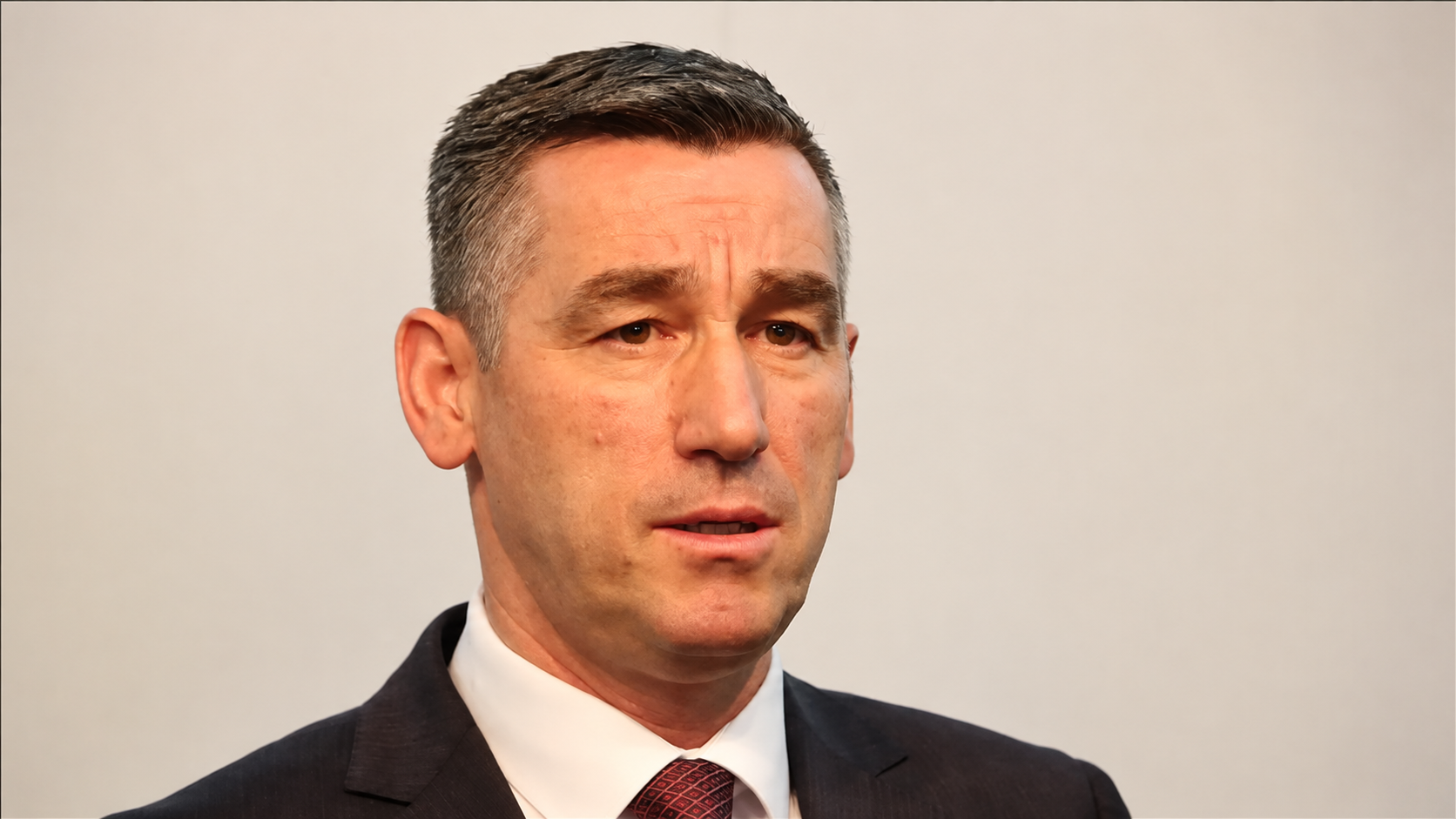
Kadri Veseli
Kadri Veseli was a member of the KLA Political Directorate and head of its intelligence service during the period covered by the indictment. While Thaçi was president, Veseli took over the leadership of the PDK and, from 2014 to 2019, served as Speaker of the Assembly of Kosovo.
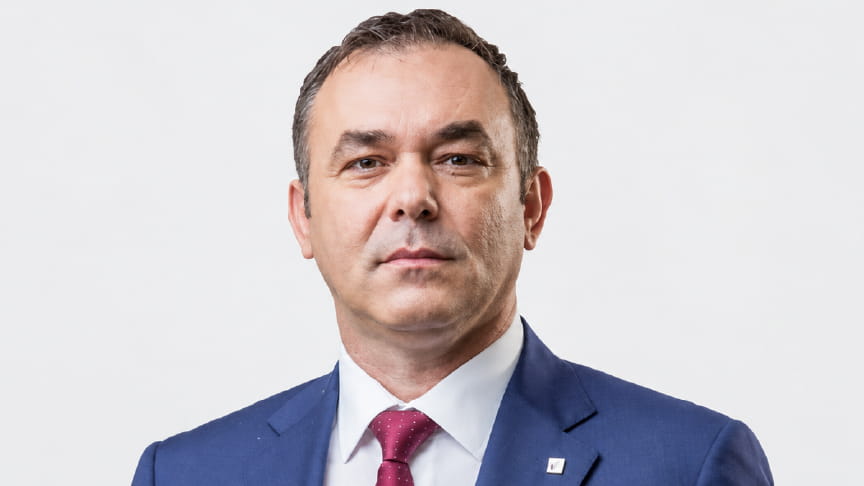
Rexhep Selimi
Rexhep Selimi was head of the KLA Operational Directorate during the period covered by the indictment. He later served as the KLA’s inspector general and, by the end of March 1999, as minister of internal affairs in the Provisional Government of Kosovo. After the war, Selimi served in the Kosovo Protection Corps (KPC) and later, for several parliamentary terms, served as an MP for Vetëvendosje (VV).
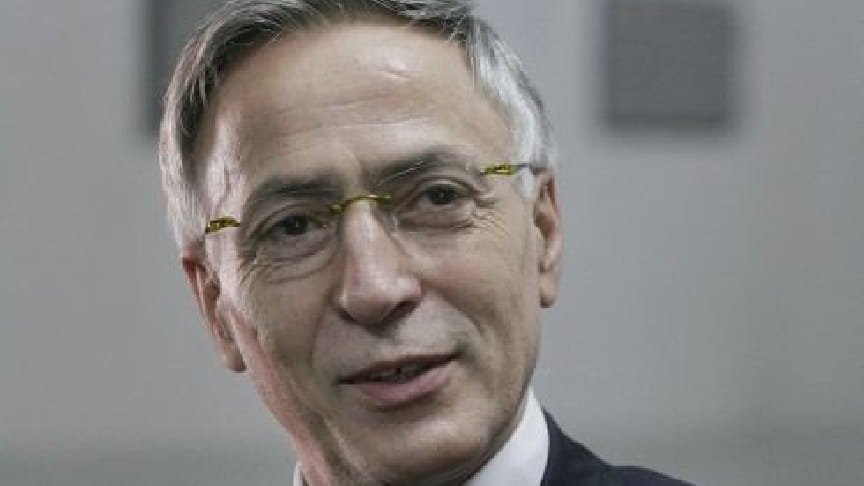
Jakup Krasniqi
Jakup Krasniqi was a member of the KLA Political Directorate and later also served as its official spokesperson during the period covered by the indictment. Later, in 1998, he was appointed deputy commander of the KLA. After the war, Krasniqi held several political positions and, from 2007 to 2014, served as speaker of the Assembly of Kosovo.

Understanding Kosovo’s ‘special court’
Specialist Chambers and Specialist Prosecutor’s Office explained.


Specialist Chambers should learn from past experiences on witness testimonies
Why Rule 155 may be about to enter our daily discourse.
Read also:
Perspectives
A museum of humanity, a funeral for hate and the hollowness of “European values”
Nidzara AhmetasevicThe Tribunal prosecuted individuals rather than states, armies, political parties or ethnic groups. Its judgments could nevertheless make findings about organized operations, campaigns and policies involving state institutions, military forces and other structures. Criminal responsibility, however, had to be established individually for each accused.
The ICTY was therefore not a “court for Serbia,” a “court for Bosnia” or a “court for Kosovo.” Even where judges found that crimes formed part of an organized campaign or operation, they still had to determine the individual criminal responsibility of each person on trial.
Overall, the Tribunal indicted 161 people, of whom 93 were sentenced, 18 were acquitted and 13 individuals had their cases referred to national jurisdictions for trial.
Among those indicted were nine senior Yugoslav and Serbian officials for crimes alleged to have been committed in Kosovo by FRY and Serbian forces in 1999. The charges included deportation, other inhumane acts in the form of forcible transfer, murder and persecution as crimes against humanity, as well as murder as a violation of the laws or customs of war. Six of the nine were ultimately convicted.
Six of the nine officials were tried together in the case that later became known as “Šainović et al.” Nikola Šainović, then deputy prime minister of the FRY and one of Slobodan Milošević’s closest associates, was initially sentenced to 22 years’ imprisonment for deportation, forcible transfer, murder and persecution. On appeal, his sentence was reduced to 18 years. Milan Milutinović, then president of Serbia, was acquitted on all counts.
Nevertheless, the number of people convicted remained small compared with the scale of the crimes. According to an analysis by the Humanitarian Law Center (HLC) in Belgrade, as of 30 November 2024, Serbia’s War Crimes Prosecutor’s Office had indicted 59 people for crimes committed in Kosovo. Of these, 13 had been convicted by final judgment, and 25 had been acquitted. The figures include defendants from both sides of the conflict, not only members of Serbian forces.
According to HLC estimates, at least 8,000 Albanian civilians were killed during the war. Yet, in all proceedings concluded before Serbian courts, criminal responsibility had been established for the killing of only 77 Albanian civilians.
The HLC has also criticized the fact that trials in Serbia have focused primarily on direct perpetrators and lower-ranking members of the forces involved. The chain of command, the organization of operations and the role of senior officials have not been fully addressed. Convictions of senior political, military and police officials for crimes committed against Kosovo Albanians were handed down mainly by The Hague Tribunal rather than by Serbian courts.
The HLC also found that, between 2014 and 2024, Serbia’s War Crimes Prosecutor’s Office did not bring a single new indictment, based on a newly opened investigation, for crimes against Kosovo Albanians. During the same period, however, it brought nine indictments against nine Kosovo Albanians who had been arrested in Serbia, for alleged crimes against Serbs.
What did UNMIK do in Kosovo?
After the war, Kosovo’s judicial system was largely in ruins. The United Nations Interim Administration Mission in Kosovo, known as UNMIK, had authority over the administration of justice and, beginning in 2000, introduced international judges and prosecutors into Kosovo’s courts. These courts handled cases involving war crimes and post-war violence against both Albanian and Serbian defendants.
However, a large number of cases remained unresolved. In 2008, Amnesty International described UNMIK’s program as having failed to end impunity. The organization identified delayed or incomplete investigations, evidence that had not been collected promptly, inadequate witness protection and limited progress in building local capacity. According to Amnesty, crimes of sexual violence were almost entirely left out of criminal prosecutions.
What changed with the arrival of EULEX?
The EU Rule of Law Mission in Kosovo, known as EULEX, became operational in 2008 and took over a number of responsibilities from UNMIK. It was not a separate tribunal, as its judges and prosecutors worked within Kosovo’s judicial system, often on mixed panels with local judges.
The mission inherited around 1,200 war crimes cases from UNMIK. In 2012, Amnesty International said that EULEX was not giving these cases the necessary priority and that the investigative capacity of its unit was sufficient for only two or three cases a year.
According to the mission itself, from 2008 until March 2017, only 38 war crimes cases had progressed from investigation to the final stage of judicial proceedings. But this pace was not enough to address the number of inherited case files.
In June 2018, EULEX’s executive mandate in the justice sector came to an end. Kosovo’s institutions assumed responsibility for the investigations, prosecutions and trials transferred from the mission, while EULEX continued mainly with monitoring, mentoring and advisory functions, alongside some limited executive responsibilities.
According to an analysis by the Humanitarian Law Center Kosovo, UNMIK prosecutors filed 10 war crimes indictments against 23 people: 19 Albanians, three Serbs and one Montenegrin. Meanwhile, EULEX prosecutors filed 22 indictments against 52 people: 39 Albanians, 11 Serbs, one Montenegrin and one person categorized as belonging to the Roma, Ashkali and Egyptian communities.
The Humanitarian Law Center recorded a total of 39 people who were ultimately convicted: 38 in decisions issued under the jurisdiction of EULEX judges and one by an UNMIK judge. Of these, 34 were Albanians, four were Serbs and one was Montenegrin.
One partial explanation for the much lower number of convicted Serbs is that many defendants were never brought before Kosovo’s courts. Of the 44 Serbs indicted during the entire 1999–2018 period, 24 were listed as being at large; 13 were acquitted, four were convicted and three still had ongoing proceedings.
What about Kosovo’s courts?
Local courts and prosecutors inherited old case files, incomplete evidence and cases involving suspects living outside Kosovo. The lack of legal cooperation with Serbia made it more difficult to obtain evidence and documents, question witnesses and bring defendants before Kosovo’s courts.
Nevertheless, the number of proceedings increased over time. According to the Humanitarian Law Center Kosovo, during 2024, criminal proceedings were at various stages in 34 cases against 98 members of Serbian forces and in one case against two former KLA members. These included 14 indictments in absentia against 72 members of Serbian forces.
Trials in absentia allow Kosovo’s institutions to proceed with cases when defendants cannot be apprehended. However, they also raise concerns about the right to defense and the enforcement of judgments, particularly if Serbia does not surrender convicted persons.
Beyond the Trial: A deeper distrust
As the Trial Panel of the Specialist Chambers sentenced the four former KLA leaders, opposition to the decision emerged almost immediately in Kosovo. The slogan, “Not in my name” began circulating on social media within minutes, reflecting a broader sentiment that many citizens have held toward the court since its establishment.
Opposition to the Specialist Chambers has never been confined to views expressed in the media or statements by political parties. Over the years, it has also been expressed through sustained public mobilization, from protests organized by veterans’ organizations to symbolic actions in public spaces.
In recent months, this mobilization intensified around the “Liria ka Emër” (“Freedom has a Name”) platform. At the end of August, the platform installed a “Waiting Clock” in Prishtina and other municipalities across Kosovo, counting down to 10:00 on September 16, while commemorative nights were also organized in KLA’s former operational zones.
The mobilization culminated in the September 12 march, when thousands of people took to the streets of Prishtina alongside representatives of the country’s main political parties. On the evening before the judgment, citizens gathered again in the capital’s main square, where a large screen displayed portraits of the four accused. Support rallies were also held in Skënderaj, Mitrovica and Skopje, and a considerable number of members of the diaspora had already traveled to The Hague.
For a large part of Kosovo’s Albanian population, the very existence of the Specialist Chambers and the trial of former KLA leaders is perceived as part of a long-standing injustice –– a perception that predates this process and is linked to the way the court was established, the focus of its prosecutions and unmet expectations of justice for victims of the war.
This distrust is also linked to the perceived “ethnic” character of the Specialist Chambers. For a part of Kosovo’s Albanian population, the focus of proceedings on former Albanian members of the KLA creates the impression that a special mechanism was established to seek accountability from only one side of the war, while many of the crimes committed by Serbian forces remain unpunished. In this context, the term “ethnic” reflects a perception about the focus of the prosecutions and the composition of the defendants, although the Specialist Chambers’ legal mandate is not formally limited by ethnic affiliation.
The political and symbolic significance of the accused also contributes to this perception. Thaçi, Veseli, Krasniqi and Selimi were leading figures of the KLA and, after the war, held important political and institutional positions. For many Kosovo Albanians, the liberation struggle against Serbian state repression remains associated with them. This has contributed to their trial also being perceived as a trial of the war itself, fuelling concerns that the convictions could tarnish its history or be used to “equate” responsibility for the violence of that period. The Specialist Chambers, however, has repeatedly stressed that criminal responsibility before the court is individual and that the KLA as an organization is not on trial.
This concern takes on an added weight against the backdrop of unfinished justice for crimes against Kosovo Albanians. The Hague Tribunal convicted senior Yugoslav and Serbian officials for war crimes in Kosovo, but these proceedings did not exhaust criminal accountability for the crimes committed. An analysis by the Humanitarian Law Center (HLC) also documents what it describes as the political relativization of responsibility for war crimes in Serbia. For those who view the Specialist Chambers proceedings as unjust, the international attention given to former KLA leaders stands in contrast to this wider accountability gap. From this perspective, the creation of a special mechanism to address allegations against KLA members can reinforce the perception that justice has been pursued unevenly across different groups of victims.
Feature Image: Ferdi Limani / K2.0
Dafina Halili
Dafina Halili is a senior journalist at K2.0, covering mainly human rights and social justice issues. Dafina has a master’s degree in diversity and the media from the University of Westminster in London, U.K..
Gentiana Paçarizi
Gentiana Paçarizi is a journalist and holds a master’s degree in Journalism and Public Relations from the University of Prishtina “Hasan Prishtina.” She served as Managing Editor at K2.0 from 2022 to 2026.