Public daycares with no openings
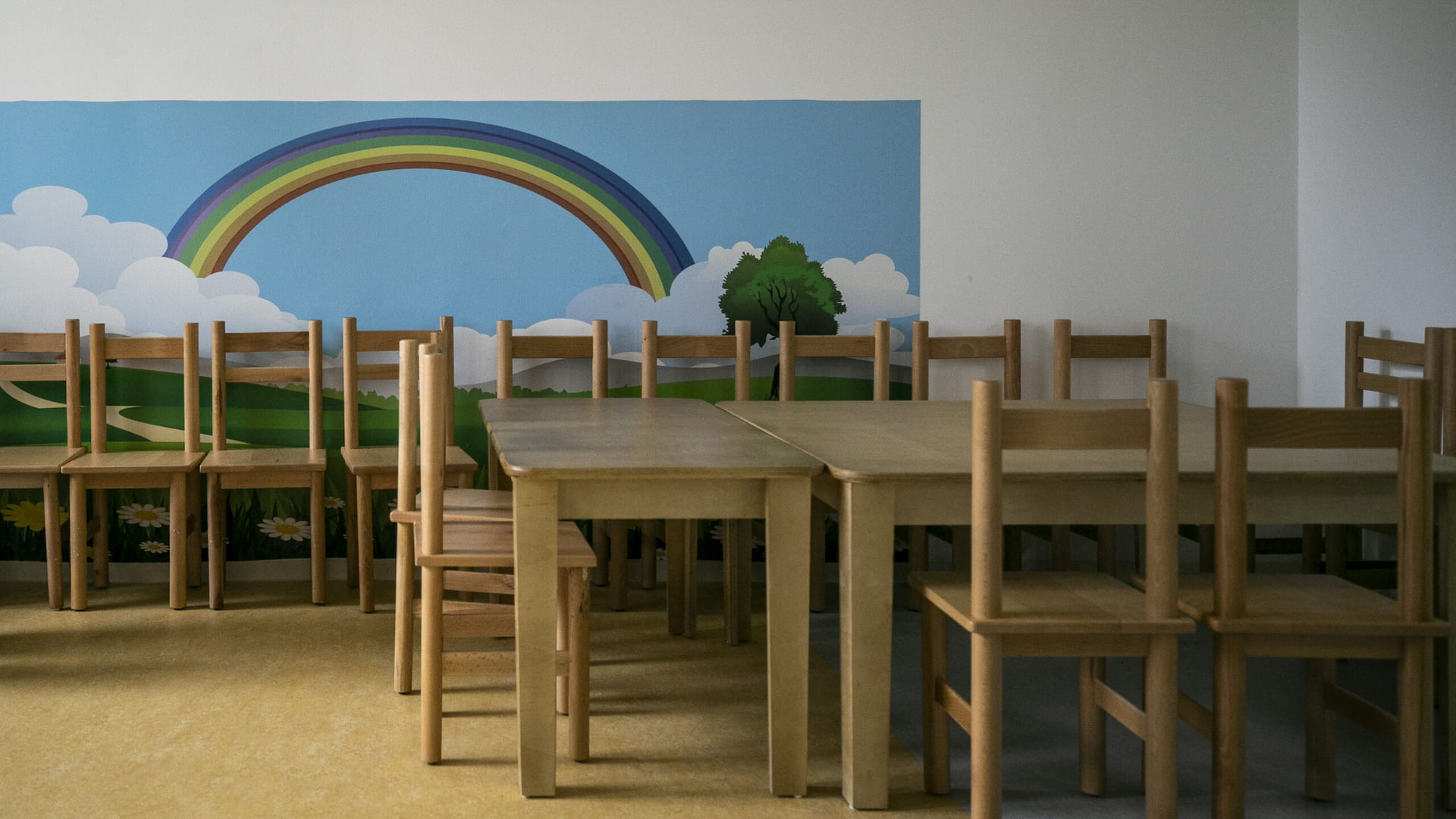
Amid a shortage of places and high demand, many chdren are left without access to public daycare.
Of the 339 places in total, 200 — more than 50 percent — were for children aged one to two.
In a K2.0 investigation for the 2019–2020 school year, data collected from 32 municipalities showed that more than 985 children were rejected by public preschool institutions due to limited capacity. In Prishtina alone, 372 applications had been rejected by the city’s eight public institutions. Meanwhile, when K2.0 asked municipalities whether they needed additional capacity, none of the 23 municipalities that responded had enough places. Collectively, they estimated that they needed at least 84 additional public preschool institutions.
Five years later, the problem remains evident across the country. According to MESTI data for 2023–2024, analyzed by K2.0, only 8.9% of the 107,710 children under the age of five were enrolled in preschool education. There were only 62 public daycare centers across Kosovo, while nine cities had none at all. Alongside them, around 177 private preschool education institutions were operating.
This has made public daycare a prominent issue in election campaigns and a key electoral promise. In local elections, political entities and mayoral candidates regularly return to the promise of expanding preschool capacity — from building new facilities and opening daycare centers in every neighborhood to showcasing renderings of what new public daycare centers will look like. Despite the promises, which change from one election cycle to the next, the problem itself remains persistent: public daycare capacity falls short of meeting citizens’ needs and demands.
In addition to public and private institutions, Prishtina also has a third model: community-based daycare centers. This model was implemented in 2015, when the capital opened its first such daycare center, following a year of municipal preparations. These daycare centers are not part of the annual application call for the nine public institutions and operate under a different management and funding model.
For families who are unable to enroll their children in public daycare centers, one alternative is private daycare; others rely on grandparents, relatives or other forms of childcare.
Dafina Halili
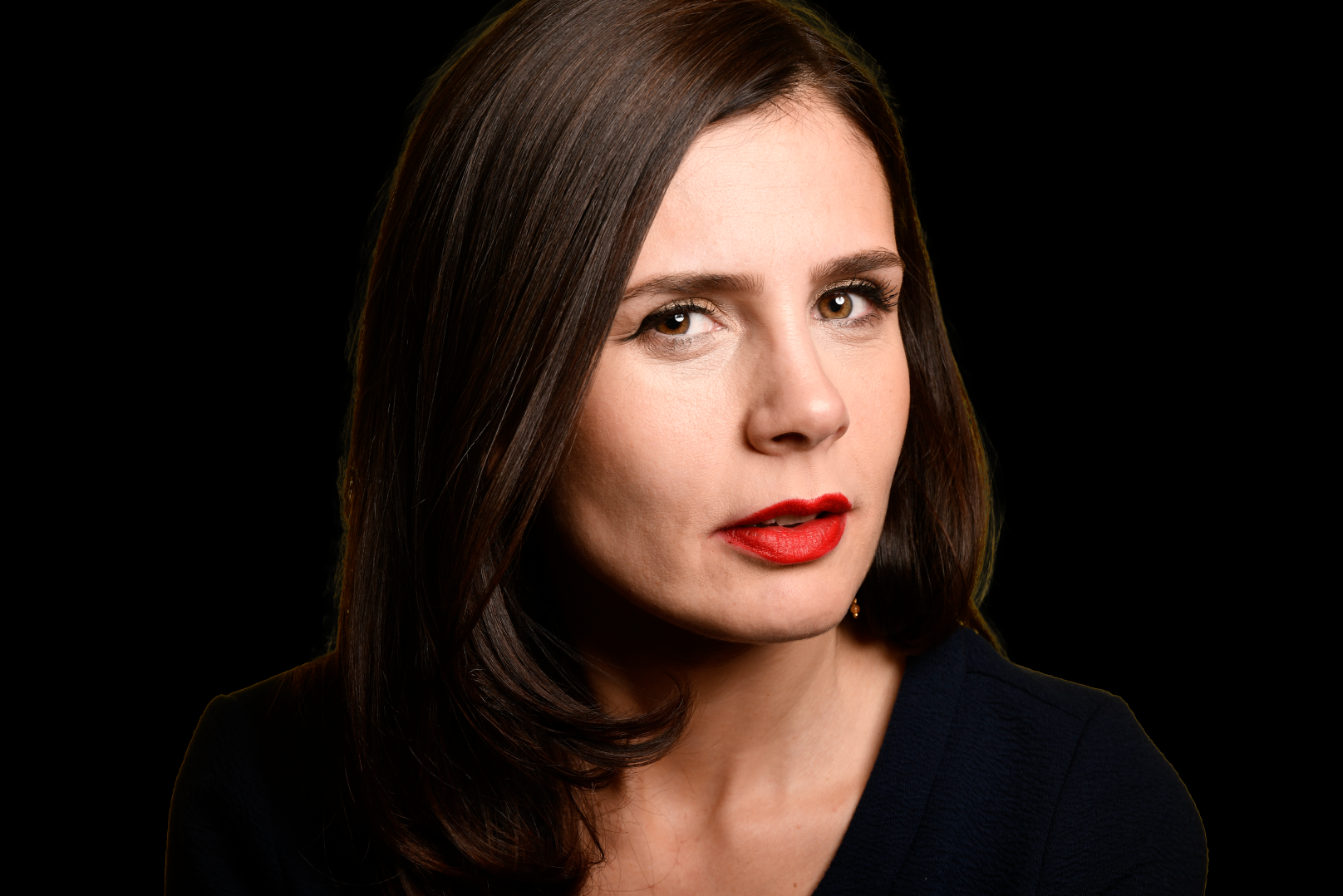
Dafina Halili is a senior journalist at K2.0, covering mainly human rights and social justice issues. Dafina has a master’s degree in diversity and the media from the University of Westminster in London, U.K..