The (de)institutionalization of mental health
A mental health system at the crossroads of community and isolation.
Mental Health Institutions
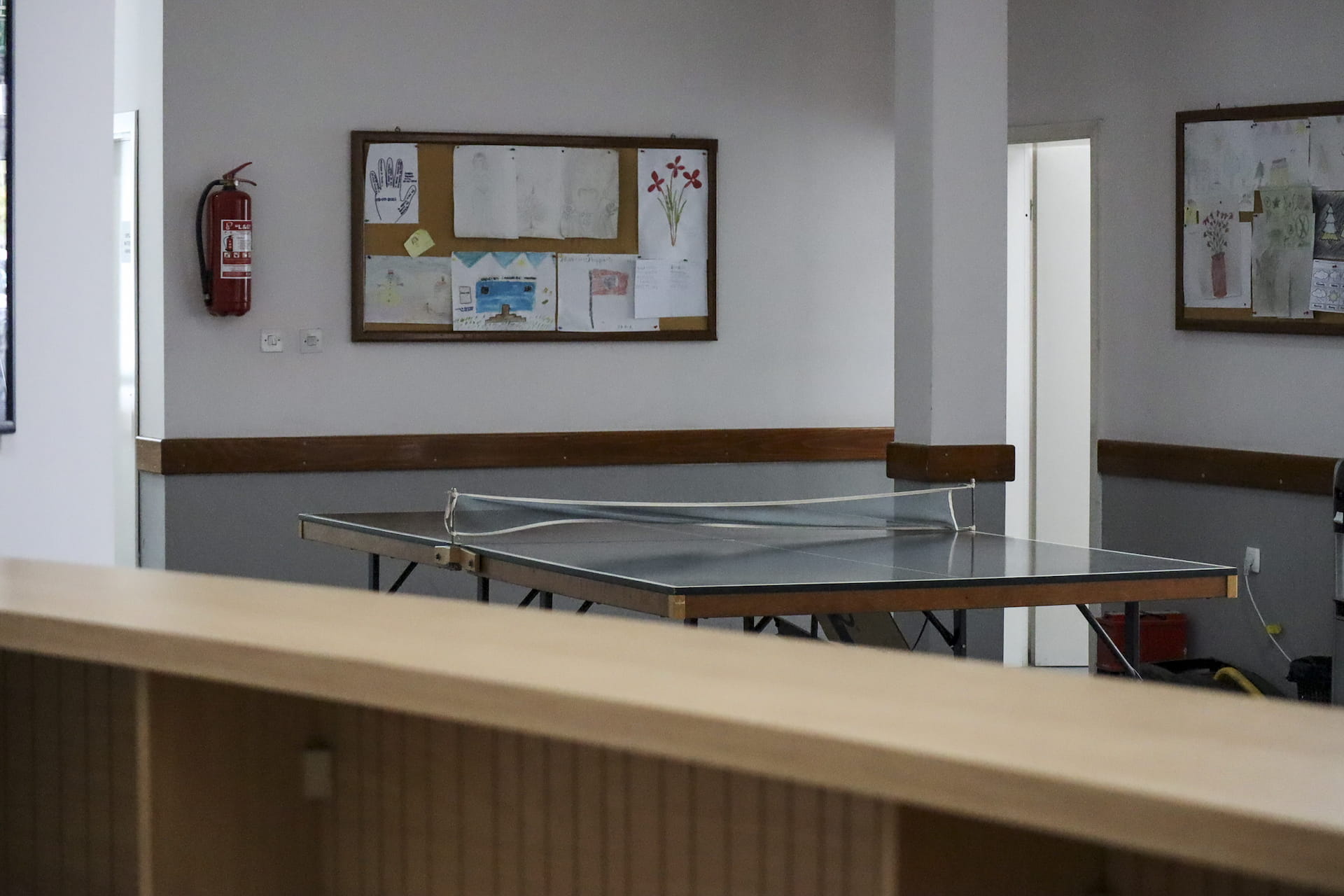
Unlike residential institutions, MHCs offer daily visits that include recreational activities, individual and group psycho-education, occupational therapy and specialist care. Photo: Gentiana Ahmeti / K2.0
These homes aim to reintegrate people with mental health problems into the community through shorter periods of rehabilitation, usually between three months to a year. But often, the homes become permanent. Photo: Gentiana Ahmeti / K2.0
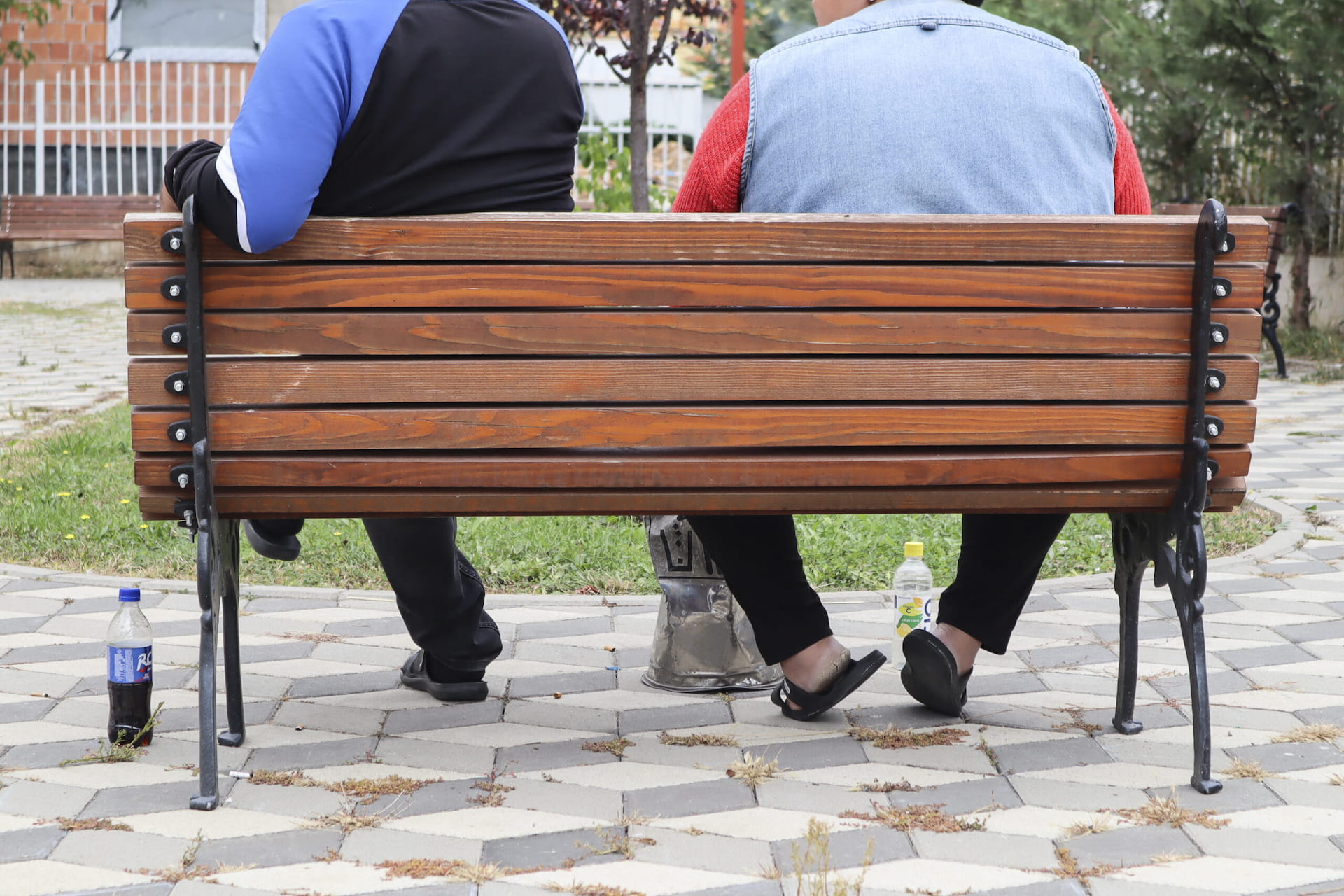
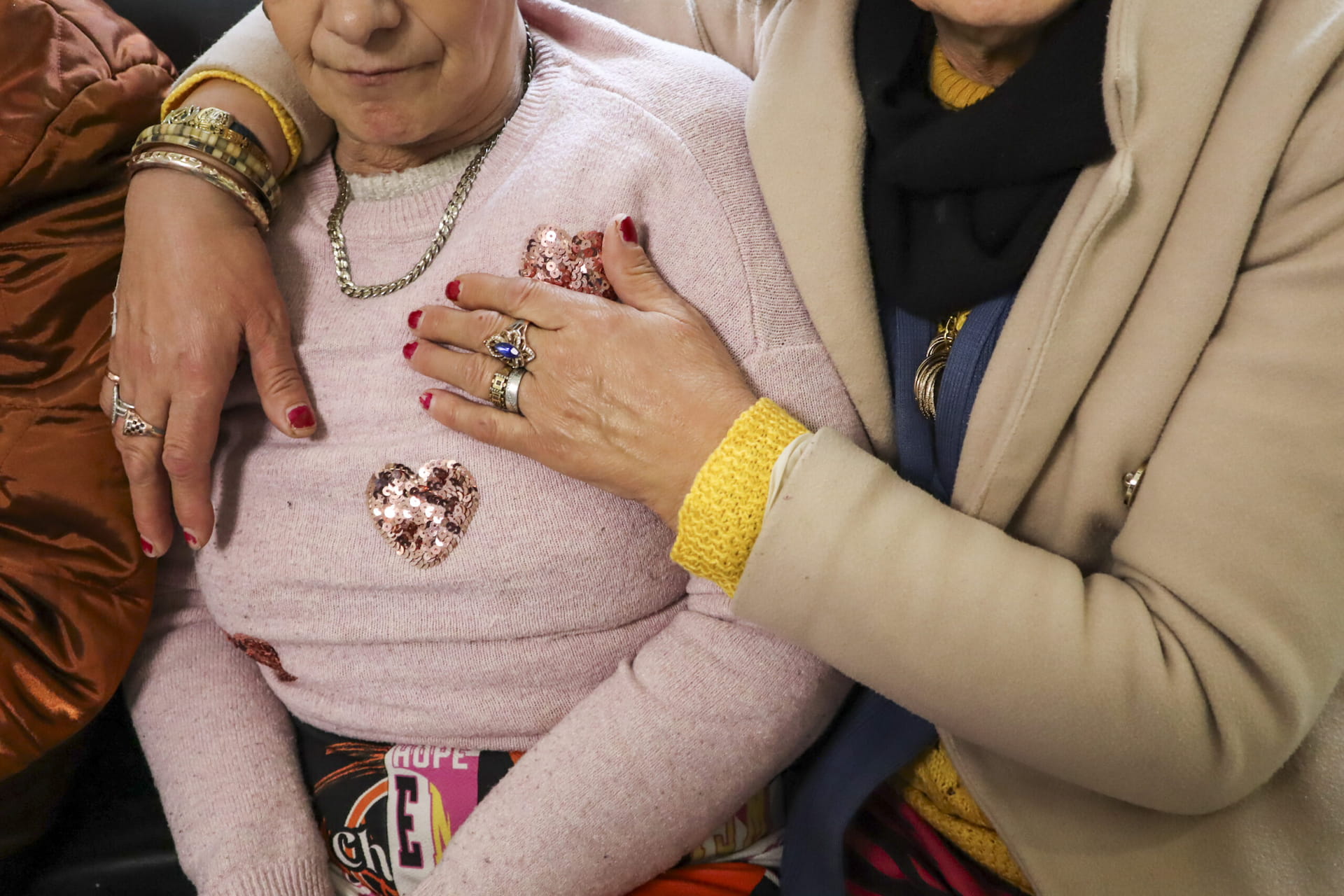
Until recently, the Integrated Rehabilitation Center for Chronic Psychiatric Illnesses was an open facility, offering residents the freedom to come and go as they pleased. But this practice has changed. Photo: Gentiana Ahmeti / K2.0
Intellectual Developmental Disorders and Mental Health Disorders
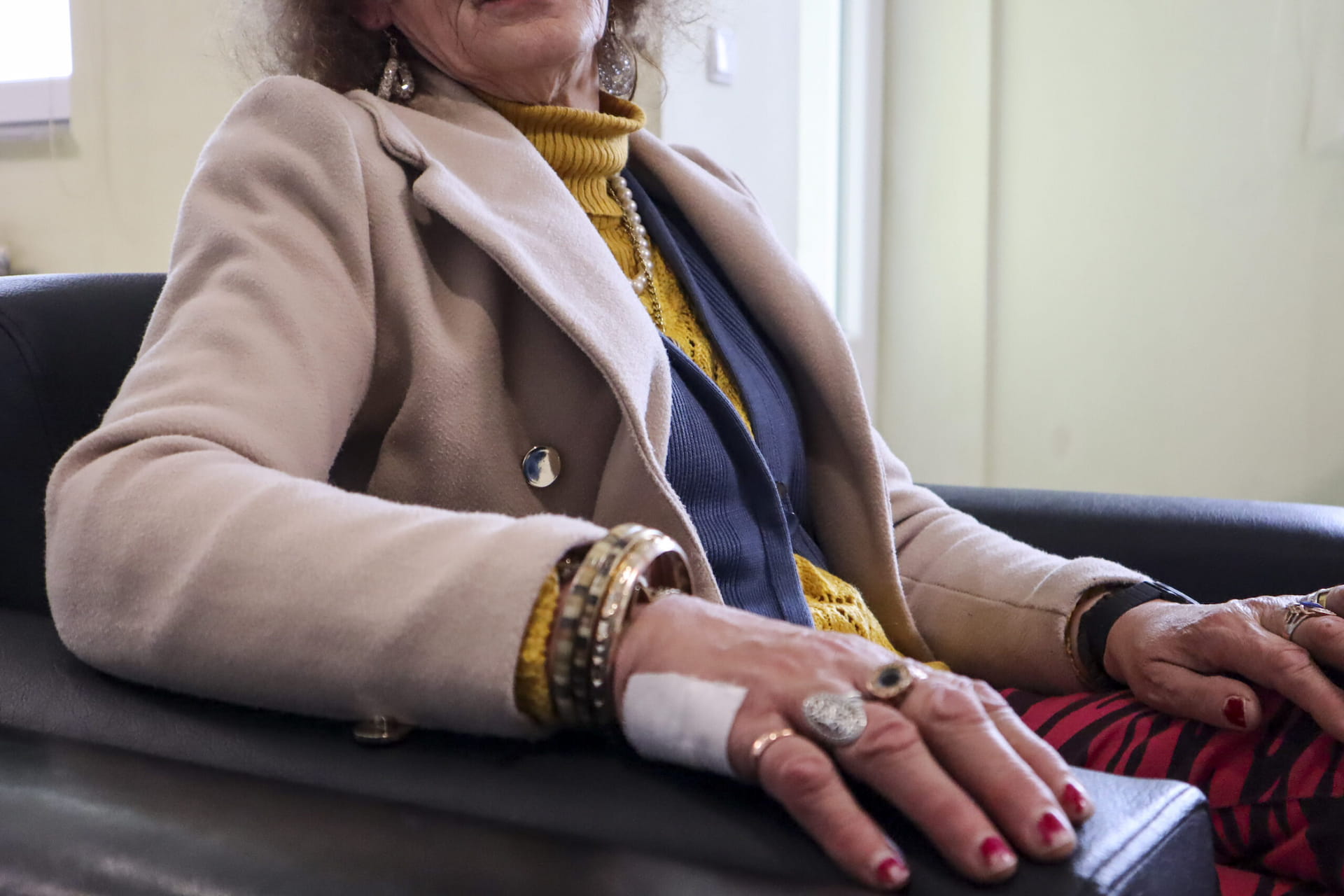
In the absence of family care and a place to live, this center often becomes a home to patients for years. Photo: Gentiana Ahmeti / K2.0
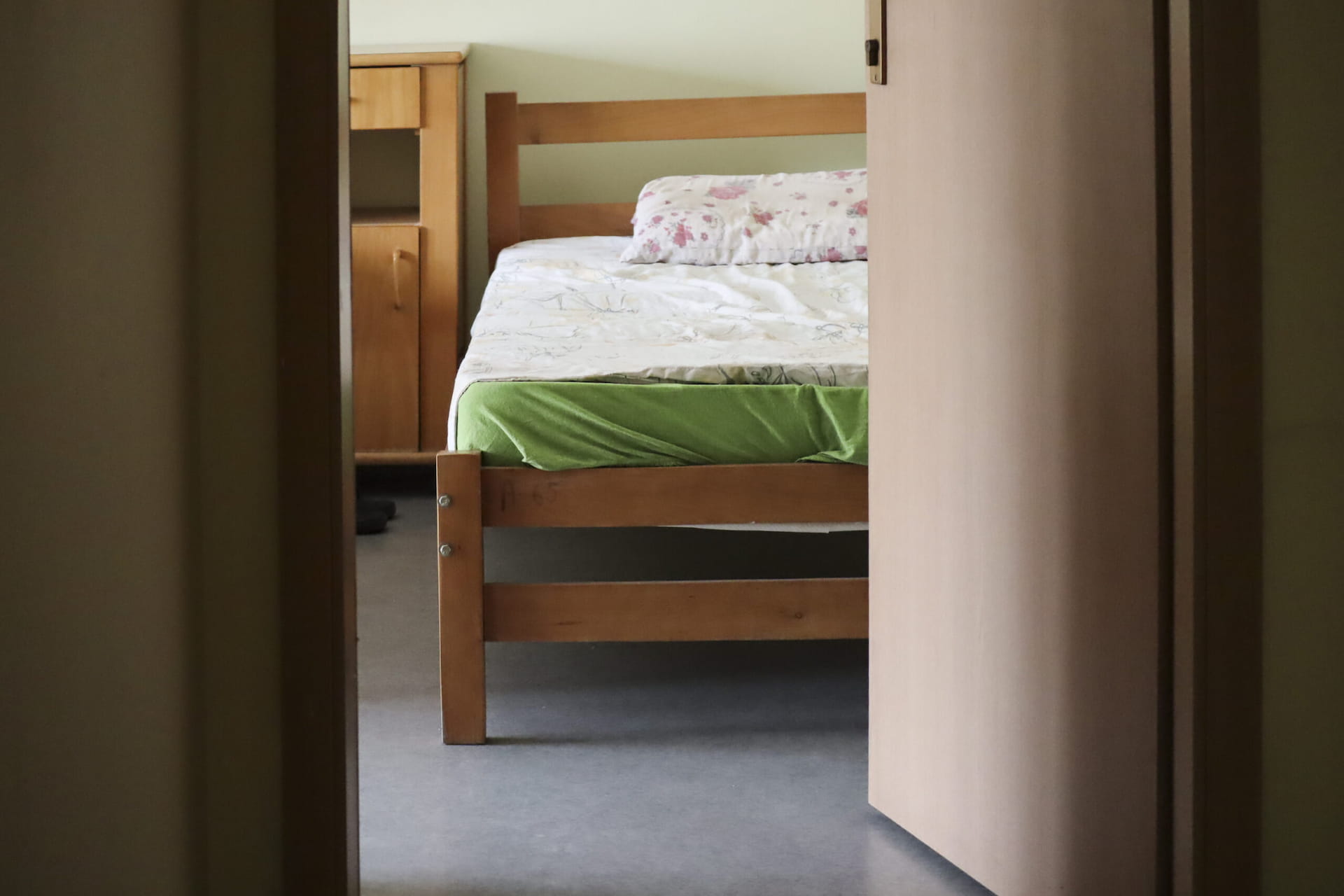
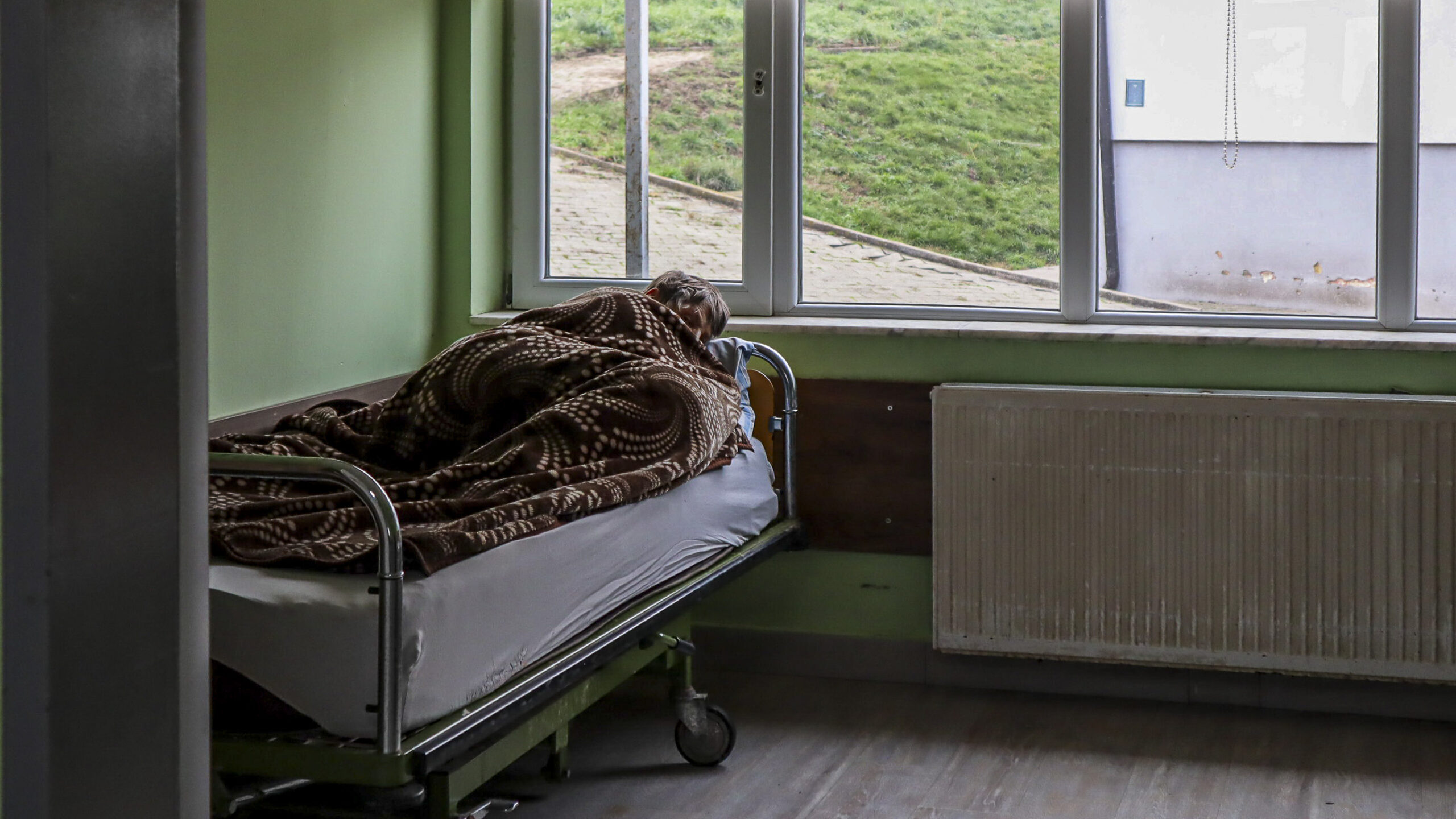
The rooms are completely empty, with only one or two beds, some of which are hospital beds. This gives a clinical feeling rather than one that is homely. Photo: Gentiana Ahmeti / K2.0
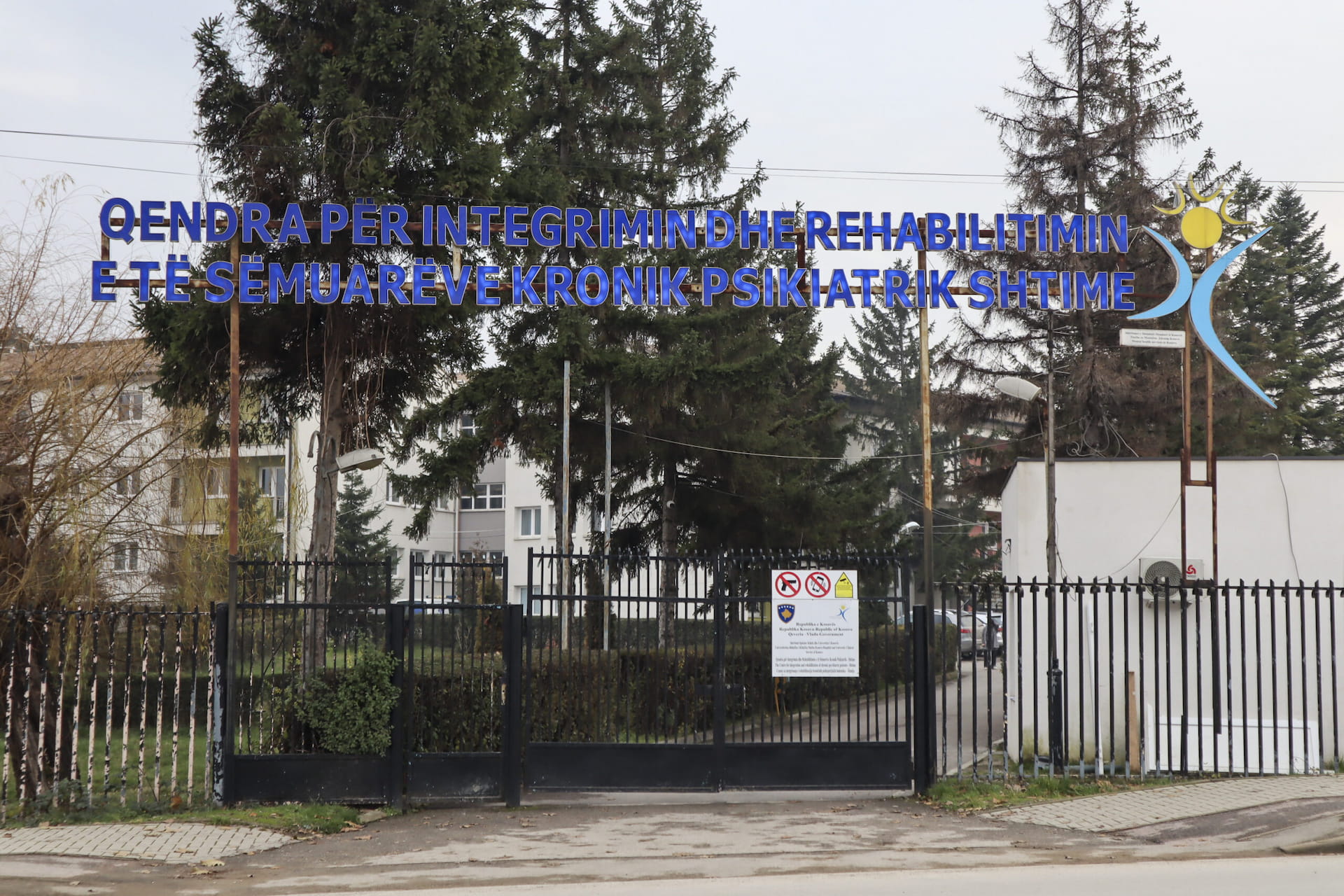
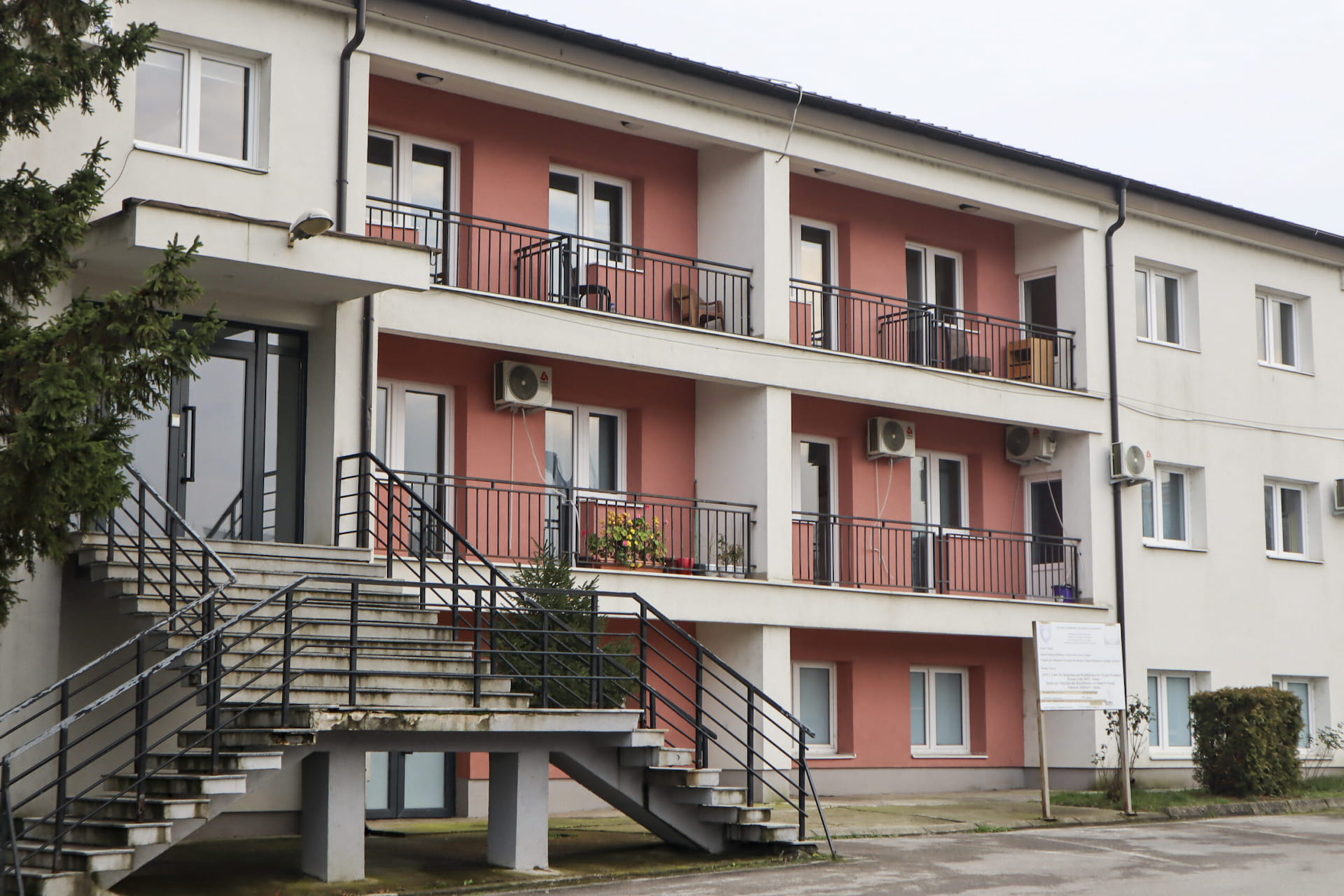
The problem of converting temporary accommodation into long-term or permanent housing is also present at the Integrated Rehabilitation Center for Chronic Psychiatric Illnesses (IRCCHI). Photo: Gentiana Ahmeti / K2.0
Small capacities in the mental health care system
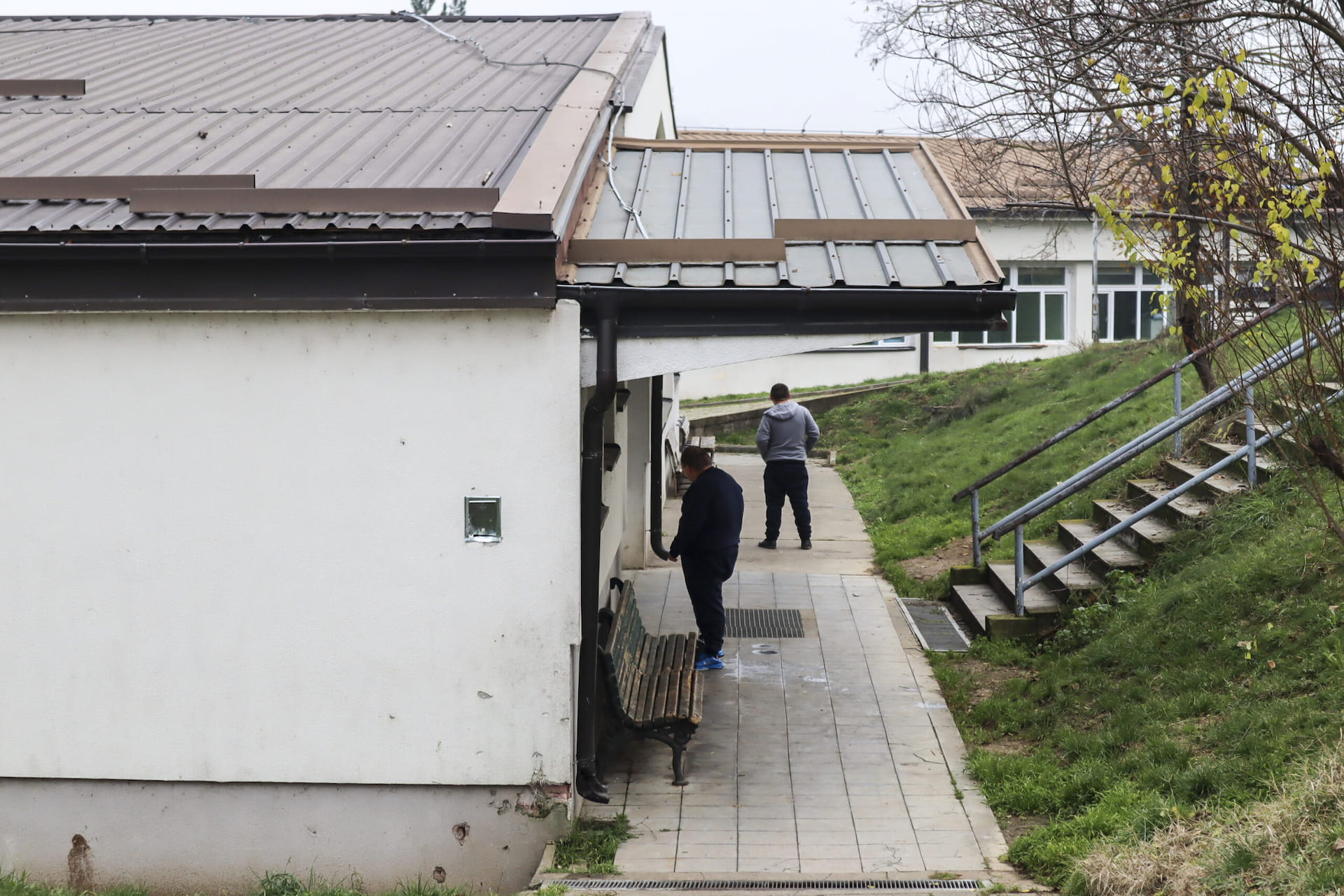
Within Kosovo’s mental health care system, the Special Institute in Shtime remains the only closed institution, where residents are treated in isolation for long periods without the aim of reintegration into the community. Photo: Gentiana Ahmeti / K2.0
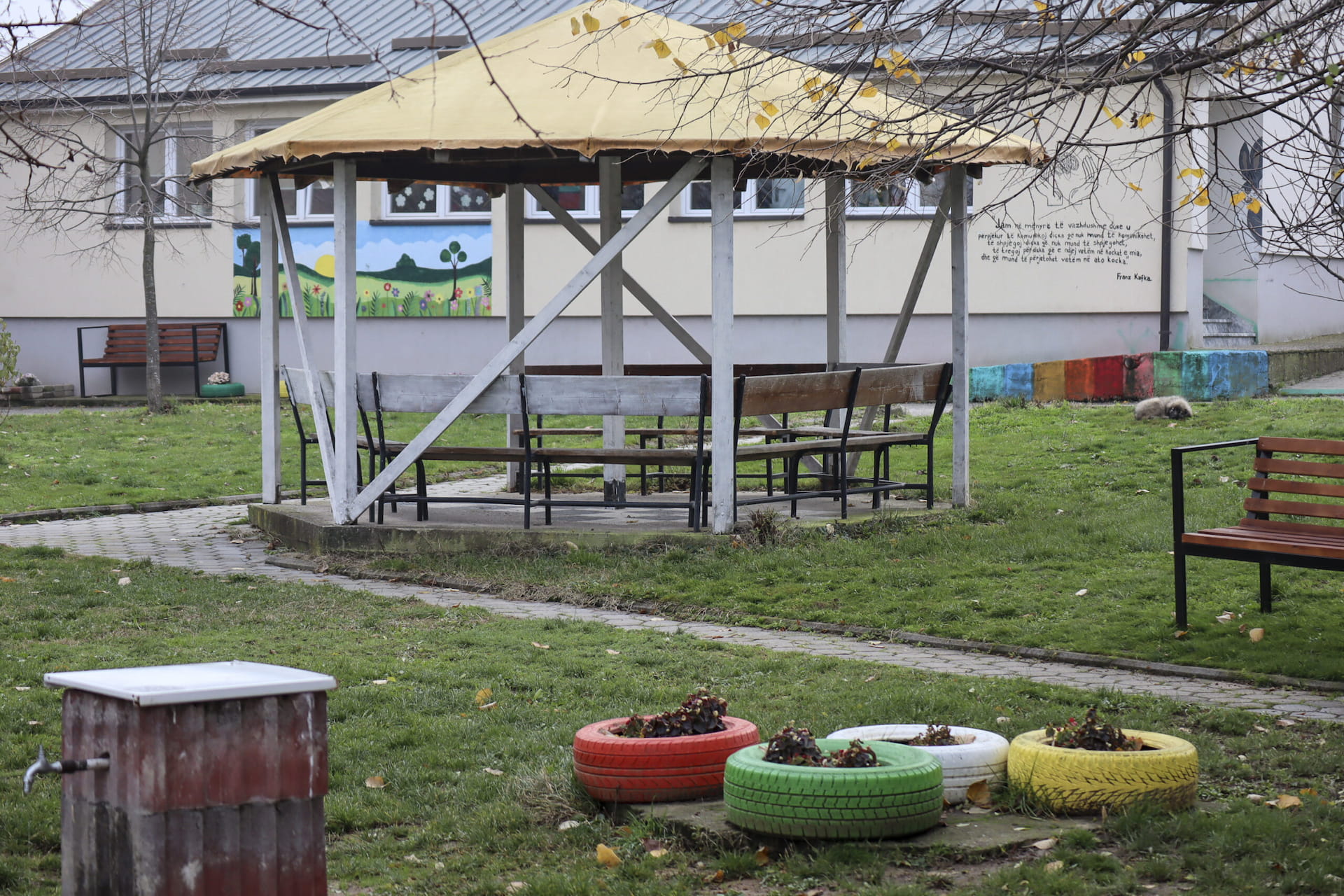
The rules of the Special Institute in Shtime do not permit residents to leave the premises. Photo: Gentiana Ahmeti / K2.0
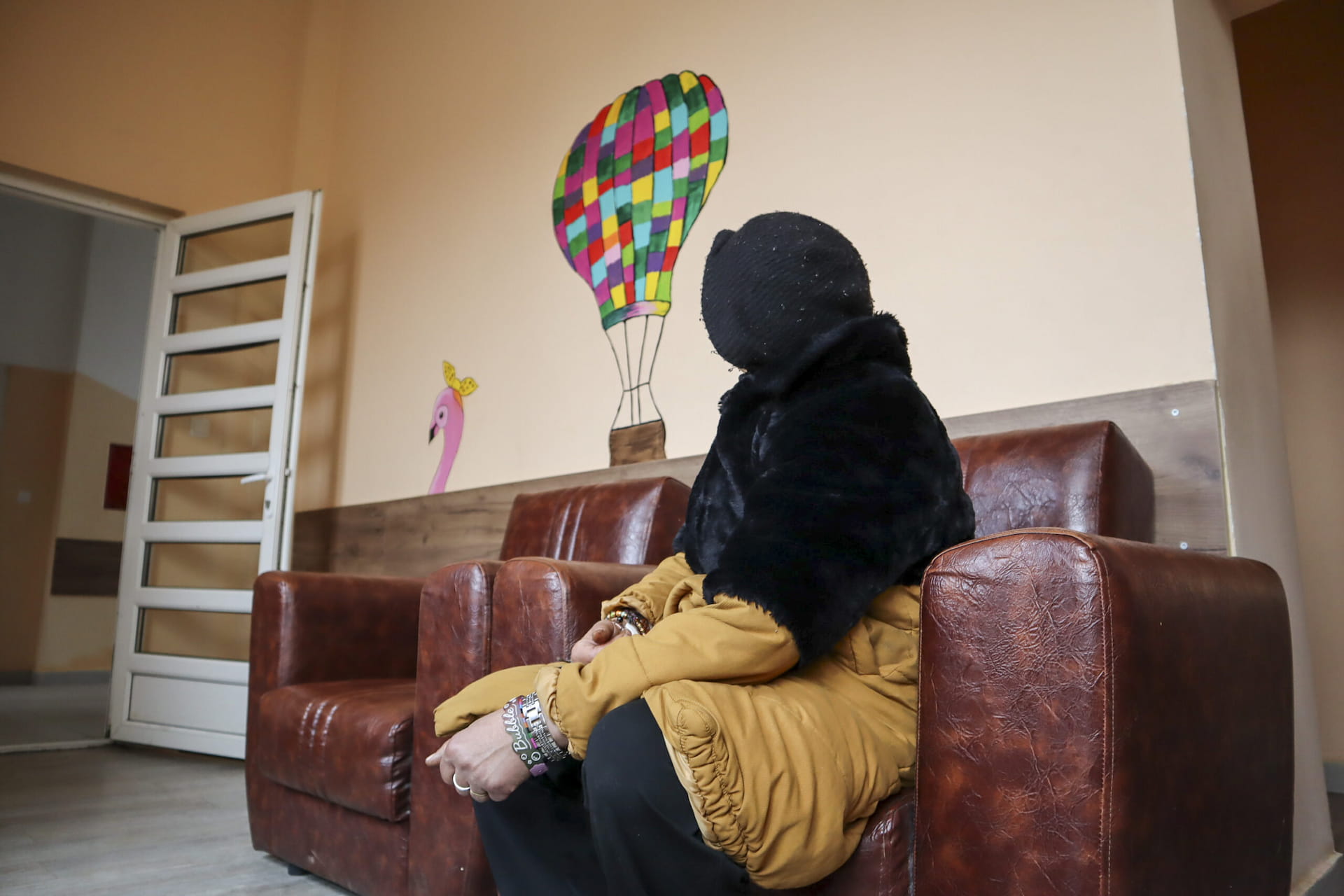
Residents live in an isolated environment, where opportunities for independence, daily activities and community integration remain very limited. Photo: Gentiana Ahmeti / K2.0
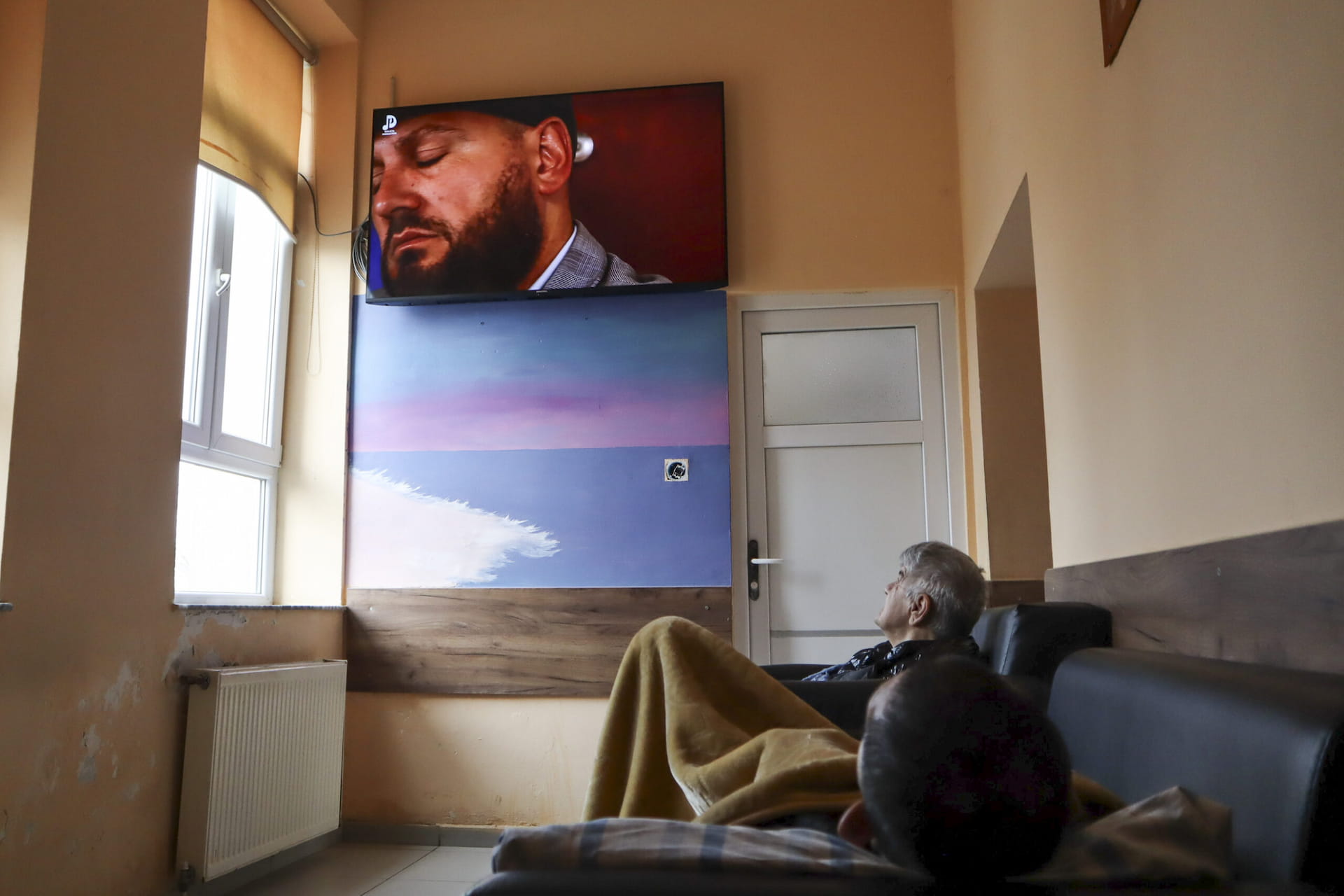
The deinstitutionalization process aimed at a gradual return to the community, but these centers have been transformed into permanent shelters. Photo: Gentiana Ahmeti / K2.0