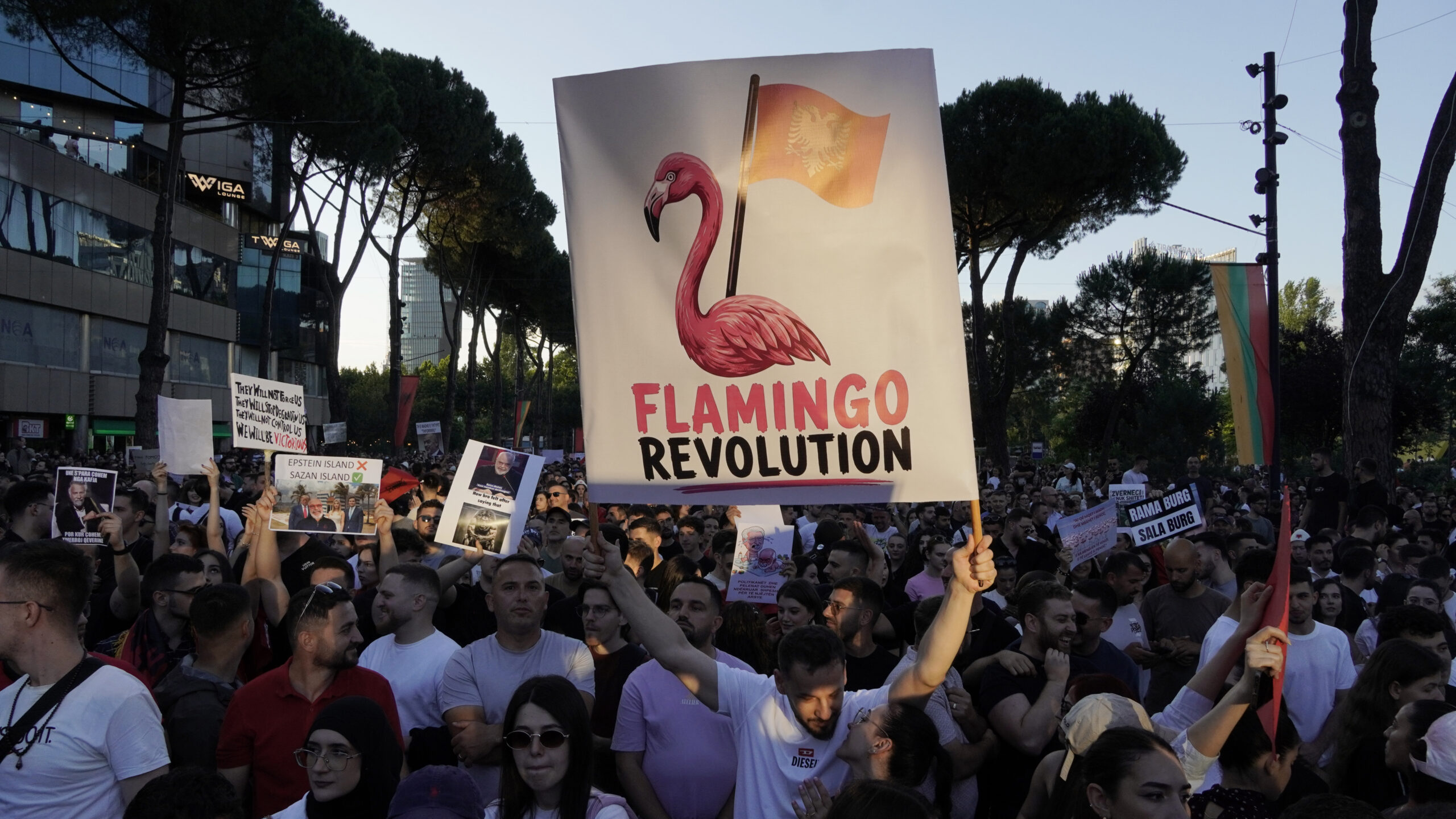
The Government's war on the flamingos
As Albania's protests grew beyond environmental concerns into a broader challenge to the government, Prime Minister Edi Rama shifted between concessions, public attacks and increasingly confrontational policing.
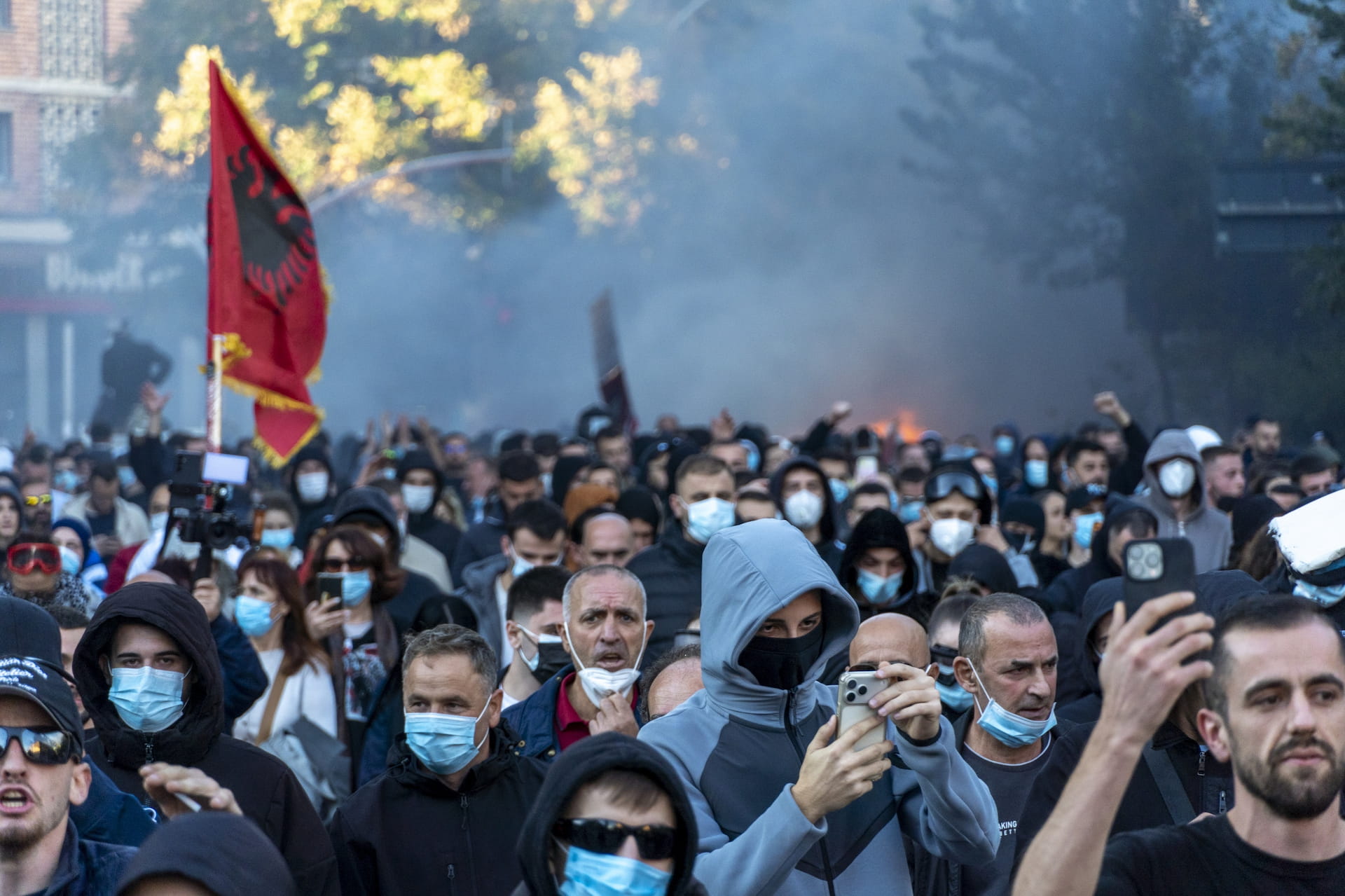
Photo: Atdhe Mulla
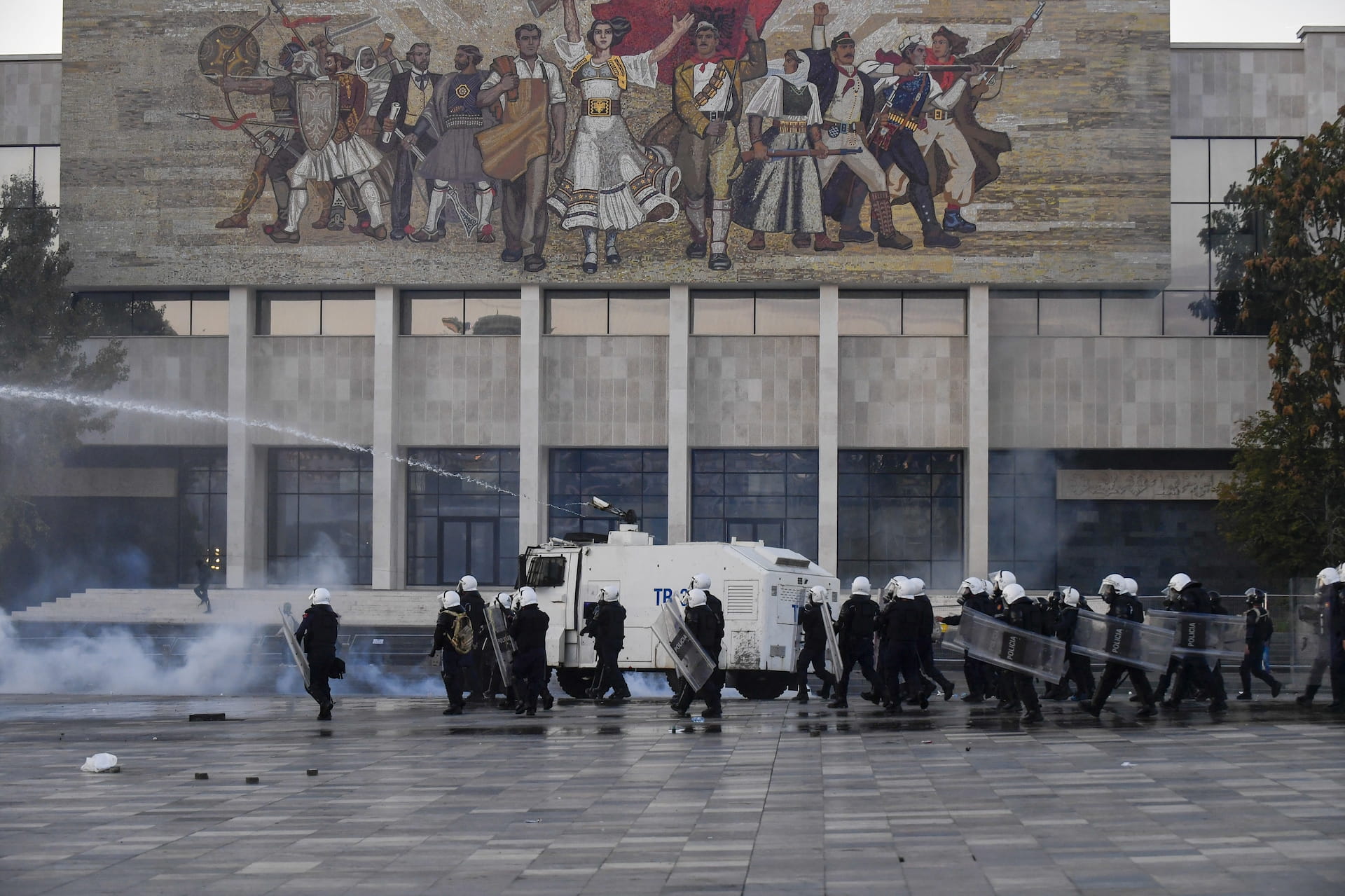
Photo: Atdhe Mulla
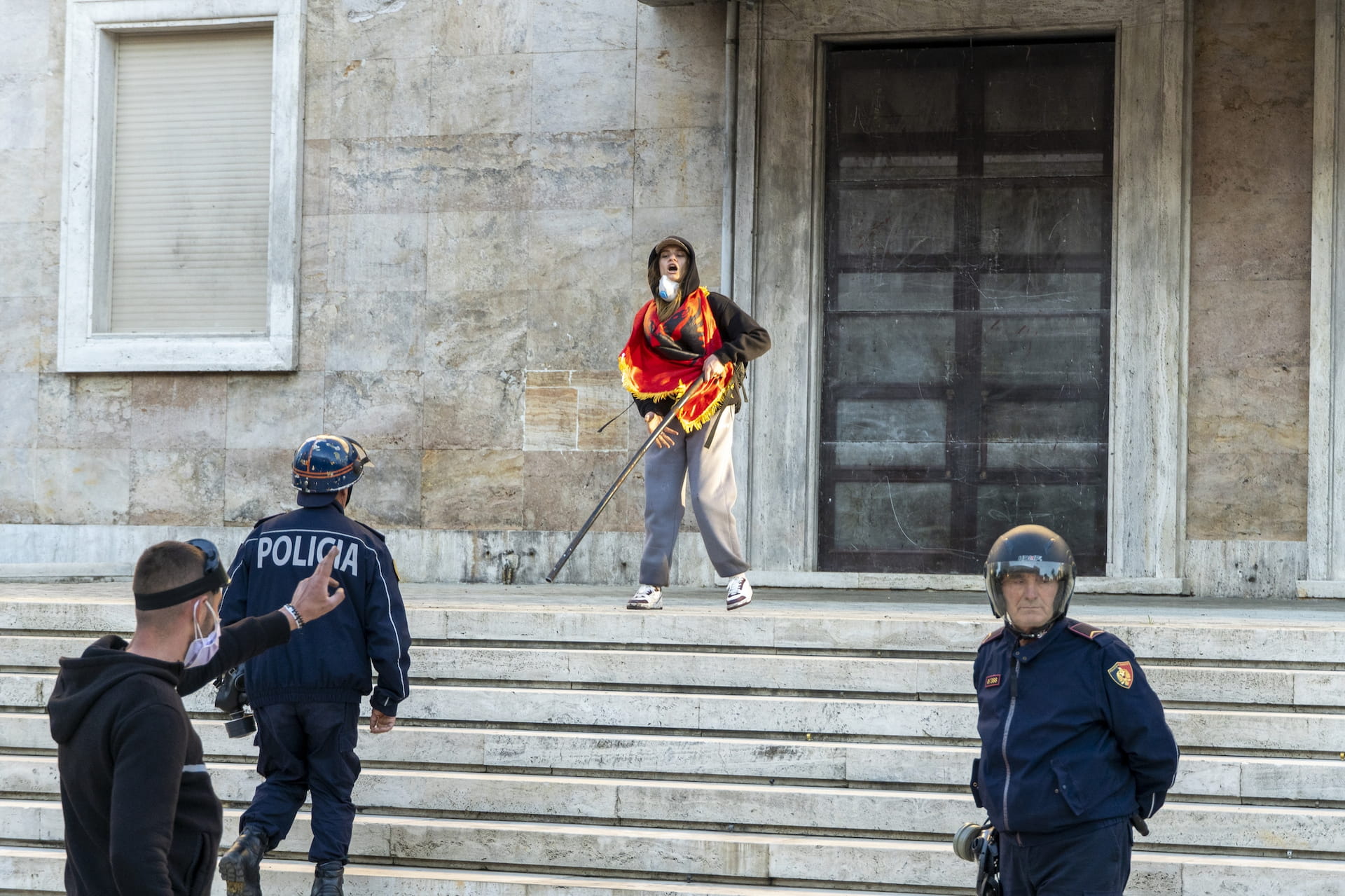
Photo: Atdhe Mulla
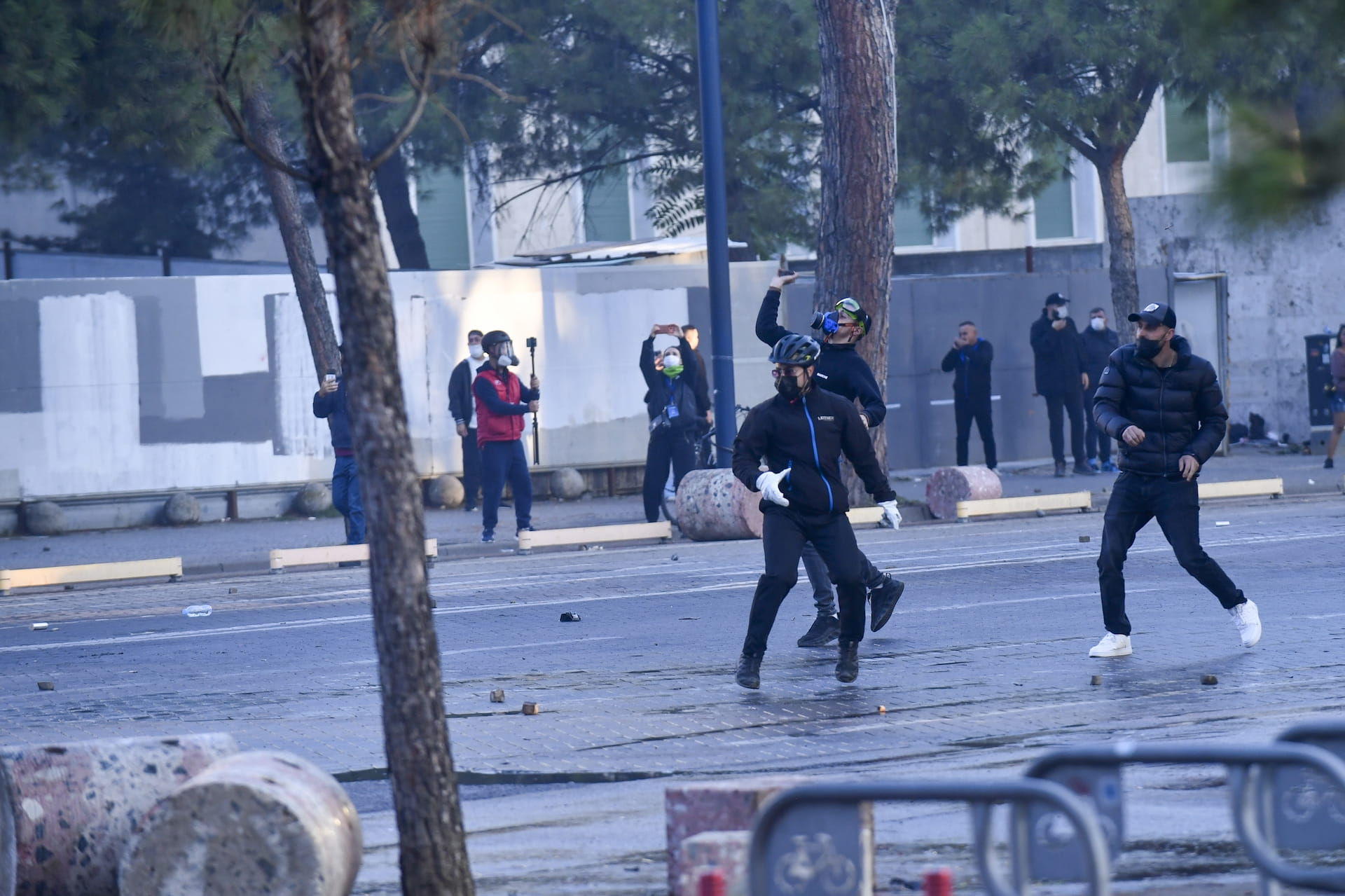
Photo: Atdhe Mulla
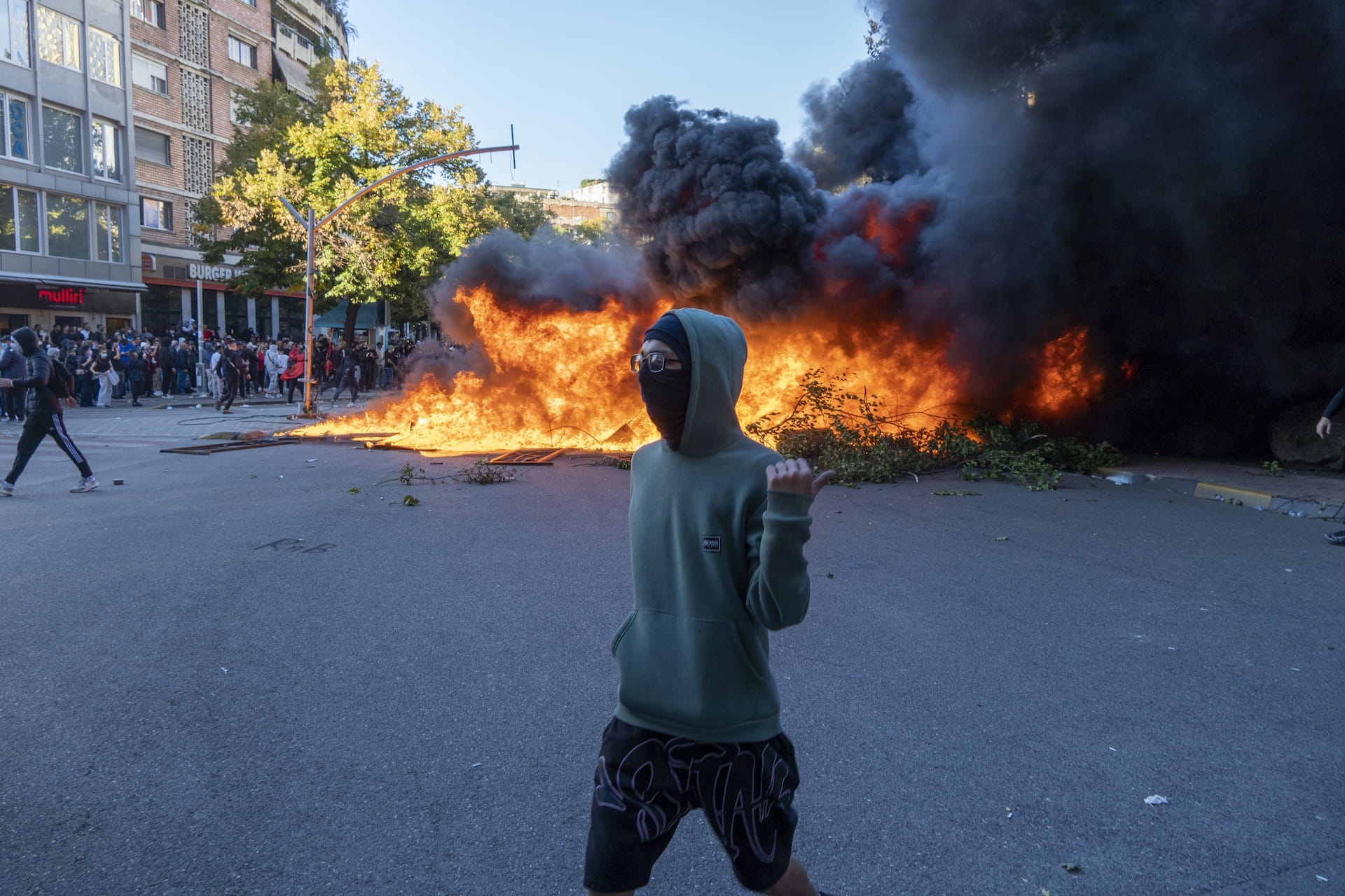
Photo: Atdhe Mulla
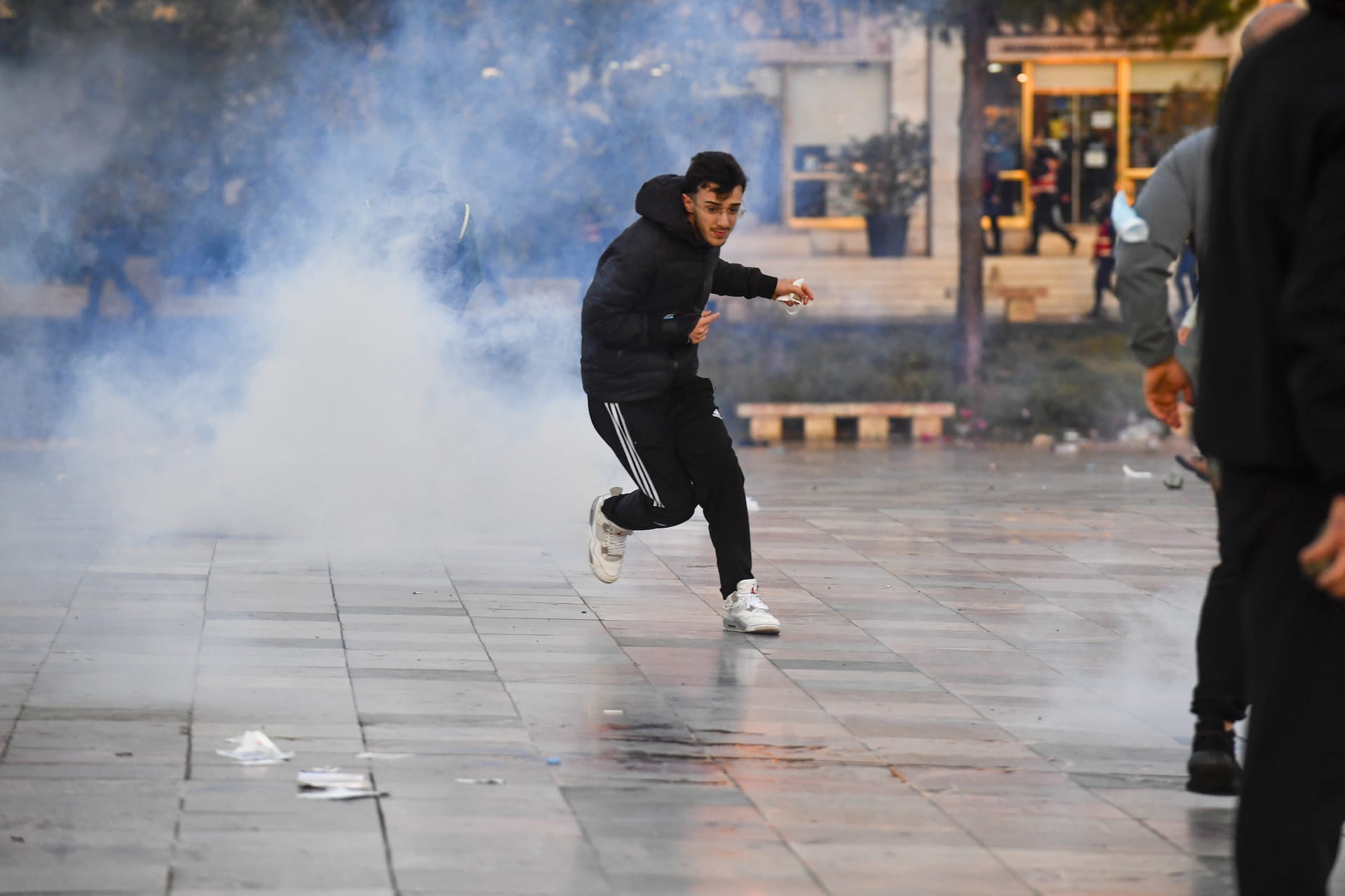
Photo: Atdhe Mulla
A change in Rama’s approach to governing is just as difficult to imagine, given that the system he has built over 13 years in power has been marked by allegations of corruption, ties to criminal organizations and nepotism. Rather than changing course, Rama has repeatedly sought to contain and undermine the protests. To understand how Rama reached this point, it is worth returning to the movement’s first weeks.
Read also:

In-depth
The demolition of the theater as a harbinger of an upcoming dictatorship
Jeton NezirajThe Flamingo movement, however, presented a different challenge. This time, Rama could not rely on his previous response template for two reasons. First, the controversial development project is linked to Kushner, Trump’s son-in-law, making any decision to cancel it politically sensitive, particularly given the Trump administration’s influence in the region and the potential diplomatic consequences. Second, the movement has grown nationwide, drawing in the diaspora and bringing thousands of people into the streets, with demands extending beyond the cancellation of the project to Rama’s resignation.
Between June 1 and 3, Rama’s position was that the project at Zvërnec was a matter of private land development and that environmental protections would be respected. He stated that property disputes were a matter for the courts to decide, distancing the government from questions over land ownership.
However, private ownership does not exempt a development from government oversight.
What's at stake in Zvërnec?
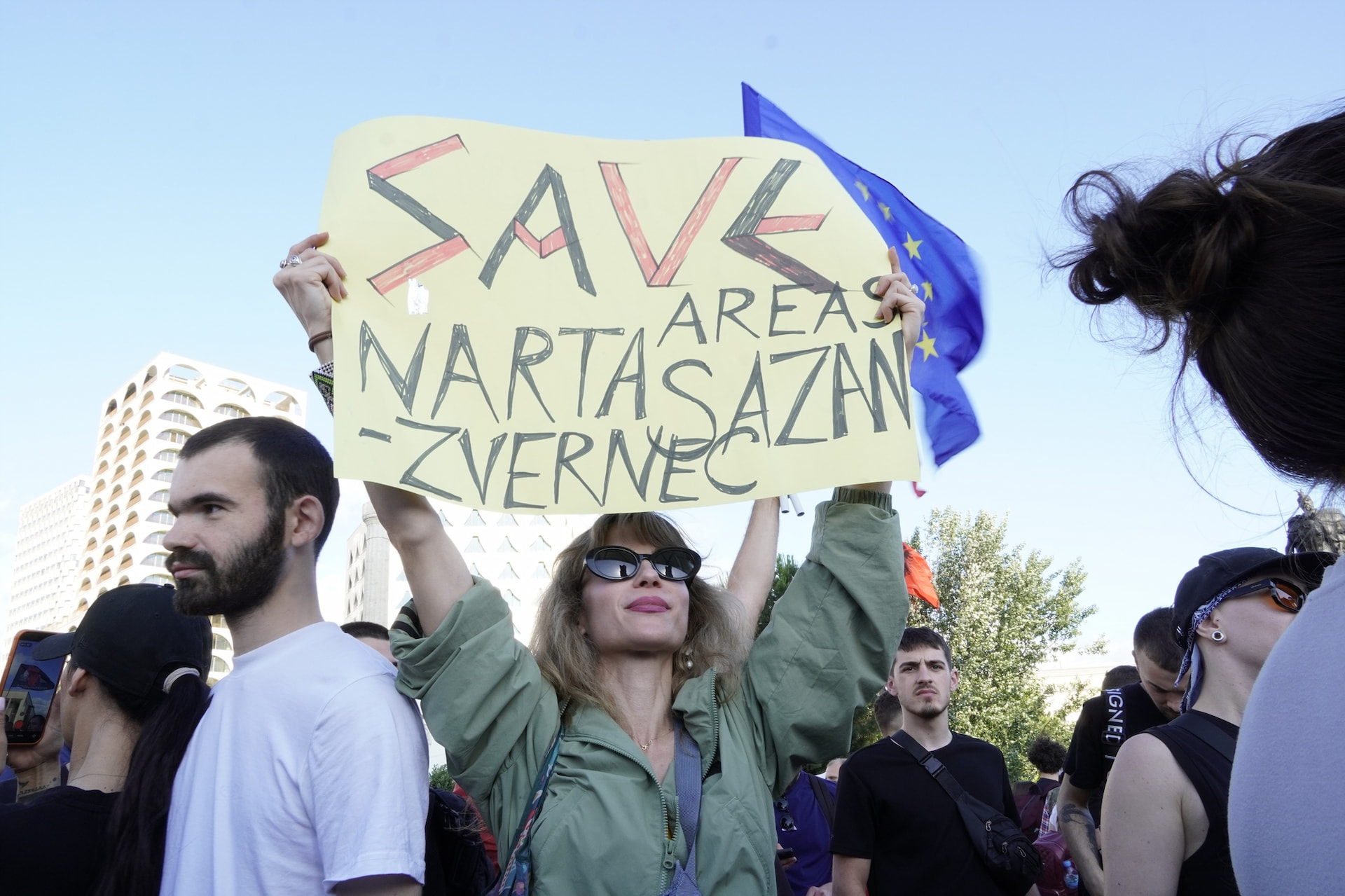
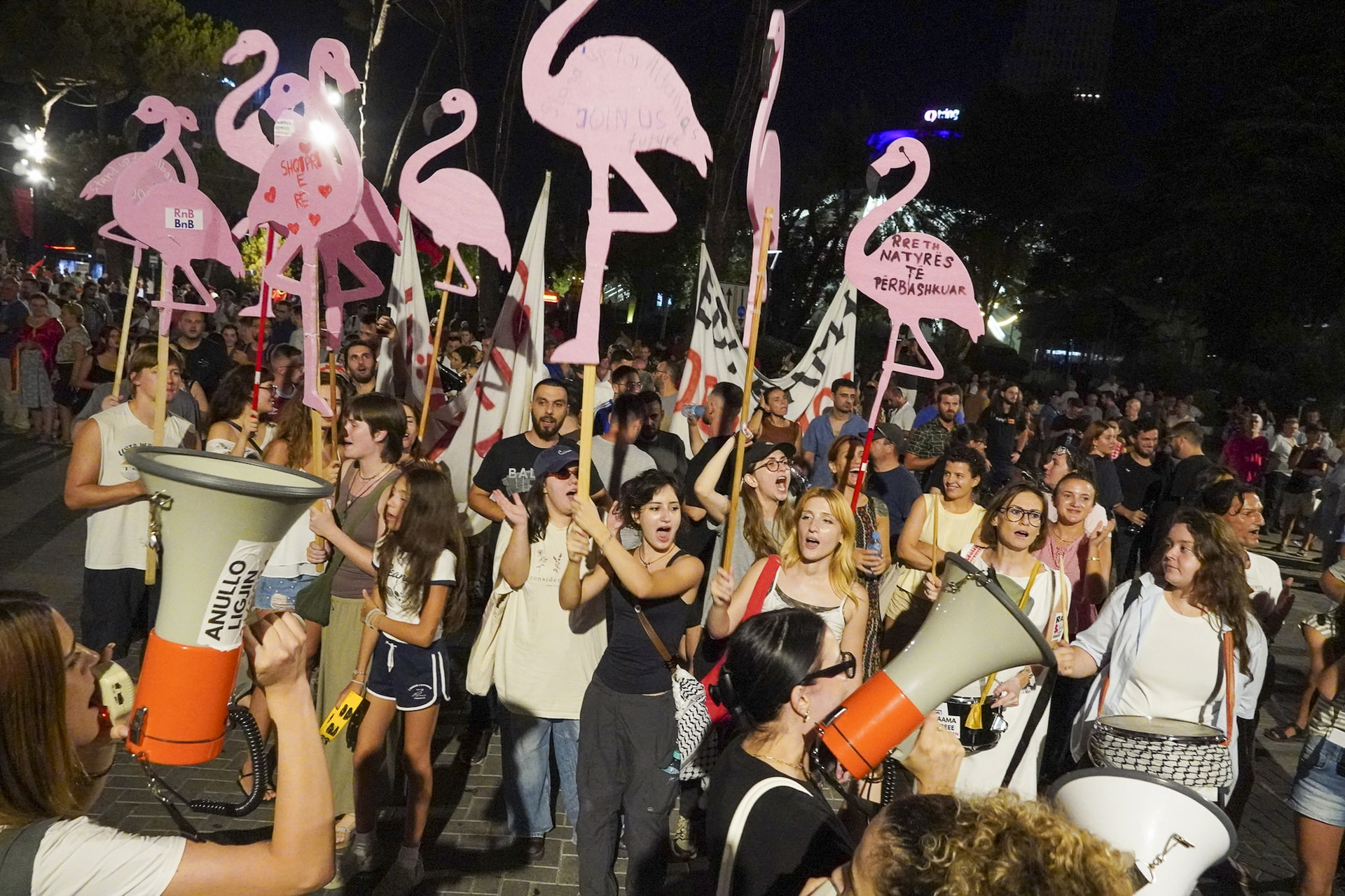
Rama’s strategy was to make the explanation so complicated that no one can follow what he is saying; he closed a conference by telling journalists that what they had seen was not what they had really seen.
Such tactics, whether carried out by party activists or other individuals, contributed to fears that participation in the demonstrations could have personal consequences.
Commentators variously portrayed the movement as chaotic, extremist, communist, anti-development or xenophobic.
Rama's response was to portray those involved in the protests as opposing Albania’s accession to the EU — the very generation whose future stands to benefit from EU membership.
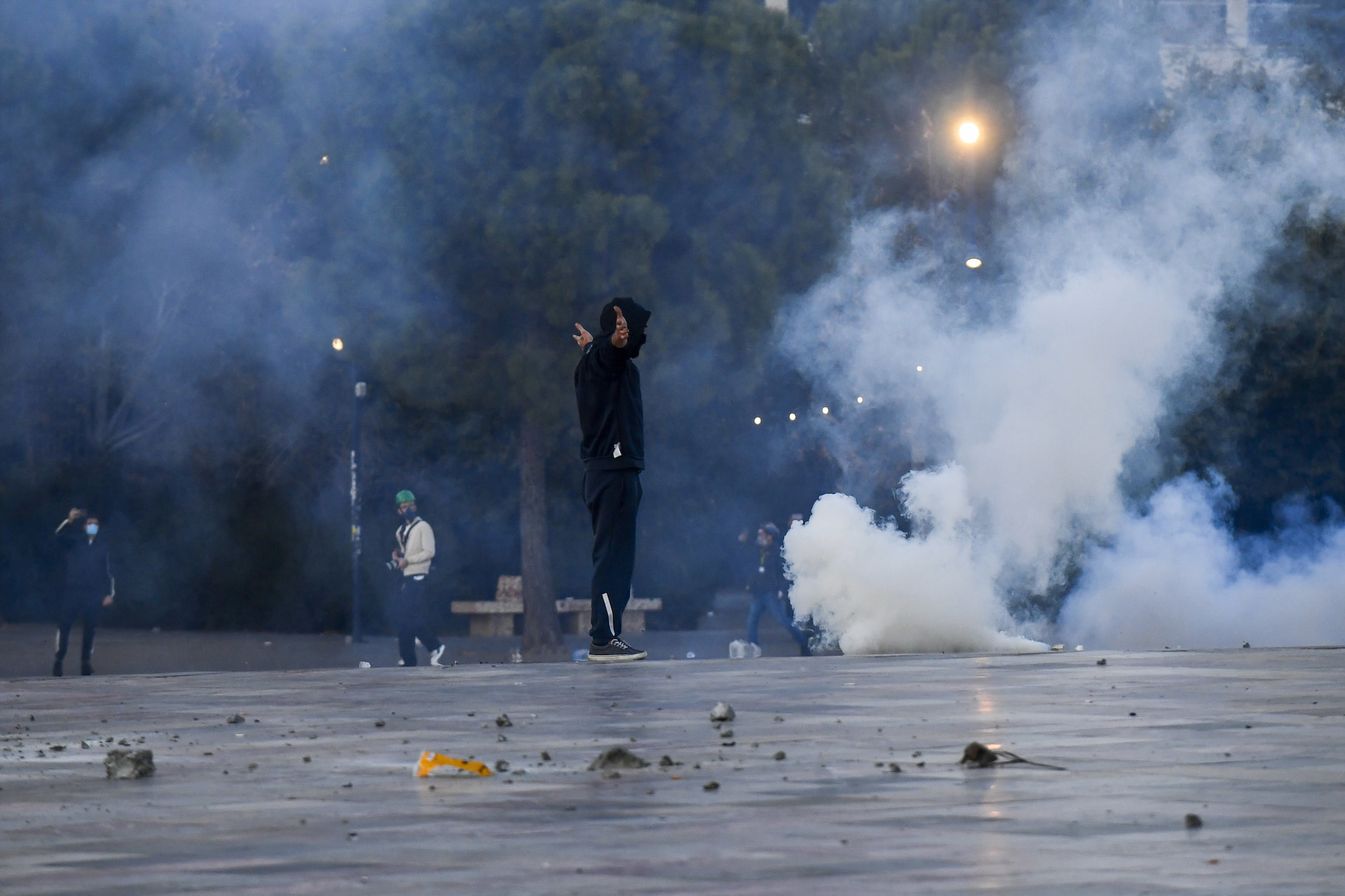
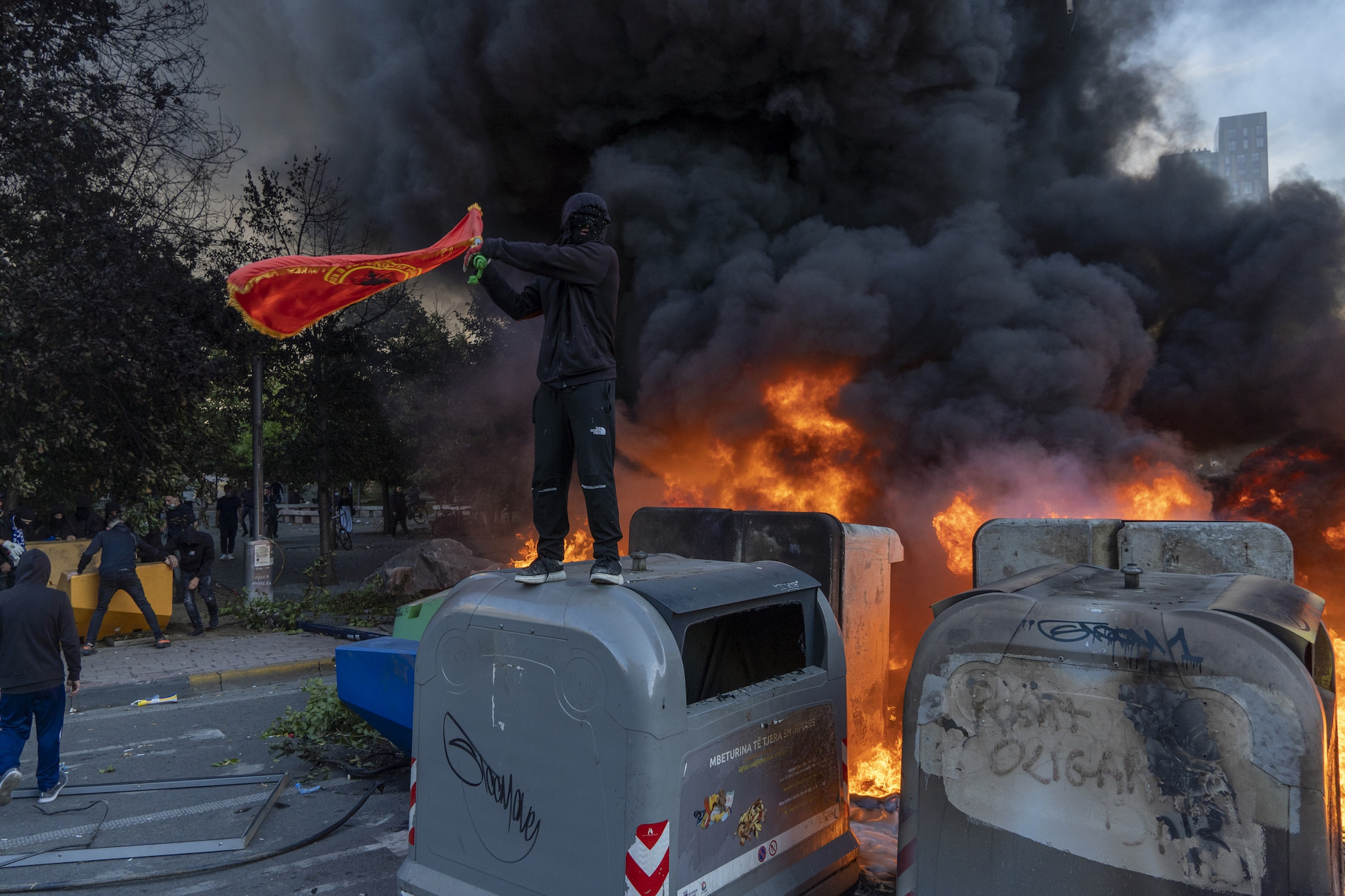
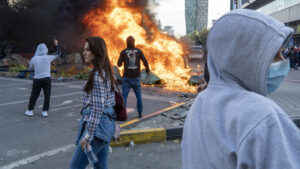
The frustration behind this escalation was evident among some of the younger protesters. On the night of October 13, I exchanged messages online with a student who expressed support for violent actions against government buildings. When I asked him why, he replied: “We spent 130 days speaking and marching in peace, and the government responded by spitting in our face. It’s done a full 180, telling us the next day that we should be thankful that they spat on our face.”
His words reflect a growing sense among protesters that months of peaceful demonstrations have failed to bring meaningful change. Rama has shifted between accommodation, containment and repression, but none of these approaches has succeeded in containing a movement that is increasingly challenging his hold on power. What remains to be seen is how far Rama is willing to go to hold on to it.
Feature image: Atdhe Mulla
Rigels Lenja
Rigels Lenja is a historian and journalist from Albania, based in Munich. He holds a BA and an MSc in Modern European History from the University of Tirana and a PhD in Modern Balkan History from the University of Munich. His research focuses on democracy, communism, social development, German foreign policy and modern religion.