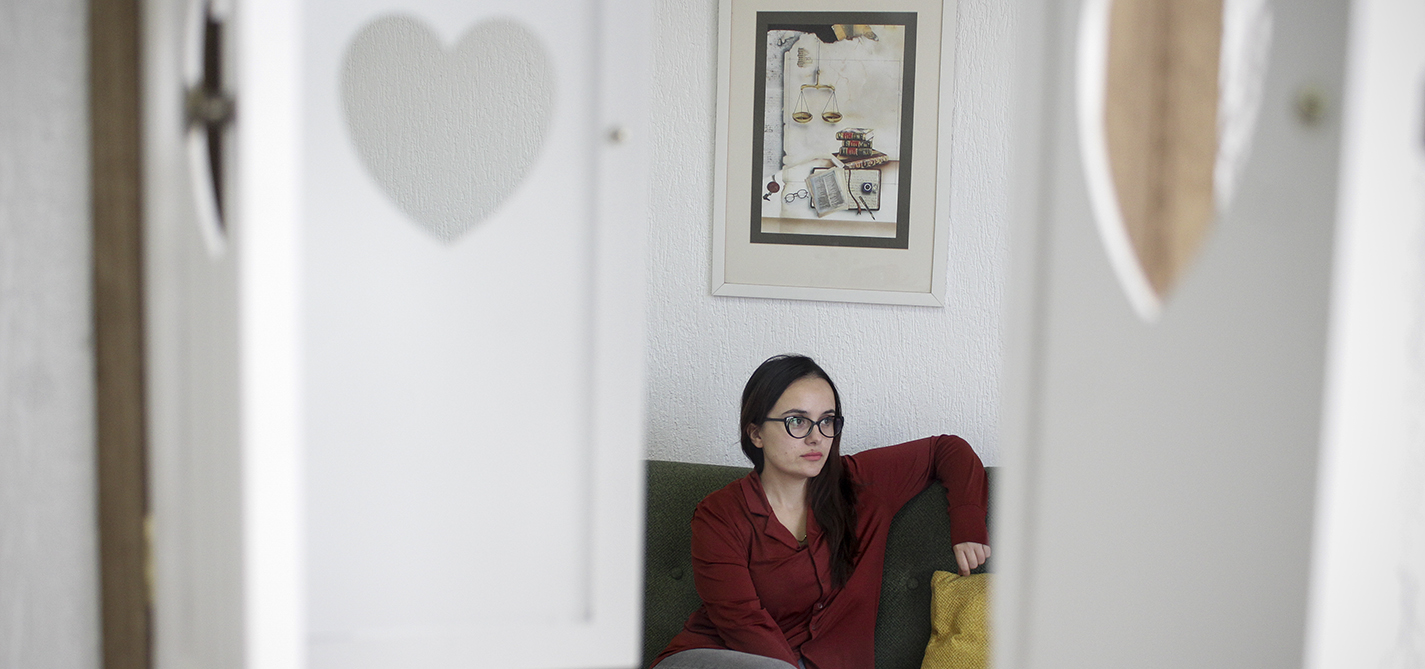
Homeless in their own homes
Women are fighting for their right to property, inside and outside of the house.
“He would say ‘I am the man of this house, you are my servants.’ He used this type of reasoning,"
Marigona says about her ex-father-in-law
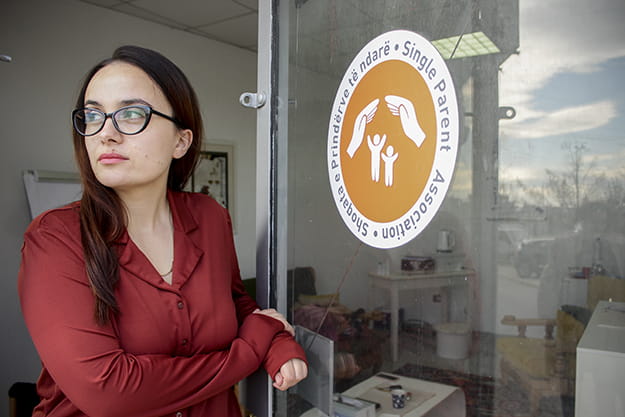
Marigona Buja filed for divorce one year after living with violent in-laws, while the confrontation with her ex-husband and his family continued in court. Photo: Agan Kosumi.
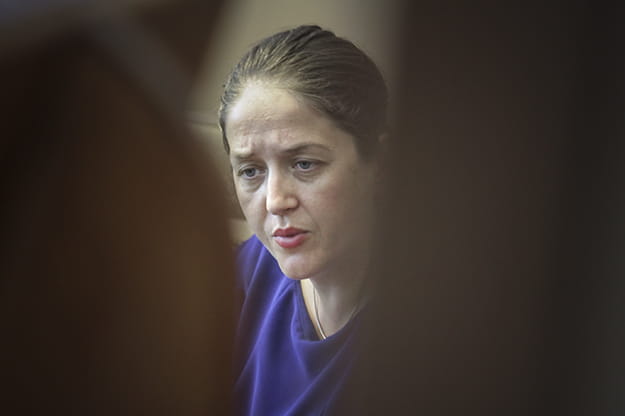
Luljeta Demolli, director of the Kosovo Center for Gender Studies, says that traditional norms and customs engender exclusionary ideas and practices against women and their right to inheritance. Photo: Agan Kosumi
“I left the apartment only with the clothes I was wearing and my son,”
Arjeta
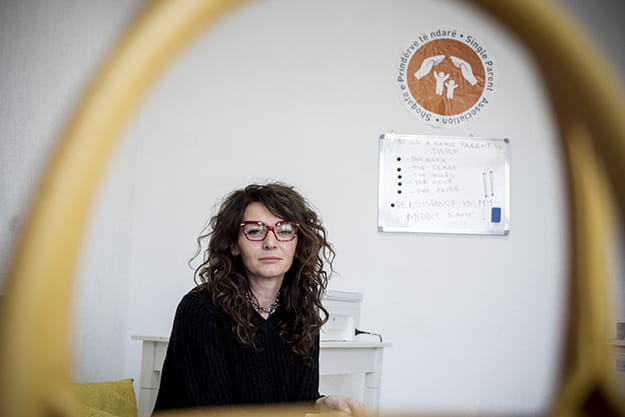
After 10 years of marriage, first her ex-husband then the judicial system denied Arjeta her contributions to the house and apartment where she lived. Photo: Agan Kosumi.
“I went to that village only once after I got married [again], and I passed by the house. My whole body shuddered,”
Fatime“The living room for example has two couches — one of them is where the husband lies down, the chair is where the husband seats guests and the other couch is for children. Women remain on their feet, in the kitchen,"
DemolliOut of 240,000 residential buildings in Kosovo, 7,400 are under the ownership of women.
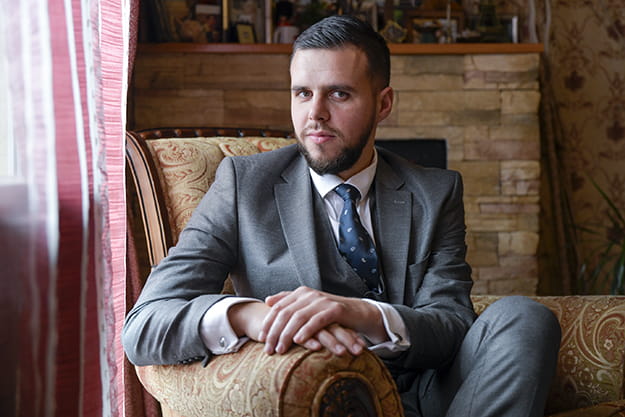
According to lawyer Asdren Bytyqi, justice institutions have not created proper legal mechanisms to guarantee women’s right to property — be it for inheritance or for the recognition of contributions during marriage. Photo: Atdhe Mulla / K2.0.
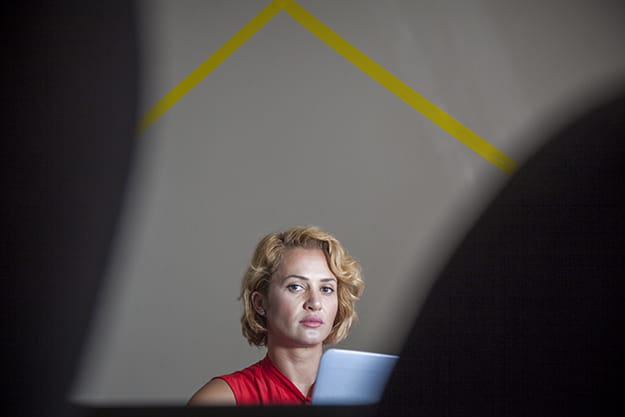
Luljeta Aliu has been challenging the legal system for four years, requesting recognition of her contributions and the right to the property from her marriage as well as proper institutional protection, which remains absent. Photo: Majlinda Hoxha / K2.0.
“I won’t accept leaving, that house is mine — it’s mine because it’s ours, it’s mine because my children were raised there,”
LuljetaWomen's demands for justice often face prejudice or stigmatization from relatives and society.
Halim Kafexholli
Halim Kafexholli finished his bachelor's studies in journalism at the University of Prishtina. He was a beneficiary of the first cycle of the Human Rights Journalism Scholarship, as well as participating in the K2.0 mentoring program. Halimi worked at the magazine Prishtina Insight, part of the BIRN Kosovo organization. He is also a recipient of the Human Rights Journalism Scholarship program (2018 and 2020 cycle). He currently works as a journalist for the publication Nacionale.